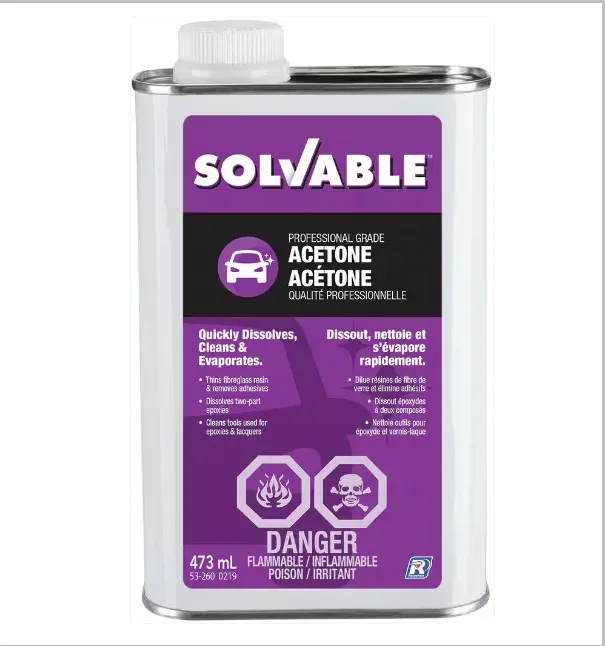
When routine housekeeping detergents and vinegar spray fail to break down stubborn, chemically bonded messes, acetone cleaner serves as one of the most effective solvents in a housekeeper's arsenal. Whether you are dealing with hardened super glue drips on a workbench, dried latex or oil-based paint splatters on porcelain tiles, or sticky tape residue left behind after a home renovation, pure technical-grade acetone cuts through organic compounds in seconds. Understanding how this organic solvent works—and where it should never be applied—is essential for any homeowner or DIY enthusiast aiming to elevate their home maintenance routine without risking surface damage or personal health.
Quick answer: Pure acetone cleaner rapidly dissolves tough non-polar residues like cured adhesives, grease, paint, and silicone sealants on solvent-resistant surfaces like unvarnished metal, glass, and unglazed ceramic tile. Always work in high-ventilation areas, wear nitrile gloves, and test an inconspicuous area first, as acetone will instantly melt standard plastics, synthetic fibers, and wood finishes.
The Solvent Chemistry: How Acetone Solves Heavy-Duty Cleaning Challenges
Acetone, chemically known as propanone ((CH₃)₂CO), is a low-molecular-weight organic compound classified as a ketone. What makes acetone cleaner exceptionally powerful during deep cleaning tasks is its unique miscibility: it dissolves effortlessly in water while simultaneously breaking down non-polar substances like lipids, waxes, resin bonds, and synthetic polymers. Unlike mild alkaline or acidic liquid cleaners that rely on surfactants to surround oil droplets, acetone chemically disrupts the physical polymer chains holding sticky residues and dried coatings onto non-porous surfaces.
Another major operational advantage of acetone cleaner is its extremely high vapor pressure and rapid evaporation rate (boiling point of approximately 132.8°F / 56°C). In practical house cleaning scenarios, this means the solvent dissolves grease or sticky residue almost instantly and flashes off without leaving a film or soap film behind. This residue-free drying process is why professional cleaning services often use technical-grade acetone to degrease bare metal surfaces prior to applying fresh paint, adhesives, or protective sealant layers.
However, strength comes with high chemical reactivity. Because acetone rapidly breaks down synthetic polymers, applying it to acrylic bathtubs, vinyl laminate flooring, polyurethane-coated hardwoods, or polycarbonate light fixtures will permanently dissolve or fog the plastic surface. Understanding which materials are chemical-safe and which will melt upon contact is the foundation of using acetone safely around the home.
Material Compatibility Guide for Household Surfaces
Before applying any solvent-based product during routine cleaning tips or restoration work, consult the following surface matrix to prevent expensive property damage during your deep cleaning projects:
| Surface Material | Acetone Safety Status | Recommended Application Method | Risk Factors & Warnings |
|---|---|---|---|
| Glass & Tempered Glass | Safe | Microfiber cloth (300+ GSM) wipe down | Avoid touching rubber seals or vinyl window frames. |
| Glazed Ceramic & Porcelain Tile | Safe | Dampened cotton swab or cloth micro-dab | Ensure grout sealers are dry; test colored grouts first. |
| Stainless Steel, Copper, Brass | Safe | Direct application via saturated cloth | Removes protective wax or oil coatings; wipe dry quickly. |
| Finished Hardwood & Veneer | Unsafe | Do Not Use | Instantly strips polyurethane, lacquer, and varnish finishes. |
| Plastics (ABS, Acrylic, PVC, Vinyl) | Unsafe | Do Not Use | Causes surface melting, severe hazing, cracking, or dissolution. |
| Natural Stone (Granite, Marble) | Use with Caution | Spot-clean only with rapid water rinse | Can strip impregnated stone sealers; do not let dwell. |
Step-by-Step Guide to Removing Stubborn Stains and Residue
Successfully removing tough spots without spreading adhesive residue across surrounding areas requires precision technique. Whether you are lifting hardened carpet tape adhesive from ceramic floor tiles, removing dried paint overspray from glass window panes, or degreasing automotive tools during weekend workshop maintenance, following a disciplined mechanical process ensures high efficiency and clean results every time.
Cleaner's tip: Never pour pure acetone cleaner directly onto a dirty surface. Always apply a small amount (5–10 mL) onto a dense lint-free cotton pad or high-density 350 GSM microfiber cloth first. Direct pouring increases liquid flow into hidden plastic trim, grout lines, or underlayments, causing unintended damage and creating excessive flammable vapor buildup.
1. Target Stain Dissolution Technique
To lift dense adhesive layers or dried paint specks, begin by thoroughly cleaning the immediate area with a basic water-dampened cloth to remove surface grit that could scratch the finish. Next, moisten your applicator with technical acetone. Lightly press the soaked cloth directly onto the targeted residue for a contact dwell time of 10 to 15 seconds. This short contact window allows the solvent to penetrate the cross-linked adhesive matrix without drying out completely.
Once the adhesive softens into a gel-like consistency, gently wipe inward toward the center of the spot. Using outward strokes will smear liquefied adhesive over clean areas, forcing you to use more solvent and cloth passes. For thick glue deposits, use a plastic putty knife or a nylon scraper dipped in water to gently peel up softened layers without gouging underlying tile or glass.
2. Neutralizing and Finishing the Surface
Because acetone evaporates rapidly, it can leave behind a faint powdery film comprised of dissolved organic solids if not thoroughly wiped away. Immediately follow your solvent application with a clean, dry microfiber cloth. To complete the house cleaning process, wipe the cleaned area with a mild warm water and pH-neutral soap solution or one of your preferred eco-friendly cleaners. This final wipe neutralizes any remaining trace solvent and restores a streak-free shine to glass and polished metal surfaces.
Safety Practices, Storage, and Chemical Handling Protocols
While acetone is widely used in residential and commercial settings, it is classified as a highly flammable liquid (Class 1B) with a flashpoint around -4°F (-20°C). The vapor is heavier than air, meaning invisible fumes can travel along floors, low countertops, or into basement corners where pilot lights, electrical outlets, or static sparks can ignite them. Maintaining proper safety protocols is non-negotiable for safe home maintenance.
Personal Protective Equipment (PPE) Essentials
Standard household rubber gloves made from latex or natural rubber offer poor resistance to acetone and will degrade or permeate quickly upon contact. When working with pure acetone cleaner, equip yourself with chemical-resistant nitrile gloves (minimum 4–6 mil thickness) or butyl rubber gloves. Additionally, wear splash-proof safety goggles to protect your eyes from accidental splashes during pouring or scrub work.
Work exclusively in spaces with active airflow. Open adjacent windows, turn on mechanical exhaust fans, or set up a portable fan blowing air away from your face toward an exterior doorway. If you experience lightheadedness, headaches, or eye irritation, immediately cap the solvent container, step into fresh air, and allow the room to ventilate thoroughly before resuming work.
Proper Storage and Responsible Waste Disposal
- Air-Tight Metal or HDPE Storage: Store acetone only in its original metal container or heavy-duty high-density polyethylene (HDPE) cans equipped with tight vapor caps. Never transfer acetone into standard PET plastic spray bottles or disposable drink containers.
- Cool, Flame-Free Environment: Keep solvent containers locked in a cool, well-ventilated storage cabinet far away from water heaters, furnace pilot lights, direct sunlight, and space heaters.
- Rag Safety Protocols: Saturated rags and cotton pads should never be tossed immediately into closed indoor trash cans where flammable vapors can concentrate. Lay dirty cloths flat outdoors in a safe, well-ventilated area until all solvent has fully evaporated before discarding them according to local hazardous household waste guidelines.
Acetone vs. Alternative Household Solvents: Making the Right Choice
Selecting the appropriate solvent during deep cleaning or spot treatment saves time and protects home finishes. While acetone cleaner excels at heavy dissolved-solvent tasks, lighter household jobs might be better served by milder alternatives like isopropyl alcohol (IPA), mineral spirits, or citrus-based d-Limonene cleaners.
High-purity isopropyl alcohol (70%–99%) is much safer for delicate electronics, clear plastics, and finished surfaces because its chemical solvency is less aggressive than acetone. Mineral spirits, on the other hand, evaporate far slower than acetone, making them superior for softening thick oil-based paints over large surface areas without drying out mid-scrub. eco-friendly cleaners containing natural citrus oils provide a safer, pleasant-smelling alternative for removing light sticker residue on plastic toys or food containers where harsh synthetic chemicals are unwanted.
For demanding jobs—such as prepping raw metal before welding or painting, dissolving hardened cyanoacrylate (super glue) off granite countertops, or cleaning glass overspray—acetone cleaner remains unmatched in speed, power, and residue-free efficiency.
If you are tackling a comprehensive property overhaul, preparing a home for sale, or dealing with extensive post-renovation cleanup, combining high-grade acetone spot treatment with professional cleaning services ensures every tile, fixture, and glass pane receives expert care without risk of chemical damage.
Frequently Asked Questions
Can I use nail polish remover as a substitute for pure acetone cleaner?
While standard nail polish remover contains acetone, it frequently includes added water, synthetic fragrances, lanolin, or conditioners. These added oils leave greasy films on glass or tile, preventing paints and adhesives from bonding properly during home maintenance projects. For deep cleaning and prep work, always choose 100% pure technical-grade acetone.
Will acetone damage granite or quartz kitchen countertops?
Acetone does not react chemically with natural quartz or granite stone, but it will strip away protective chemical sealers applied to stone counters. Furthermore, engineered quartz counters contain synthetic resin binders that can suffer surface hazing or discoloration if acetone dwells on them. Always test a hidden spot and wipe clean instantly with water.
How do I safely remove super glue from my skin using acetone?
Soak a cotton ball with acetone cleaner and press it against the bonded skin for 30–60 seconds to break down the adhesive bond. Gently roll or wiggle the skin apart rather than pulling forcefully to prevent tearing skin tissue. Immediately wash hands thoroughly with warm water and soap, followed by a moisturizing hand cream to restore natural skin oils.
Is acetone safe to pour down the kitchen or bathroom drain?
No, you should never pour acetone or solvent-contaminated liquids down household drains or municipal sewers. Acetone can soften synthetic PVC drainage pipes, damage plastic joint gaskets, and create hazardous, explosive gas pockets inside home plumbing vents. Allow small amounts to evaporate safely outdoors or take liquid waste to a local hazardous disposal facility.