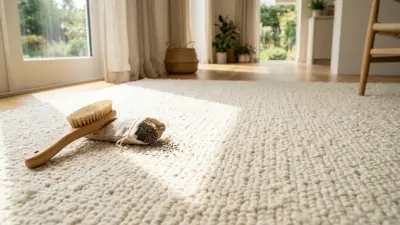
Maintaining clean carpets in a busy home often feels like a constant battle against foot traffic, pet dander, and unexpected spills. While traditional wet extraction methods like hot water extraction or steam cleaning offer deep restoration, they carry a significant downside: extended drying times that can leave your home unusable for up to 24 hours and risk mold growth if moisture lingers. That is where dry carpet cleaner powder comes in as an efficient, low-moisture alternative for routine maintenance, spot treatment, and odor removal without wetting your floors.
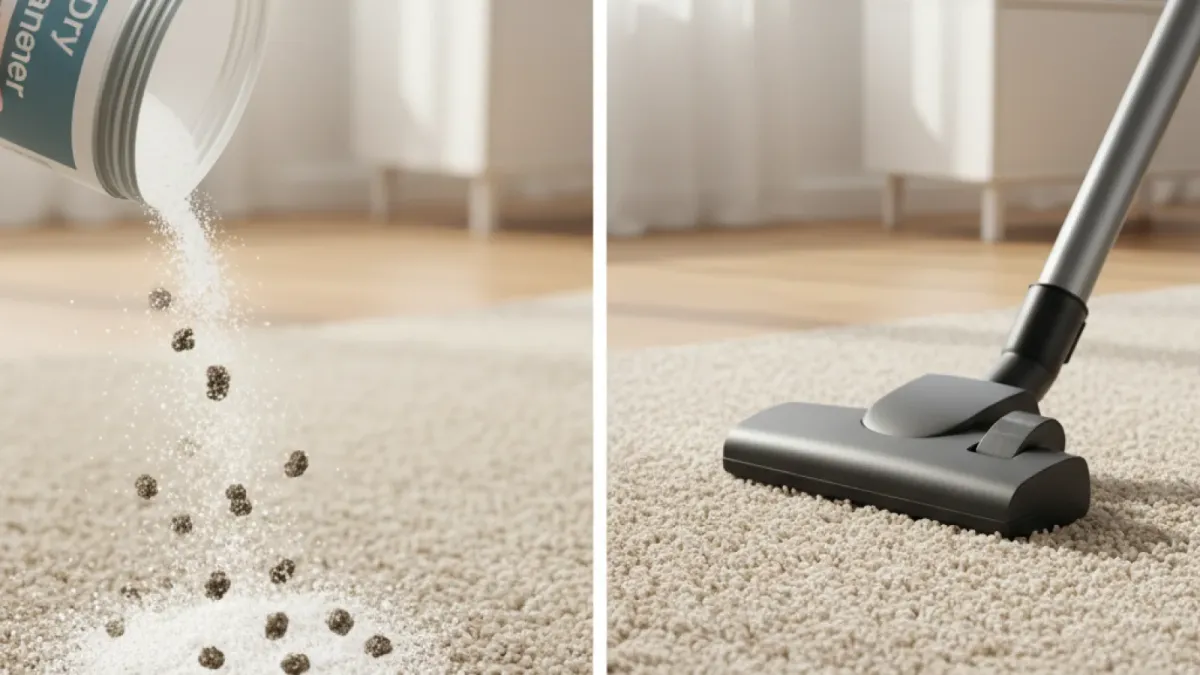
Quick answer: Dry carpet cleaner powder works by deploying absorbent micro-sponges saturated with cleaning solvents and water to break down oily soils and encapsulate dirt on carpet fibers. You simply sprinkle the powder, brush it into the pile, allow it to capture contaminants for 20 to 30 minutes, and vacuum it thoroughly away. It is ideal when you need zero drying time, instant room availability, or want to protect moisture-sensitive fibers like wool and jute.
Understanding the Science: How Dry Carpet Cleaner Powder Works
To understand why dry carpet cleaner powder is such a staple in both residential housekeeping and commercial maintenance, you have to look at how chemical absorbent technology operates. Despite the name "dry," most high-performing carpet powders are actually slightly damp, cellulosic micro-sponges or fine mineral granules impregnated with alcohol-based solvents, surfactant blends, and neutralizing fragrances. Unlike liquid sprays that push surface dirt deeper into the carpet backing, these micro-sponges bind to oily residues and surface particulates upon contact.
When you agitate the powder into the carpet pile using a soft-bristles brush, the solvent component breaks the chemical bond between hydrophobic oils (such as skin oils, grease, and tracked-in dirt) and the carpet fibers. The absorbent base material then locks the suspended dirt inside its microscopic pores. As the carrier liquid evaporates over a short 20-to-30-minute dwell time, the trapped dirt dries into crystalline particles that can be effortlessly lifted out with a high-powered vacuum cleaner.
This physical encapsulation process prevents soil re-deposition, which is a common problem with poorly rinsed wet shampoos. Furthermore, because dry carpet cleaning does not rely on saturation, the pH levels of high-grade powders are carefully balanced around neutral (pH 6.5 to 8.5). This keeps the chemical interaction safe for delicacy-sensitive fibers while maintaining high efficiency against common household organic soils.
When to Choose a Dry Carpet Cleaner Over Wet Extraction
Deciding between dry carpet cleaner powder and traditional hot water extraction comes down to carpet material, available time, and your specific maintenance goals. While wet steam cleaning is superior for restoring heavily soiled, high-traffic carpets with deep-seated mud, it requires substantial drying times, heavy machinery, and precise liquid chemical dilution ratios (typically 1 to 2 ounces per gallon of water). Dry cleaning powders fill the gap for fast, effective surface maintenance and delicate textiles.
Dry carpet powders excel in high-humidity environments where wet carpets take too long to dry, creating prime conditions for mildew and bacterial spores. Additionally, natural materials like jute, sisal, seagrass, and delicate un-scoured wool can shrink, warp, or suffer water-staining (browning) when exposed to liquid steam. Dry powder provides a safe, controlled method for freshening these natural fibers without altering their structural integrity.
Cleaner's tip: Never use a standard upright vacuum with a worn-out belt or low suction power to remove dry powders. If your vacuum lacks at least 150 Air Watts (AW) of suction power or a true sealed HEPA filtration system, fine powder particles will blow back out of the exhaust, scattering microscopic dust around your room and leaving a chalky residue on the carpet base. For deep-pile saxony or plush carpets, run the vacuum in slow, overlapping passes twice over the treated area.
Comparing Popular Dry Carpet Cleaners and Application Specifications
The market offers a wide spectrum of powders, ranging from heavy-duty absorbent granules designed for stain removal to lighter mineral formulations intended for routine freshening and odor control. When selecting a product, consider your carpet fiber type, sensitivity to synthetic fragrances, and whether you are targeting specific pet messes or general soil buildup.
Below is a comparative breakdown of key specifications, suitable carpet types, and operational requirements across standard dry carpet cleaner powder categories:
| Cleaner Category | Primary Active Base | Ideal Application | Dwell Time | Recommended Vacuum Specs |
|---|---|---|---|---|
| Absorbent Solvent Granules (e.g., Vanish Shake & Clean) | Moistened cellulose & organic solvents | Oily spots, high-traffic entryways, synthetic carpets | 20 - 30 minutes | Bypass motor, HEPA sealed, >180 AW suction |
| Deodorizing Mineral Powders (e.g., Supermarket / Tesco, Sainsbury's) | Sodium bicarbonate & hydrated silica | Light pet odors, routine freshening, short-pile nylon | 15 - 20 minutes | Standard upright, minimum 120 AW suction |
| Natural Fiber Formulations (e.g., Host, WoolSafe Approved) | Natural plant-based sponges & mild surfactants | Wool, silk blends, jute, sisal, delicate rugs | 30 - 45 minutes | Dual-motor counter-rotating brush (CRB) + HEPA vacuum |
For routine maintenance, using economical supermarket brands offers great odor neutralizing benefits due to their high sodium bicarbonate content. However, when tackling stubborn dirt lines in entryways or persistent pet spots, professional-grade or solvent-moistened powders like Vanish yield far superior results because the organic solvents break down tough oils that dry minerals cannot dissolve on their own.
Step-by-Step Guide: How to Apply Dry Carpet Cleaner Powder Correctly
To maximize the cleaning performance of your dry carpet cleaner powder while protecting your indoor air quality and carpet fibers, follow this systematic procedure refined by professional housekeepers.
- Pre-Vacuum Thoroughly: Before applying any powder, perform slow passes with a high-suction vacuum equipped with a rotating brush bar. Removing loose surface dust, sand, and pet hair ensures the powder can penetrate directly down to the carpet fiber base without wasting absorption capacity on dry debris.
- Patch Test: Sprinkle a small teaspoon of powder on an inconspicuous area, such as inside a closet or under a sofa. Lightly rub it in, wait 30 minutes, and vacuum. Check for any color bleeding, texture changes, or lingering film.
- Even Application: Shake the container evenly across the carpet surface. Avoid dumping thick piles; a light, uniform dusting is far more effective. For localized spots, apply slightly more product directly onto the mark.
- Agitation: Use a soft-bristled carpet brush or a clean hand broom to gently work the powder into the carpet fibers. Brush in multiple directions (north-south, east-west) so the micro-sponges coat every side of the carpet yarn. Avoid harsh scrubbing on Berber or loop-pile carpets to prevent fraying.
- Dwell Time: Allow the powder to sit for the full time recommended on the label—typically 20 to 30 minutes. During this phase, keep pets and children out of the area to prevent tracking fine dust into other rooms.
- Deep Vacuuming Extraction: Pass over the treated carpet slowly using your vacuum cleaner. Make 4 to 6 passes over every section. If your vacuum uses bags, replace the bag after treating large rooms, as fine powders fill dust bags quickly and restrict air suction.
Integrating this process into your standard carpet cleaners workflow every 4 to 6 weeks dramatically extends the interval required between expensive, heavy-duty steam cleaning sessions, keeping your rugs vibrant and fiber-resilient year-round.
Safety Precautions and Common Mistakes to Avoid
While dry carpet cleaning is remarkably safe compared to aggressive wet methods, improper execution can lead to equipment damage or reduced indoor air quality. Chemical safety should always remain a top priority when introducing dry treatment compounds into living spaces.
First, never mix dry carpet cleaner powders with liquid disinfectants, carpet shampoos, or chlorine bleach. Combining dry mineral powders with liquid chemicals can trigger unintended gas off-gassing or create thick, sticky sludges that permanently set into carpet backing. Always stick to EPA-registered disinfectants or dedicated spot treatments separately, allowing wet areas to dry completely before applying any powder product.
Second, protect your vacuum motor. Standard bagless vacuums with single-stage filters can struggle when capturing micro-granules. Fine powders can bypass basic foam filters, enter the motor housing, cause overheating, and void electrical warranties. If you clean large carpeted areas frequently, invest in a dual-motor bagged vacuum or one equipped with a sealed, washable multi-stage HEPA filtration setup.
The Best Overall Cleaning Strategy for Your Home
If you need a quick, reliable room refresh before hosting guests, or if you are managing delicate wool or woven natural rugs that cannot tolerate water, using a premium solvent-based dry carpet cleaner powder is your best move. Begin by pre-vacuuming thoroughly with a HEPA-sealed unit, apply the powder evenly, brush it into the pile, and give it 30 minutes to encapsulate soils before performing deep vacuum passes. For homes with synthetic carpets and heavy traffic, alternate this dry process with occasional wet extraction to maintain maximum indoor hygiene and fiber longevity.
Frequently Asked Questions
Is dry carpet cleaner powder safe for wool carpets?
Yes, most dry carpet powders are safe for wool because they do not rely on high water temperatures or harsh alkaline chemicals. However, always check the product label for WoolSafe certification and perform a quick patch test in a hidden area prior to full application.
Can I leave dry carpet powder overnight for better results?
Leaving deodorizing powders like pure sodium bicarbonate overnight is generally fine, but solvent-moistened carpet powders should not be left on past their recommended dwell time. If left too long, moist powders can dry out completely into stubborn crusts that are difficult to lift out with a standard vacuum.
Why is there a white residue left on my carpet after vacuuming?
White residue indicates either over-application of the powder, insufficient dwell time, or weak vacuum suction power. To remove it, brush the area gently with a dry stiff brush to loosen the bound particles, then vacuum slowly using a high-suction vacuum cleaner (minimum 150 Air Watts).
How often should I use dry carpet cleaning powder?
For typical homes, using a dry carpet cleaner powder every 4 to 6 weeks keeps odors controlled and surface soils from grinding deeper into fibers. High-traffic living rooms or homes with multiple pets may benefit from bi-weekly spot applications in entryway lanes.
Sources
- US EPA: Greener Carpet Cleaners and Recommendations
- Wikipedia: Carpet Cleaning Principles and Methods
- The WoolSafe Organisation: Testing and Certification Standards