Understanding the Versatile Wet/Dry Vacuum: Your Home's Underrated Hero
In the realm of home maintenance and house cleaning, few tools offer the sheer versatility and raw power of a wet/dry vacuum. Often overlooked in favor of more specialized machines, this robust cleaning powerhouse is, in my opinion, the unsung hero of any well-equipped household or workshop. From unexpected spills to extensive deep cleaning projects, a quality wet/dry vacuum can tackle messes that would overwhelm a standard household vacuum, saving you time, effort, and potentially costly professional cleaning services.
But what exactly distinguishes a wet/dry vacuum, and why should it be an indispensable part of your cleaning arsenal? Unlike conventional vacuums designed solely for dry debris, these machines are engineered to handle both solids and liquids without compromise. This dual functionality makes them incredibly valuable for a wide range of tasks, from minor accidents to significant cleanup operations, ensuring your home remains pristine and well-maintained.
Here at Clean & Cleaner, we believe every homeowner deserves the knowledge to make their cleaning tasks easier and more effective. This comprehensive guide will demystify the wet/dry vacuum, helping you select the right model, understand its myriad applications, and master its safe and efficient operation for all your home upkeep needs.
Choosing Your Champion: Selecting the Right Wet/Dry Vacuum
Selecting the ideal wet/dry vacuum is crucial for maximizing its utility and ensuring it meets your specific needs. The market offers a wide array of models, each with varying specifications that impact performance and suitability for different tasks. Understanding these key features will empower you to make an informed decision, securing a tool that truly enhances your deep cleaning capabilities.
When considering a purchase, focus on these critical specifications. Capacity, measured in gallons, dictates how much liquid or dry debris the tank can hold before needing to be emptied; smaller units (2-6 gallons) are great for quick spills and car cleaning, while larger models (10+ gallons) are essential for flooded basements or extensive workshop cleanups. Horsepower (HP) indicates the motor's strength, directly correlating to suction power – look for higher HP (3.0-6.5 HP) for tougher jobs. Finally, hose diameter (typically 1.25, 1.875, or 2.5 inches) affects airflow and the size of debris it can handle; a wider hose is better for larger items like wood chips, while a narrower one offers more focused suction for fine dust.
Beyond these core metrics, consider additional features like a built-in drain port for easy liquid disposal, a blower function for clearing leaves or sawdust, and onboard tool storage for convenience. Some advanced models even offer HEPA filtration, which is vital for capturing fine dust and allergens during renovation or sensitive house cleaning tasks. Brands like Shop-Vac, Craftsman, and Ridgid are well-regarded in the DIY community for their robust and reliable offerings, providing excellent value for homeowners and cleaning enthusiasts alike.
Beyond the Puddle: Diverse Applications for Your Wet/Dry Vacuum
The true power of a wet/dry vacuum lies in its incredible versatility, extending far beyond simply sucking up a spilled drink. Based on my experience, this machine becomes an invaluable asset for various home maintenance challenges, from minor nuisances to major renovation undertakings. Let's explore some practical applications that will transform your approach to household cleanliness.
Emergency Spills and Water Damage
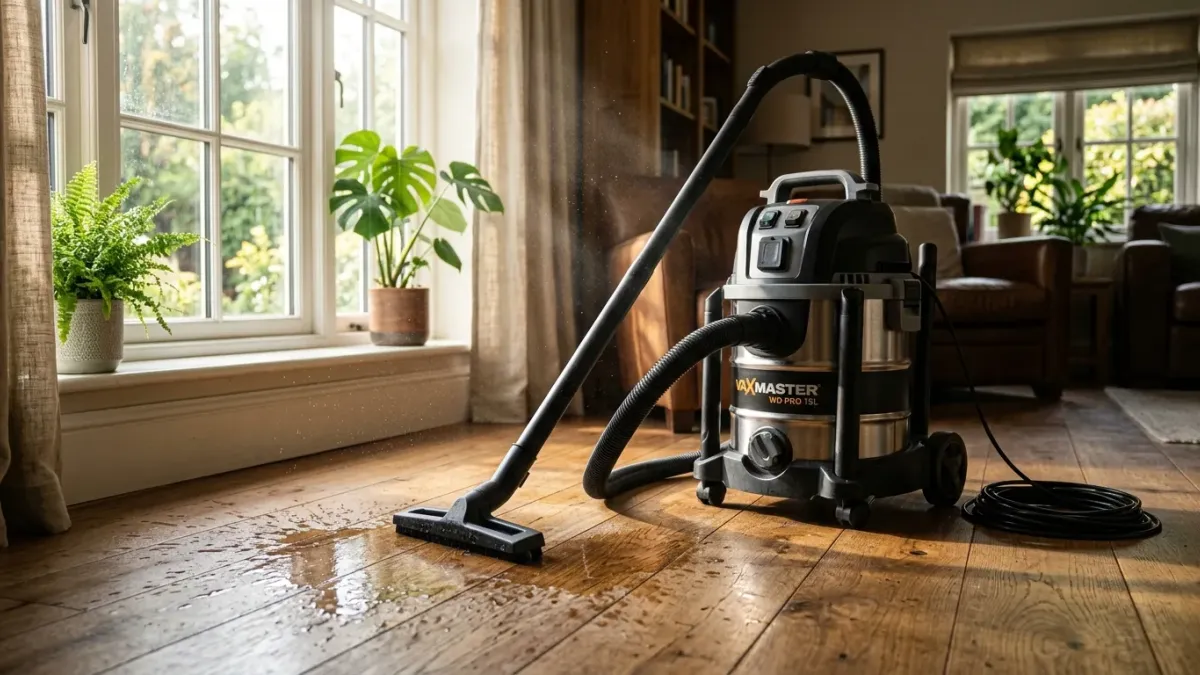
Imagine this situation: You return home to discover a burst pipe or a washing machine overflow, leaving a significant pool of water on your basement floor. What would you do in such a scenario? This is precisely where a wet/dry vacuum shines. It can rapidly extract large volumes of water, preventing further damage to flooring, walls, and personal belongings. For smaller accidents, like a child spilling a large glass of juice or a pet having an indoor mishap, the wet/dry vacuum quickly and hygienically removes the liquid, making cleanup far more efficient than towels alone.
When tackling liquid spills, ensure the vacuum is set to its "wet" mode (usually by removing or changing the filter type) to prevent motor damage and optimize suction. Always disconnect power to affected areas before cleaning any significant water leak, prioritizing safety above all else. This proactive approach to emergency cleanup can significantly mitigate damage and reduce the need for expensive professional cleaning services.
Workshop, Garage, and Outdoor Maintenance
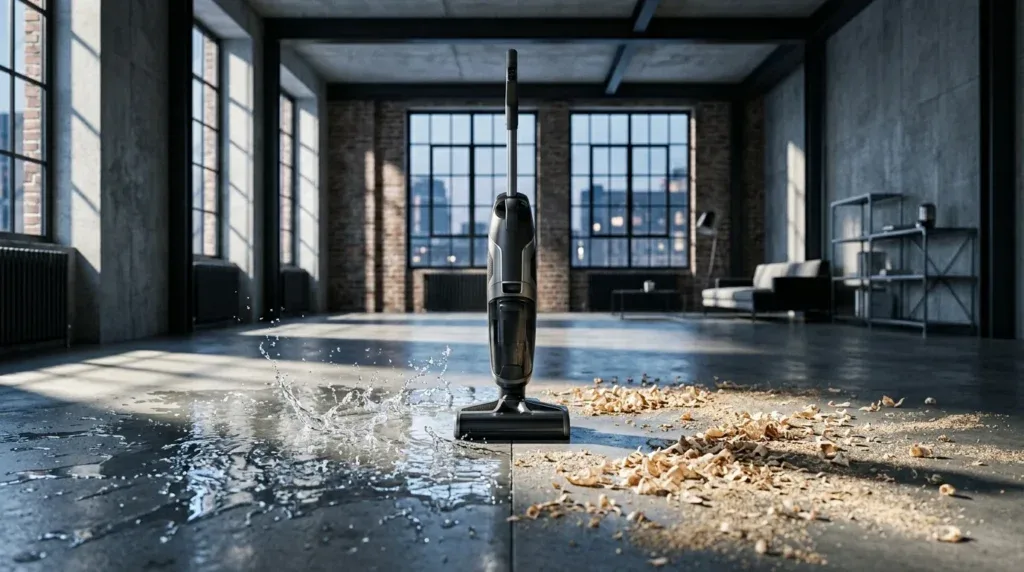
For the DIY enthusiast or anyone with a workshop, a wet/dry vacuum is an indispensable tool. It effortlessly handles sawdust, wood shavings, metal scraps, and even spilled oil or paint, keeping your workspace clean and safe. Many models come with a blower function, which is perfect for clearing debris from workbenches or blowing leaves off a patio or driveway. You can even use specialized attachments for gutter cleaning, removing wet leaves and sludge that can cause blockages and potential water damage to your home’s exterior.
Consider using your wet/dry vacuum for thorough car detailing. It can extract dirt and debris from floor mats, seats, and carpets, and with a crevice tool, reach those hard-to-access areas. For outdoor patios, it can clear standing water after rain or clean up spills from BBQs, making it a true workhorse for comprehensive home maintenance.
Deep Cleaning and Renovation Projects
When it comes to deep cleaning or post-renovation cleanup, a wet/dry vacuum truly demonstrates its value. After a remodeling project, fine construction dust, drywall particles, and plaster can be pervasive. A wet/dry vacuum with appropriate filtration (like a cartridge or HEPA filter for fine particles) can effectively capture this debris without clogging, which would quickly overwhelm a standard household vacuum. It's also excellent for extracting water and cleaning solutions from carpets and upholstery after shampooing, accelerating drying times and preventing mildew growth.
For tougher deep cleaning tasks, such as scrubbing tile grout or heavily soiled concrete floors, the vacuum can be used in conjunction with appropriate cleaning solutions. Apply the cleaner, scrub the surface, and then use the wet/dry vacuum to extract the dirty solution, leaving surfaces far cleaner than traditional mopping or scrubbing alone. This method is surprisingly effective and can give your home a refresh often associated with professional cleaning services.
Essential Operation and Safety Practices
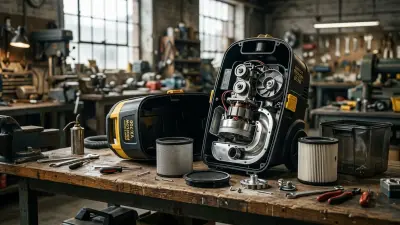
Operating a wet/dry vacuum safely and effectively is paramount to achieving optimal results and ensuring the longevity of your machine. Before each use, always ensure you have the correct filter installed for the task at hand. For dry vacuuming, a pleated cartridge filter or a foam sleeve (for fine dust) is typically used. For wet vacuuming, the dry filter must be removed or replaced with a specialized foam sleeve to prevent damage and maintain proper suction.
Electrical safety is non-negotiable. Always connect your vacuum to a grounded outlet, and if using an extension cord, ensure it is rated for outdoor use and has a sufficient gauge for the vacuum's amperage. Never submerge the vacuum motor head in water, and be cautious when vacuuming around electrical outlets or standing water. Honestly, a little extra caution goes a long way in preventing accidents and ensuring safe operation.
When vacuuming liquids, empty the tank frequently to prevent overloading the motor or spilling. Many larger models feature a convenient drain port for easy liquid disposal. For dry debris, periodically check and clean the filter to maintain strong suction and prevent dust from recirculating into the air. A clogged filter will dramatically reduce performance and put unnecessary strain on the motor, diminishing the effectiveness of your house cleaning efforts.
Maintaining Your Wet/Dry Vacuum for Longevity
Proper home maintenance extends to your cleaning tools as well. To ensure your wet/dry vacuum remains a reliable workhorse for years to come, consistent cleaning and care are essential. After each use, especially after wet vacuuming, thoroughly clean the tank. Rinse it out with clean water and allow it to air dry completely to prevent mold, mildew, and unpleasant odors from developing.
The hose and attachments also require attention. Clear any blockages from the hose and rinse it if it has been used for wet pickup. Clean or replace filters as needed; a dirty filter not only reduces suction but can also compromise air quality. Depending on usage, filters might need a shake-out after every major job, or a full wash/replacement every few months. Investing in a spare filter can be a wise move, allowing you to switch seamlessly between wet and dry tasks.
Finally, store your wet/dry vacuum in a dry, protected area, away from extreme temperatures. Regularly inspect the cord for any damage and ensure all connections are secure. By adhering to these simple cleaning tips and maintenance intervals, you'll ensure your wet/dry vacuum is always ready to tackle any challenge, proving itself an invaluable tool for comprehensive home maintenance and deep cleaning.
Mastering the wet/dry vacuum transforms the way you approach home cleaning and maintenance. It's more than just a tool; it's an investment in your home's longevity and cleanliness, empowering you to handle everything from routine house cleaning to unexpected emergencies with confidence and efficiency. Equip yourself with this knowledge, choose wisely, and unlock a new level of cleaning prowess for your home.