Cloudy glass shower doors, foggy exterior windows, and spotted bathroom mirrors are classic symptoms of mineral buildup. When untreated tap water dries on glass, it leaves behind crusty, chalky deposits that ruin transparency and prove surprisingly resistant to standard glass sprays. Over time, these spots can etch into the surface, turning a simple routine wash into a frustrating home maintenance headache. Restoring clear glass does not require harsh chemical fumes or endless scrubbing if you understand the underlying science and apply the right techniques.
Quick answer: Removing hard water stains requires a low-pH acidic cleaner (such as 5% acetic acid white vinegar or citric acid solution) to dissolve alkaline calcium carbonate deposits, followed by gentle mechanical agitation using a 300 GSM microfiber towel or non-scratch pad. For severely etched glass, a targeted mechanical polishing compound containing cerium oxide or mild abrasives like Bar Keepers Friend restores crystal clarity.
The Chemistry Behind Mineral Buildup on Glass
Hard water stains, often called limescale or mineral spotting, occur when water rich in dissolved minerals evaporates from a surface. Data from the United States Geological Survey (USGS) shows that roughly 85% of North American homes have hard water containing high concentrations of calcium, magnesium, and carbonate ions. When a droplet resting on shower glass or a windowpane dries out, these dissolved compounds crystallize into calcium carbonate (CaCO3) and magnesium hydroxide. In early stages, these crystals simply sit on top of the silica lattice that forms the glass pane.
If allowed to linger under high heat and humidity, these alkaline minerals undergo a process called chemical etching. Glass appears smooth to the touch, but under microscopic examination, its surface contains microscopic pits and pores. Moisture and alkaline compounds react chemically with the sodium silicate in glass, creating shallow microscopic microscopic divots. Once minerals settle into these tiny pits, ordinary spray-and-wipe surface cleaning stops working. Understanding pH levels is key to reversing this process: because mineral deposits are strongly alkaline (pH 8.5 to 10), they dissolve quickly when exposed to acidic solutions (pH 2.0 to 3.5).
Delaying treatment makes deep cleaning significantly harder over time. While daily maintenance requires only a quick swipe after a shower, neglected glass demands specialized chemical dwell times and light abrasive friction to lift hardened scale without gouging the delicate pane. Recognizing the age and severity of the stain helps you pick the right tools and products right from the start.
Safety Essentials and Surface Preparation
Safety should always take precedence when dealing with heavy deep cleaning tasks involving specialized chemical formulas. Many commercial limescale removers contain aggressive acids like phosphoric, sulfamic, or hydrochloric acid. Working in enclosed shower stalls creates concentrated vapors that irritate eyes and mucous membranes. Always open nearby bathroom windows, turn on exhaust fans rated for adequate CFM airflow, and leave doors wide open during application.
Cleaner's tip: Never apply acidic cleaners or abrasive pastes to dry glass that sits under direct, blazing sunlight. Sun-baked glass heats up rapidly, causing your cleaning agent to evaporate before it can break down mineral bonds. This bakes the product onto the pane, leaving stubborn secondary streaks that take twice as long to scrub out.
Equip yourself with heavy-duty nitrile gloves to shield skin from low-pH solutions and wear full-coverage safety goggles to prevent accidental liquid splatters when scrubbing overhead. Furthermore, never mix acidic cleaners with bleach or ammonia products. Mixing acid with chlorine bleach generates toxic chlorine gas, creating an immediate pulmonary hazard. Always perform a spot test on a tiny, low-visibility corner of custom tinted or coated glass before coating the entire sheet.
Top Methods for Removing Hard Water Stains: A Comparative Breakdown
Choosing the correct approach depends directly on deposit severity, glass age, and personal chemical preferences. Below is an overview of popular cleaning solutions, their ideal dilution parameters, and expected performance levels.
| Cleaning Solution | Active Ingredient / pH | Optimal Dwell Time | Best For |
|---|---|---|---|
| Distilled White Vinegar | 5% Acetic Acid (pH 2.4) | 10–15 Minutes | Light to moderate spotting on shower doors and taps |
| Citric Acid Solution | 6% Citric Acid (pH 2.2) | 15–20 Minutes | Odorless deep cleaning of heavy mineral crusts |
| Baking Soda & Soap Paste | Sodium Bicarbonate (pH 8.3) | 5–10 Minutes | Mild physical scrub for soap scum combined with light scale |
| Oxalic Acid Paste (Bar Keepers Friend) | Oxalic Acid (pH 1.5–2.0) | 2–3 Minutes max | Severe, baked-on mineral deposits and irrigation rust |
| Commercial Cerium Oxide Slurry | Cerium Oxide Powder | Continuous Agitation | Polishing out microscopic glass etching and physical haze |
Step-by-Step Restoration Protocols
Method 1: The Eco-Friendly Acid Dwell (Light to Moderate Stains)
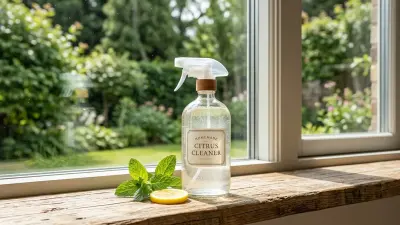
For routine maintenance and moderate shower haze, pure household acids offer a safe and inexpensive baseline solution. Mix equal parts distilled water and 5% white vinegar in a clean trigger spray bottle, or dissolve 2 tablespoons of food-grade citric acid powder into 16 ounces of warm water. Warm water speeds up chemical breakdown, helping the acid penetrate the crystalline mineral matrix faster.
- Spray the acidic solution generously across the affected glass surface until fully saturated.
- Cover heavily coated areas with paper towels soaked in the liquid solution to prevent quick runoff and keep the area moist for a full 15-minute dwell time.
- Gently agitate the surface using a non-scratch synthetic scrubbing pad or a melamine foam eraser, applying steady, light circular pressure.
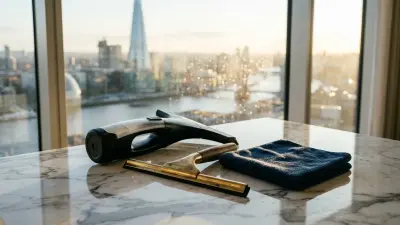
- Rinse thoroughly with clean water, then immediately clear moisture with an 8-inch stainless steel squeegee featuring a soft rubber blade.
- Buff remaining damp spots dry using a plush 300 to 400 GSM microfiber towel to eliminate residual mineral traces.
Method 2: Target Scrubbing for Stubborn Etched Scale (Heavy Stains)
When liquid acids slide off without dissolving thick crusts, paste formulations offer the necessary clinging power and gentle mechanical abrasion. Combine oxalic acid powder (such as original Bar Keepers Friend) with distilled water until it reaches the consistency of thick toothpaste. Oxalic acid binds tightly to iron and calcium ions, pulling them away from silica surfaces fast.
Spread the paste over small 2x2 foot sections of glass using a dampened high-density microfiber applicator sponge. Allow it to sit for no more than two minutes, as drying oxalic acid can turn powdery and hard to remove. Scrub in firm, overlapping circular motions. Avoid using steel wool coarser than #0000 grade, as standard steel wool pads will permanently scratch soft architectural glass coatings. Rinse thoroughly with fresh water and dry completely with a squeegee.
Long-Term Maintenance and Prevention Strategies
Stopping mineral scale before it forms saves hours of strenuous labor down the road. Implementing daily habits keeps glass surfaces pristine indefinitely. The single most effective routine action is squeegeeing shower doors immediately after every shower. Removing bulk water droplets leaves no standing liquid behind to evaporate into mineral spots.
For maximum protection, apply an exterior hydrophobic glass coating or polymer sealant (such as Rain-X Glass Treatment or specialized ceramic spray coatings) every three to six months. These repellents fill in microscopic glass pores, causing water to bead up and roll off smoothly rather than sticking to the surface. If municipal water in your region exceeds 7 to 10 grains per gallon (GPG) of hardness, investing in a home water softening system or whole-house filtration unit removes calcium at the source, protecting your glass, fixtures, and appliances simultaneously.
For heavily compromised exterior windows or extensive architectural installations where hands-on scrubbing is impractical, hiring professional cleaning services equipped with water-fed poles and deionized purified water systems ensures spotless results without risking window damage.
If you are tackling hazy shower doors or mineral-spotted exterior windows today, start with the simple 1:1 warm white vinegar and distilled water soak using saturated paper towels for 15 minutes. If cloudy patches remain after squeegeeing, step up to an oxalic acid powder paste applied with a wet #0000 ultra-fine steel wool pad. Finish the job by sealing the clean glass with a hydrophobic sealant to keep hard water spots away for months.
Frequently Asked Questions
Can razor blades safely scrape hard water stains off glass shower doors?
Yes, but only when used properly on wet glass. Use a brand-new stainless steel single-edge razor blade set at a precise 45-degree angle while keeping the glass well-lubricated with soapy water or vinegar spray. Dry scraping or using a dull, rusty blade will gouging and permanently scratch glass panes.
Is steel wool safe to use on residential glass surfaces?
Only #0000 ultra-fine steel wool is safe for plain glass surfaces. Coarser grades like #0, #1, or standard abrasive kitchen scrubbers will leave visible scratches. Always verify that your glass panel does not feature aftermarket tinting, low-E films, or protective factory coatings before using steel wool.
Why do hard water stains return so quickly after cleaning?
Hard water spots return quickly because cleaning removes surface deposits but leaves microscopic pores exposed to hard water. Without a hydrophobic surface sealant or continuous squeegeeing, freshly evaporated tap water immediately settles into those open microscopic pores, restarting mineral crystallization.
Does magic eraser remove mineral haze from shower doors?
Melamine foam erasers are mildly abrasive and work very well on light mineral film when paired with an acidic cleaner. However, for thick, petrified calcium scale, melamine foam alone wears down too quickly and lacks the chemical strength needed to break tight mineral bonds.
Sources
- U.S. Geological Survey (USGS) - Water Hardness Information
- U.S. Environmental Protection Agency (EPA) - Safer Choice Program Standards
- International Window Cleaning Association (IWCA) - Glass Safety & Care Guidelines