Quick answer: For general deep cleaning across synthetic carpets, concentrated formulas like Bissell Pro Max Clean + Protect or Rug Doctor Pro Carpet Detergent offer the best balance of surfactant power and low-residue rinsing when mixed at 2 oz per gallon of warm water (approx. 1:64 dilution). For organic spills and pet accidents, an enzymatic pre-treatment with a neutral pH (6.5–7.5) is required to break down uric acid crystals permanently without damaging carpet backing.
Understanding Carpet Cleaning Formulas and Chemistry
carpet cleaning solutions rely on surface-active agents, known as surfactants, to weaken the chemical bonds holding oil and dirt to carpet fibers. Concentrated commercial cleaners lower the surface tension of water, allowing the solution to penetrate dense cut-pile or loop-pile constructions efficiently. When paired with machine extraction, these surfactants emulsify greasy soils so the vacuum shoe can pull the contaminated liquid out of the backing and pad.
The chemical pH level of a cleaning solution dictates both its cleaning power and its safety on specific materials. Synthetic fibers such as nylon, polyester, and triexta tolerate mild alkaline cleaners with a pH range of 8.0 to 9.5, which break down heavy traffic lane soils. Natural fibers like wool and silk require wool-safe products maintained at a neutral pH between 5.5 and 8.0. Excessively high pH formulas (above 10.0) strip factory stain repellents like Scotchgard and cause permanent color bleeding in natural dye sets.
Enzymatic cleaners take a targeted biological approach to organic protein stains, including pet urine, feces, blood, and food spills. These formulas contain active bacteria strains that produce enzymes (proteases and amylases) to digest organic matter and eliminate odor-causing compounds at the molecular level. Unlike standard detergent shampoos that merely mask odors with fragrance, enzymatic solutions require a dwell time of 10 to 20 minutes to digest the organic substrate before extraction.
Top Recommended Carpet Cleaner Solutions for Every Need
Selecting the right carpet cleaning liquid depends on the type of machine you operate, the presence of pets, and whether you are performing routine maintenance or heavy restoration work. Modern extractors require non-foaming or low-foaming liquids to prevent air locks in fluid pumps and keep recovery tanks from overflowing with suds.
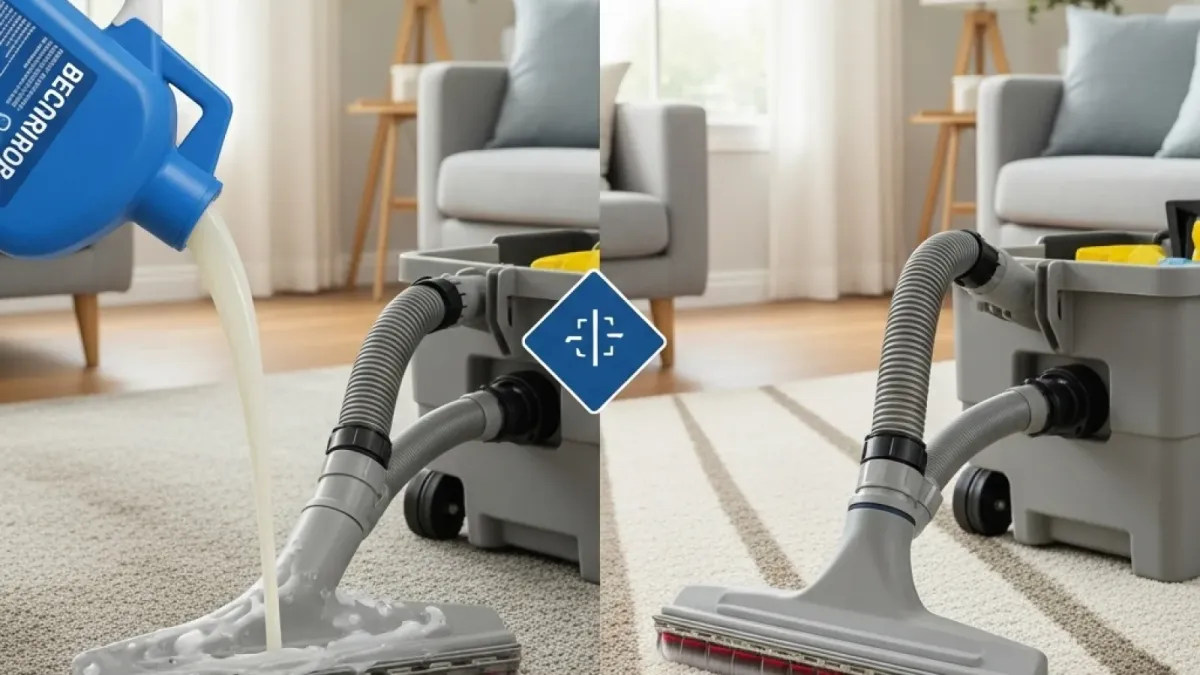
Cleaner's tip: The most common mistake home users make is adding too much cleaning concentrate to the water tank, assuming extra soap yields cleaner carpets. Excess detergent cannot be fully extracted by standard household machines; it dries into a sticky film on the fibers that acts like dirt magnet within days. Always stick to a strict 2 oz per gallon ratio (1:64) or perform a final rinse pass using only warm, clear water to clear out leftover detergent.
Below is a direct comparison of top-performing commercial carpet cleaner liquids evaluated by dilution requirements, pH levels, and primary target applications:
| Cleaner Name | Primary Target | pH Level | Recommended Dilution | Fiber Compatibility |
|---|---|---|---|---|
| Bissell Pro Max Clean + Protect | Heavy traffic & deep stains | 8.5 – 9.5 | 2 oz per gallon (1:64) | Nylon, Polyester, Triexta |
| Rug Doctor Pro Carpet Detergent | Commercial deep extraction | 8.0 – 9.0 | 1 oz per gallon (1:100) | Synthetic wall-to-wall carpets |
| Folex Instant Carpet Spot Remover | Spotting & pre-treatment | 7.0 – 7.5 (Neutral) | Ready-to-use (No mix) | All colorfast carpets & upholstery |
| OxiClean Carpet & Area Rug Remover | Oxygen-based stain lifting | 8.0 – 8.5 | Direct spray / 2 oz per gal | Synthetic fibers & area rugs |
| Nature’s Miracle Advanced Pet Formula | Severe pet bio-stains & odors | 6.5 – 7.0 | Ready-to-use enzymatic | Carpet, backing, and subfloor safe |
Machine Extraction vs. Spot Cleaning Techniques
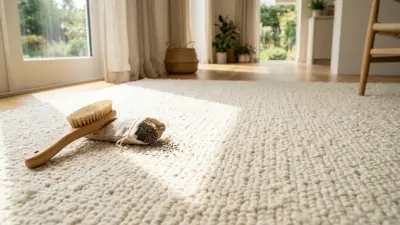
Deep extraction with a upright or portable carpet extractor is the most thorough house cleaning method for removing embedded soil across large floor areas. Before applying liquid solution, clean the area thoroughly using a sealed vacuum equipped with an H13 HEPA filter to extract dry particulate matter. Dry vacuuming removes up to 75% of loose dirt, preventing dry dust from turning into mud when wet cleaning solution hits the pile.
When running an extraction machine, fill the clean water tank with warm tap water between 120°F and 140°F (49°C to 60°C). High water temperatures boost surfactant activity, making it easier to break up grease without relying on harsh chemicals. Push the machine forward while squeezing the trigger to spray liquid, then pull backward slowly over the same track to agitate and extract. Always follow up with two dry passes (suction only, no spray) for every wet pass to remove excess moisture and reduce drying times to under 4 hours.
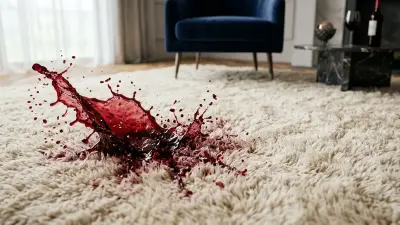
For isolated spots like wine or coffee, localized stain treatment yields better results than running a full floor machine. Blot fresh spills immediately with a dense 350 GSM microfiber cloth, working from the outer edge of the spot inward to prevent spreading. Apply a neutral spot remover such as Folex, gently agitate with a soft-bristle carpet brush, and allow a 5-minute contact time before blotting dry. Avoid aggressive scrubbing, which unravels twisted carpet yarns and leaves permanent carpet fuzzing.
Eco-Friendly and Safe DIY Carpet Cleaning Alternatives
Homeowners seeking non-toxic, eco-friendly cleaners can make effective home remedies using standard household pantry ingredients. A simple mixture of white distilled vinegar (5% acetic acid) and warm water in a 1:1 ratio acts as a mild acidic rinse that neutralizes alkaline residues, softens carpet fibers, and removes minor pet odors without synthetic fragrances.
For lifting greasy food stains or freshening carpet piles without commercial detergents, combine 1 cup of warm water, 1/2 teaspoon of mild clear dish soap, and 1 tablespoon of baking soda in a spray bottle. Spray the solution lightly onto the affected area, let sit for 10 minutes, and lift moisture using a dry microfiber towel. Baking soda absorbs odors naturally, while the dish liquid cuts through localized cooking oils.
Safety is critical when handling homemade or commercial carpet care products. Never mix chlorine bleach with ammonia or acidic solutions like vinegar, as this creates dangerous toxic chloramine gases. Ensure the room has adequate airflow during deep cleaning, and keep pets and children off damp carpets until the subfloor and fibers are completely dry to prevent skin irritation.
Long-Term Maintenance and Carpet Protection Strategies
Maintaining clean carpets requires a multi-tier routine that combines daily habits, seasonal maintenance, and professional cleaning services. Place heavy-duty catch mats at all exterior entrances to capture grit before it enters the home. Establishing a shoes-off policy eliminates up to 85% of outdoor dirt and street contaminants from being ground into carpet fibers.
Plan a deep extraction cleaning every 12 to 18 months using a Carpet and Rug Institute (CRI) certified machine and solution. High-traffic households with multiple pets or active children may need deep extraction every 6 months. Regular maintenance preserves fiber resiliency, prevents permanent traffic lane wear, and maintains manufacturer warranty coverage on new carpet installations.
After deep cleaning, applying a fluorochemical fabric protector spray recreates the factory stain-resistant barrier that wears away over time from foot friction. Allow carpet fibers to dry completely before replacing heavy furniture. Use protective plastic coasters under desk chairs and heavy furniture legs to prevent permanent pile crushing and indentation marks.
Clear Recommendation
If you have synthetic wall-to-wall carpets dealing with everyday foot traffic, use a low-foaming concentrate like Bissell Pro Max Clean + Protect mixed strictly at 2 oz per gallon in a hot water extractor. For pet owners dealing with frequent accidents, skip standard shampoos and pre-treat the carpet with an enzymatic formula like Nature's Miracle, letting it dwell for 15 minutes before performing a clear-water rinse pass. Start every cleaning session with a thorough dry vacuuming pass to ensure optimal dirt extraction and fast drying times.
Frequently Asked Questions
How much carpet cleaner solution should I add to my machine?
Most concentrated carpet cleaning formulas require 2 ounces of liquid detergent per gallon of hot water, which translates to roughly a 1:64 dilution ratio. Always check your machine's clean water tank lines or manual, as adding too much soap leaves a sticky film that attracts fresh dirt rapidly.
Can I put vinegar in my carpet cleaner machine instead of soap?
Yes, a solution of 1 part white distilled vinegar to 4 parts hot water works as an effective, eco-friendly rinse agent. Vinegar strips leftover detergent buildup, neutralizes lingering pet odors, and leaves fibers feeling soft without using synthetic fragrances.
How long does carpet take to dry after deep extraction?
Carpet typically takes between 4 to 8 hours to dry completely after extraction. You can shorten drying times significantly by opening windows, running ceiling fans, turning on an air mover, and executing 2 to 3 dry suction passes for every wet spray pass during cleaning.
Is hot water extraction safe for wool carpets?
Hot water extraction is safe for wool as long as the water temperature stays under 120°F (49°C) and you use a wool-safe, neutral pH cleaner (pH 5.5 to 8.0). High heat and alkaline cleaners can shrink wool fibers or cause permanent color fading.