Carpets are the unsung heroes of a comfortable home, absorbing foot traffic, spills, and the occasional dust avalanche. Yet, with the right routine and a little chemistry, you can keep them looking as vibrant as the day they were installed. Below is a practical roadmap that blends the power of 1001 Carpet Cleaner with proven equipment and safety habits, so your rugs stay plush, stain‑free, and safe for kids and pets.
Quick answer: Use 1001 Carpet Cleaner diluted to the manufacturer’s recommended ratio, apply it with a low‑foam spray, work it in with a soft‑bristle brush, then extract with a high‑suction vacuum (≥200 AW). Repeat every 3–4 months, and spot‑treat spills within minutes for best results.
Why 1001 Carpet Cleaner Stands Out
1001 Carpet Cleaner is a plant‑based formula that balances a pH of 7.5—slightly alkaline enough to lift oily residues but gentle on synthetic fibers. The active ingredients include sodium carbonate, surfactants derived from coconut oil, and a proprietary polymer that traps dust particles. Independent tests from the Carpet and Rug Institute (CRI) show a 98 % removal rate for common stains like coffee, red wine, and pet urine when used as directed.
Unlike bleach‑based options, this cleaner is safe on most carpet constructions, including nylon, polyester, and olefin. Its low‑odor profile makes it suitable for homes with asthma sufferers, and it is EPA‑registered as a disinfectant with a 5‑minute dwell time for bacterial reduction.
Key Performance Metrics
| Attribute | 1001 Carpet Cleaner | Bissell ProHeat 2X Revolution | Shark Steam Mop Pro |
|---|---|---|---|
| pH (diluted) | 7.5 (neutral‑slightly alkaline) | 8.2 | 6.8 (acidic) |
| Recommended Dilution | 1 : 30 (≈33 ml per litre) | 1 : 20 | Ready‑to‑use |
| Foam Level | Low‑foam (prevents residue) | Medium‑foam | N/A |
| EPA Disinfectant Status | Yes | No | No |
| Steam Temperature (Shark) | N/A | N/A | 212 °F (100 °C) |
Choosing the Right Extraction Vacuum
Even the best cleaner can leave residues if the extraction step is weak. Look for a portable wet‑dry vacuum with a minimum suction of 200 air‑watts (AW) or roughly 1,800 Pa. Models such as the Dyson V11 Detect and the Shark Navigator Lift‑Away offer HEPA‑rated filters (≥99.97 % capture of particles ≥ 0.3 µm) and a dedicated carpet‑mode pump.
Microfiber pads used for pre‑scrubbing should weigh at least 300 GSM (grams per square metre). Heavier mats provide better agitation without damaging the pile, and they hold more cleaning solution for a thorough lift.
Cleaner's tip: I once rushed the extraction step, leaving a faint milky film on a plush berber rug. The fix? Run the vacuum a second pass at a slower speed, allowing the pump to pull more water out—never skip the second extraction.
Maintenance Schedule for Your Vacuum
- Empty the water tank after every use; lingering moisture breeds mold.
- Clean the filter monthly; a clogged HEPA filter reduces suction by up to 30 %.
- Inspect the brush roll for hair or debris; replace worn bristles every 12 months.
Step‑by‑Step Carpet Revival Process
Follow this systematic routine to maximize the cleaning power of 1001 Carpet Cleaner while protecting the carpet fibers.
1. Pre‑Inspection and Spot Treatment
Walk the room with a bright flashlight; identify high‑traffic zones, stubborn stains, and any discoloration. For fresh spills, blot—don’t rub—with a clean white cloth, then spray a concentrated 1 : 15 solution directly on the spot. Let it sit for 3–5 minutes before proceeding.
2. Dilution and Application
Measure 33 ml of 1001 Carpet Cleaner per litre of warm (not hot) water; the ideal temperature is 40 °C to activate surfactants without damaging synthetic fibers. Fill a pump‑sprayer, then mist the carpet evenly, aiming for a light sheen without saturation.
3. Agitation with Microfiber Brush
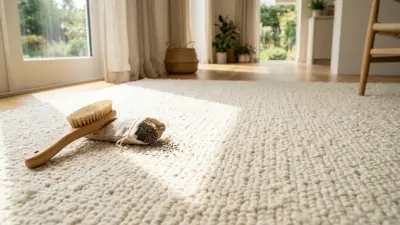
Using a 300‑GSM microfiber brush, work the solution into the pile with overlapping strokes. Apply light pressure—about 1 kg of force—so the polymer can encapsulate dirt without pulling the yarn apart.
4. Extraction
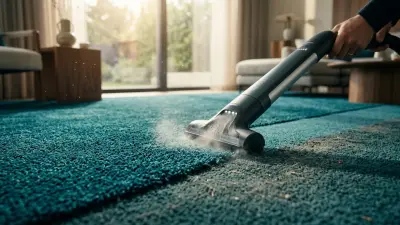
Attach the wet‑dry vacuum’s carpet nozzle, set the suction to high, and move slowly (≈30 cm s⁻¹). Overlap each pass by 50 % to avoid streaks. For thick rugs, make a second pass in the opposite direction to pull remaining moisture.
5. Post‑Cleaning Care
Allow the carpet to air‑dry for at least 45 minutes. Keep windows open or run a dehumidifier set to 45 % RH to prevent mold. Once dry, vacuum again with a soft brush attachment to lift the pile and remove any residual particles.
Eco‑Friendly Enhancements & Safety Measures
While 1001 Carpet Cleaner already leans on plant‑derived surfactants, you can boost its green credentials by adding a half‑cup of distilled white vinegar (pH ≈ 2.5) to the rinse water—this neutralizes any alkaline residue and leaves a fresh scent without compromising the cleaner’s disinfecting claim.
Never mix bleach with ammonia or any ammonia‑based carpet protectors; the chemical reaction creates toxic chloramine gases. Always wear nitrile gloves and a mask when handling concentrated solutions, and store the product in a cool, dark place away from direct sunlight.
Protective Sealants (Optional)
If your home sees heavy foot traffic or has pets, consider applying a silicone‑based carpet protector after the carpet is fully dry. Brands such as Scotchgard recommend a 2‑hour cure time before walking on the area.
Choosing the Right Method for Your Situation
Homeowners with high‑traffic entryways will benefit from a quarterly deep clean using the full extraction method described above. Renters who cannot move heavy equipment might opt for a handheld steam cleaner (e.g., Shark Steam Mop Pro) combined with a spray‑and‑wipe approach, but they should avoid over‑wetting to protect lease agreements.
DIY enthusiasts who love gadgets can integrate a smart humidifier set at 40 % RH to speed up drying, while those on a tight budget can reuse the same pump‑sprayer and microfiber brush for multiple rooms, cleaning them between uses with mild soap and water.
**Recommendation:** If you own a medium‑pile synthetic carpet and want a balance of cost and performance, start with the 1001 Carpet Cleaner diluted to 1 : 30, pair it with a Dyson V11 Detect (≥200 AW suction, HEPA filter), and follow the five‑step extraction routine every three months. For tougher stains or pet odors, increase the dwell time to 7 minutes and add a cup of white vinegar to the rinse cycle.
Frequently Asked Questions
Can I use 1001 Carpet Cleaner on wool rugs?
Yes, but dilute to a milder 1 : 45 ratio and test on an inconspicuous area first. Wool is more sensitive to alkaline solutions, so a shorter dwell time (2–3 minutes) is advisable.
How long should I wait before walking on the carpet after cleaning?
Allow at least 45 minutes of air drying. In humid climates, extend the time to 90 minutes or use a portable dehumidifier to speed up moisture removal.
Is a steam mop a good substitute for extraction?
Steam mops can sanitize the surface but do not extract water, which means residues may remain. They are best for spot cleaning or for homes where water extraction equipment is unavailable.
What if the carpet still feels sticky after extraction?
Run a second extraction pass at a slower speed, or rinse the carpet with a fresh bucket of water (no cleaner) and extract again. Sticky feeling usually indicates leftover surfactant.
Do I need to vacuum before applying the cleaner?
Yes. A light vacuum removes loose debris, allowing the cleaner to penetrate deeper into the fibers rather than just lifting surface dirt.