Introduction: Unmasking the True Enemy of a Clean Home
Dusting is often perceived as a superficial task, merely tidying up visible particles to improve aesthetics. However, as an experienced home maintenance specialist, I can tell you it’s far more critical than that. Dust isn't just unsightly; it's a complex mix of skin flakes, pet dander, pollen, fabric fibers, soil particles, and even microscopic bugs. These airborne invaders don't just settle on surfaces; they actively contribute to indoor air pollution, exacerbating allergies, asthma, and other respiratory issues for many homeowners.
Imagine this common scenario: you meticulously sweep and wipe surfaces, only to find yourself sneezing and coughing moments later, with dust seemingly resettling instantly. This isn't a failure on your part; it's a clear sign that your dusting tools and techniques are likely just moving dust around, rather than effectively capturing and removing it. Traditional brooms and feather dusters, while iconic, often fall short, scattering fine particles back into the air where they can be inhaled or simply drift back onto your freshly cleaned surfaces.
To truly achieve a clean, healthy, and dust-free home, we need to look beyond the basic broom and embrace a strategic arsenal of specialized dusting tools. This comprehensive guide will equip you with the knowledge to select the right tools, understand their proper use, and implement effective house cleaning and deep cleaning methods, ensuring your efforts lead to lasting results, not just temporary relief.

The Foundation of Effective Dusting: Manual Tools for Every Surface
Before we delve into power equipment, mastering the art of manual dusting is crucial. These are your everyday heroes, designed for quick touch-ups and tackling specific nooks and crannies. The key is to choose tools that *trap* dust, rather than just displace it, making them essential for effective cleaning tips.
Microfiber Cloths: The Unsung Heroes
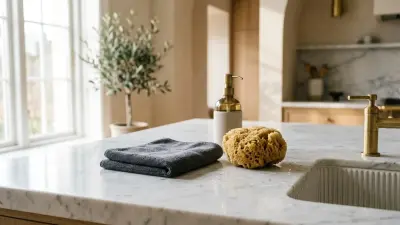
Microfiber cloths are, without a doubt, the cornerstone of any effective dusting kit. Composed of tiny synthetic fibers (typically a blend of polyester and polyamide), these cloths have an electrostatic charge and countless microscopic hooks that physically grab and hold onto dust, dirt, and allergens. Unlike cotton cloths that tend to push dust around, microfiber traps it, making it ideal for everything from delicate electronics to shiny furniture.
- How to Use: For dry dusting, simply wipe surfaces with a clean, dry microfiber cloth. For damp dusting, lightly mist the cloth with water or a mild, eco-friendly cleaner. The dampness helps lift stubborn grime and traps even more particles without leaving streaks. Always fold your cloth into quarters, using a clean side for each section to maximize efficiency and prevent redepositing dust.
- Maintenance: Microfiber cloths are incredibly durable and machine washable. Wash them separately from cotton items to prevent lint transfer, using warm water and a small amount of detergent. Avoid fabric softener, as it can clog the fibers and reduce their effectiveness. Air drying or tumble drying on low heat is recommended.
Electrostatic Dusters: Reaching High and Low
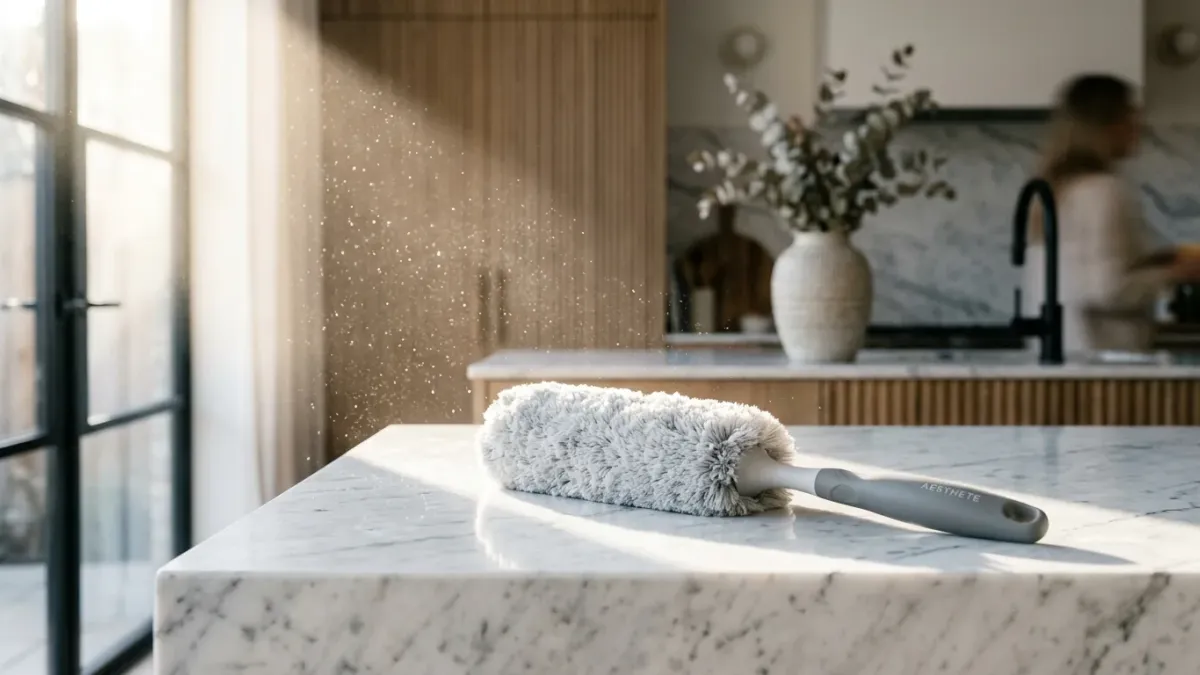
Electrostatic dusters, like those from Swiffer, are excellent for quick dusting tasks and reaching awkward spaces. These disposable or reusable duster heads are designed to generate a static charge that attracts and holds onto dust, hair, and cobwebs. They are particularly effective on textured surfaces where cloths might snag.
- Types and Uses: Basic handheld versions are great for blinds, baseboards, and intricate decor. Extendable handle versions are invaluable for ceiling fans, high shelves, light fixtures, and corners, eliminating the need for step stools and reducing the risk of stirring up dust into the air. While convenient, remember that these are often single-use or require frequent head changes, which can generate more waste than reusable options like microfiber.
- When to Choose: Opt for these when dealing with light, loose dust or when reaching inaccessible areas. They are a good supplement, but not a complete replacement, for thorough cleaning with microfiber.
Specialty Brushes and Dusters: Precision Cleaning
Beyond the basics, several specialized manual tools can significantly improve your dusting efficiency for specific items:
- Lambswool Dusters: These natural fiber dusters are excellent for delicate items and ornate furniture due to their soft fibers and natural lanolin, which attracts dust. They can be gently shaken outdoors to release trapped dust.
- Venetian Blind Dusters: With multiple prongs, these tools are designed to clean several slats of blinds at once, drastically cutting down dusting time for a notoriously tricky item.
- Keyboard Brushes & Gel Cleaners: Essential for electronics, these small brushes or sticky gel compounds can pick up crumbs and dust from crevices without damaging sensitive components.
- Detail Brushes: Small, soft-bristled brushes are perfect for dusting intricate carvings, picture frames, and small collectibles.
Powering Up Your Dusting: Vacuum Cleaners and Attachments
While manual dusting is effective for surface grime, true dust removal, especially for embedded dust in carpets, upholstery, and hard-to-reach areas, requires the power of a vacuum cleaner. This is where deep cleaning truly begins, ensuring particles are captured and not just relocated.
The HEPA Advantage: Critical for Allergy Sufferers
For anyone concerned about indoor air quality, particularly allergy and asthma sufferers, a vacuum cleaner equipped with a High-Efficiency Particulate Air (HEPA) filter is non-negotiable. HEPA filters are designed to capture 99.97% of airborne particles as small as 0.3 microns, including dust mites, pet dander, pollen, and mold spores. Standard filters merely catch larger debris, allowing microscopic allergens to pass through and re-enter your breathing air.
- Maintenance: To maintain efficiency, HEPA filters need regular cleaning or replacement. Check your vacuum cleaner’s manual for specific recommendations, but typically, HEPA filters should be replaced every 6-12 months, or more frequently in homes with pets or severe allergies.
Choosing the Right Vacuum Type for Comprehensive Dusting
The market offers a bewildering array of vacuum cleaners, each with strengths and weaknesses. Selecting the right one for home maintenance can make a significant difference:
- Canister Vacuums: These models offer superior maneuverability and are excellent for hard floors, delicate area rugs, and above-floor dusting. Their lightweight wands and flexible hoses, combined with a variety of attachments, make them ideal for reaching high ceilings, dusting curtains, cleaning upholstery, and navigating tight spaces like bookshelves without moving heavy furniture. Models like the Miele C3 series are renowned for their powerful suction and versatile attachments.
- Upright Vacuums: Best suited for homes with significant carpeting, uprights excel at deep cleaning carpets with their powerful brush rolls. While less agile for high dusting, many modern uprights come with hose attachments that can be used for floor-level dusting of baseboards and low furniture. Look for models with adjustable suction control to protect delicate surfaces.
- Handheld Vacuums: These compact, cordless wonders are perfect for quick clean-ups, spills, and targeted dusting in small, awkward spots like car interiors, furniture crevices, and electronics. A Dyson V-series handheld, for example, offers strong suction in a portable package, making it invaluable for spot dusting.
- Robot Vacuums: While not primary deep cleaners, robot vacuums (like Roomba or Roborock) are fantastic for daily maintenance dusting on floors. They keep surface dust levels low, preventing accumulation and reducing the frequency of manual floor dusting. Many high-end models now include HEPA filtration, further improving air quality.
Essential Vacuum Attachments for Dusting Mastery
Your vacuum cleaner is only as versatile as its attachments. These specialized tools are key to reaching every dusty corner:
- Dusting Brush: A circular brush with soft bristles. Essential for gently cleaning delicate surfaces like lampshades, blinds, baseboards, picture frames, and electronics without scratching.
- Crevice Tool: A long, narrow nozzle designed to reach into tight gaps, corners, and along edges where dust loves to hide. Perfect for between couch cushions, radiators, and window sills.
- Upholstery Tool: Often wider than a crevice tool and sometimes with a lint strip, this attachment is designed to clean fabric surfaces like sofas, chairs, and curtains, effectively removing dust and pet hair without damaging the material.
- Extension Wand: Extends the reach of your hose, allowing you to dust high ceilings, crown molding, and the tops of tall furniture without needing a ladder.
Advanced Dusting Techniques and Strategies for a Dust-Free Home
Having the right tools is only half the battle; knowing how to use them strategically is crucial for long-term home maintenance and a truly dust-free environment. Incorporate these cleaning tips into your routine.
The Top-to-Bottom Rule: Dusting with Gravity
Always start dusting from the highest points in a room and work your way down. This simple rule leverages gravity: any dust dislodged from high shelves, ceiling fans, or light fixtures will fall downwards, where it can then be captured by lower-level dusting or vacuuming. Dusting low surfaces first only means you’ll have to re-dust them after tackling the higher areas.
Damp Dusting vs. Dry Dusting: When and Why
While dry dusting with microfiber is excellent for everyday maintenance, damp dusting offers superior dust capture and should be incorporated regularly.
- Dry Dusting: Ideal for quick clean-ups of light, loose dust on non-porous surfaces. It relies on the electrostatic charge of the microfiber to trap particles.
- Damp Dusting: Using a lightly moistened microfiber cloth (with water or a mild, eco-friendly cleaner) physically binds dust particles to the cloth, preventing them from becoming airborne. This method is more effective for slightly grimy surfaces or for allergy sufferers who need to minimize airborne irritants. Always wring out the cloth thoroughly to avoid leaving excess moisture, which can attract more dust or damage certain finishes.
Beyond the Visible: Don't Forget the Hidden Dust Traps
Dust doesn't just settle on flat surfaces. Think about all the often-overlooked areas that accumulate significant amounts of dust:
- Electronics: TV screens, computer monitors, keyboards, and gaming consoles are dust magnets. Use a dry microfiber cloth or a specialized electronics duster.
- Light Fixtures & Lampshades: These collect dust and spiderwebs. Use an extendable duster or a vacuum with a dusting brush.
- Baseboards & Crown Molding: Often forgotten, these areas accumulate dust and pet hair. A crevice tool or dusting brush on your vacuum works wonders.
- Curtains & Blinds: Fabrics trap a lot of dust. Vacuum curtains with an upholstery tool and use a specialty duster for blinds.
- Vents & Registers: These circulate air and accumulate dust quickly. Vacuum them regularly to improve air quality and HVAC efficiency.
- Under Furniture: Use your vacuum's extension wand or a flat microfiber mop head to reach under beds and sofas.
Complementary Tools for a Dust-Reduced Environment
For truly exceptional house cleaning and air quality, consider integrating these into your routine:
- Air Purifiers: High-quality air purifiers with HEPA filters continuously remove airborne dust, allergens, and pollutants, significantly reducing the amount of dust that settles on surfaces.
- High-Quality HVAC Filters: Replace your home’s furnace/AC filters regularly (every 1-3 months, depending on usage and home conditions) with high MERV (Minimum Efficiency Reporting Value) filters (MERV 8-13 is good for most homes) to capture more airborne particles before they circulate.
- Doormats: Place sturdy doormats both outside and inside entryways to trap dirt and dust from shoes, preventing it from entering your home.
- Decluttering: Fewer items mean fewer surfaces for dust to collect on, making dusting faster and more effective.
Maintaining Your Tools and Considering Eco-Friendly Options
Your cleaning tools are an investment in your home's cleanliness and health. Proper maintenance extends their lifespan and ensures they remain effective. Furthermore, making environmentally conscious choices aligns with modern eco-friendly cleaners and practices.
Tool Maintenance for Longevity and Efficiency
Regular care for your dusting tools is non-negotiable:
- Microfiber Cloths: As mentioned, wash regularly with warm water, detergent, and no fabric softener. Air dry for best results.
- Vacuum Filters: Clean or replace filters (especially HEPA filters) according to the manufacturer's recommendations. Clogged filters drastically reduce suction power and air purification capabilities. As a general guide, most HEPA filters need replacing every 6 to 12 months, though some washable models can last longer with proper care.
- Vacuum Brushes and Hoses: Periodically check brush rolls for tangled hair or debris and remove them. Inspect hoses for blockages that can impede suction.
- Extendable Dusters: Clean duster heads (if reusable) or replace disposable ones regularly. For lambswool, gently shake outdoors.
Embracing Eco-Friendly Dusting Practices
Minimizing environmental impact while maintaining a clean home is increasingly important:
- Reusable Over Disposable: Prioritize high-quality, durable microfiber cloths and washable duster heads over single-use disposable options. This reduces waste and saves money in the long run.
- Natural Fiber Dusters: Opt for dusters made from sustainable materials like untreated lambswool or bamboo, which are effective and biodegradable.
- DIY Cleaning Solutions: For damp dusting, a simple mixture of water with a few drops of mild, pH-neutral dish soap or white vinegar is often sufficient. This avoids harsh chemicals and reduces your exposure to volatile organic compounds (VOCs).
- Consider Air Quality: Investing in air purifiers and regularly changing HVAC filters are not just about dust removal but also about reducing the chemical load in your indoor air, aligning with broader eco-friendly cleaners initiatives.
When to Call in the Professional Cleaning Services
While DIY dusting is highly effective, there are times when professional cleaning services become invaluable. For instance, if you're dealing with extreme dust accumulation after a renovation, specialized cleaning of delicate antiques, or addressing severe allergen issues that require industrial-grade equipment and expertise, professionals can provide a deep clean that goes beyond what typical homeowners can achieve. They have access to commercial-grade HEPA vacuums and specialized tools that can tackle even the most challenging dusting scenarios, ensuring your home gets a comprehensive reset.
By understanding the array of dusting tools available and implementing smart cleaning strategies, you can transform your home from a dusty haven for allergens into a sanctuary of clean air and sparkling surfaces. It’s an investment in your health and the longevity of your living space.