Unlock the Secrets to Pristine Carpets: Fiber-Specific Care
Carpets add warmth, comfort, and style to any home, but their beauty depends on proper care. Just like a delicate silk blouse needs different treatment than a rugged denim jacket, various carpet fibers demand specific cleaning techniques and products. As your trusted cleaning expert at Clean & Cleaner, I’m here to guide you through the nuanced world of carpet cleaning, ensuring your floors stay fresh, vibrant, and well-maintained for years to come. Understanding your carpet's fiber is the first step to effective home maintenance and preventing costly damage.
Understanding Your Carpet Fiber: Why It Matters
Before you even think about reaching for a cleaner, it's crucial to identify what your carpet is made of. The wrong cleaning solution or method can lead to shrinking, discoloration, fiber damage, or even permanent stains. Most carpets will have a label indicating their fiber content. If not, consider a professional assessment, especially for valuable area rugs.
Cleaning Wool Carpets: Nature's Luxury Needs Gentle Care
Wool carpets are renowned for their softness, durability, and natural stain resistance. However, being a natural fiber, they require a delicate touch.
Characteristics of Wool Carpets:
- Natural Fiber: Made from sheep's fleece.
- Durable & Resilient: Bounces back well, resists crushing.
- Naturally Stain-Resistant: Lanolin coating helps repel liquids.
- Sensitive: Can shrink, felt, or discolor with harsh chemicals, high pH cleaners, or excessive heat.
Everyday Maintenance for Wool:
- Vacuuming: Regular vacuuming (2-3 times a week for high-traffic areas) is key. Use a vacuum with an adjustable height and turn off the beater bar or use a suction-only attachment. A gentle, brush-less head prevents fiber agitation.
- Spot Cleaning: Act immediately! Blot, don't rub, with a clean white cloth or paper towel. For spills, use a small amount of cold water and a specifically formulated pH-neutral, wool-safe carpet cleaner. Always test in an inconspicuous area first. Avoid harsh detergents, ammonia-based cleaners, or bleaches.
Deep Cleaning Wool Carpets:
Wool carpets should generally avoid excessive moisture and high heat. Steam cleaning (hot water extraction) can cause shrinkage or browning if not done correctly.
- DIY (with caution): If you choose to deep clean yourself, opt for low-moisture methods like dry foam or encapsulation cleaning, using products explicitly labeled as "wool-safe." Always follow product instructions carefully.
- Professional Cleaning: For best results and to maintain warranty, consider professional cleaning services every 12-18 months. Professionals use specialized equipment and wool-safe solutions that effectively clean without damaging the fibers.
Cleaning Synthetic Carpets: Durable & Versatile
Synthetic carpets, such as Nylon, Polyester, and Olefin (Polypropylene), are popular for their affordability, durability, and resistance to stains and fading.
Characteristics of Synthetic Carpets:
- Man-Made Fibers: Nylon is highly resilient, polyester is soft and stain-resistant, olefin is fade and moisture-resistant.
- Durable: Stands up well to heavy traffic.
- Versatile: Wide range of colors and textures.
- Tolerant: Generally more forgiving with cleaning methods and products than wool.
Everyday Maintenance for Synthetic:
- Vacuuming: Regular vacuuming (several times a week in high-traffic zones) helps prevent dirt and grit from embedding. Most synthetic carpets can handle a vacuum cleaner with a beater bar, but adjust the height to prevent excessive wear.
- Spot Cleaning: Most spills on synthetic carpets clean up easily. Blot the spill, then apply a general purpose carpet cleaner or a solution of mild dish soap and water. For tough stains or pet accidents, an enzyme cleaner works wonders to break down organic matter and eliminate odors.
Deep Cleaning Synthetic Carpets:
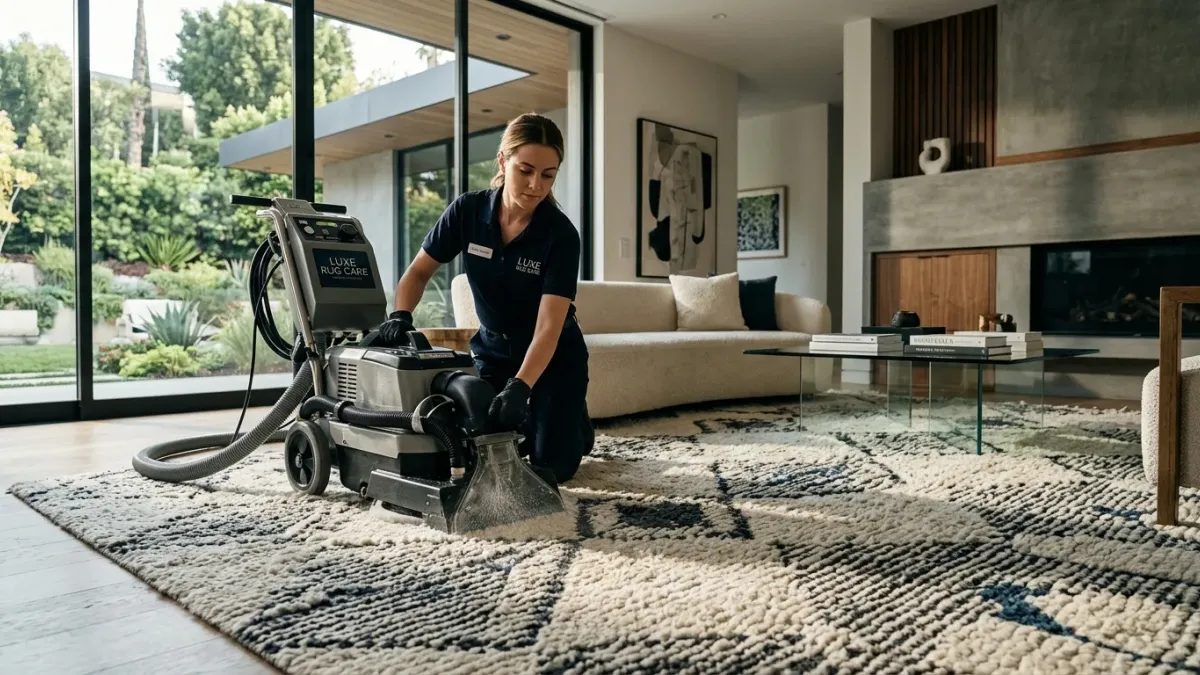
Synthetic carpets are excellent candidates for hot water extraction, commonly known as steam cleaning.
- DIY: You can rent a professional-grade carpet cleaner or purchase a home unit.
- Pre-treat: Apply a pre-treatment solution to heavily soiled areas or stubborn spots.
- Clean: Follow the machine's instructions, moving slowly and overlapping passes. Use a quality carpet cleaning solution designed for synthetic fibers.
- Rinse: Rinse thoroughly with clean water to remove all detergent residue. Leftover residue can attract new dirt quickly.
- Dry: Ensure adequate ventilation to speed up drying time and prevent mildew. Use fans or open windows.
- Professional Cleaning: For a deeper clean and to extend carpet life, schedule professional cleaning services every 6-12 months, especially for busy households.
Caring for Delicate Area Rugs: A Touch of Art
Area rugs can be made from virtually any fiber – wool, silk, cotton, jute, sisal, or synthetic blends. Their unique construction, dyes, and backings often require specialized care.
Key Considerations for Area Rugs:
- Check the Label: Always, always check the care label on your area rug. This is your most important guide.
- Fiber Variety: Treat each area rug according to its specific fiber type (as detailed above for wool and synthetics) and construction.
- Dye Stability: Some rugs, especially older or hand-dyed ones, can have unstable dyes that bleed when wet.
Everyday Maintenance for Area Rugs:
- Gentle Vacuuming: Use a low-suction setting or a hand attachment. Avoid beater bars, especially on fringed, looped, or delicate rugs. Lift the rug and vacuum underneath to remove trapped dirt and grit.
- Rotation: Rotate your rugs every 6-12 months to ensure even wear and exposure to sunlight.
Spot Cleaning Area Rugs:
- Test First: Before applying any cleaner, test it on a hidden spot to check for colorfastness.
- Blot, Don't Rub: Use minimal moisture. For natural fibers like jute or sisal, avoid water entirely and use dry cleaning methods or specialized cleaners.
Deep Cleaning Area Rugs:
- Professional Expertise: For valuable, antique, or delicate area rugs (e.g., Oriental, Persian, silk), professional rug cleaning is almost always the safest and most effective option. They have specialized facilities and methods to prevent damage.
- DIY (Extreme Caution): If you must deep clean a synthetic area rug yourself, follow the synthetic carpet guidelines, ensuring it can handle moisture, and dry it completely and quickly to prevent mildew and damage to the backing. Never machine wash rugs unless the label explicitly permits it.
- Rug Pads: Use a quality rug pad underneath to prevent slipping, protect your flooring, and extend the life of your rug by absorbing impact.
General Carpet Cleaning Tips for All Fibers
- Act Fast on Spills: The quicker you address a spill, the better your chances of full removal.
- Always Test Cleaners: Before applying any product to a visible area, test it in an inconspicuous spot.
- Blot, Don't Rub: Rubbing can spread the stain and damage carpet fibers.
- Vacuum Regularly: Regular house cleaning, especially vacuuming, is the most important maintenance step to prevent dirt from settling deep into the pile.
- Consider eco-friendly cleaners: Look for products with natural ingredients and fewer harsh chemicals for a safer home environment. Many effective eco-friendly cleaners are available.
- Professional Deep Cleaning: Even with diligent home care, carpets benefit from deep cleaning by professionals every 6-18 months, depending on traffic and household activity.
Your Carpets Deserve the Best Care
By understanding the specific needs of your wool, synthetic, or area rugs, you can ensure they remain beautiful and last longer. Implementing these cleaning tips and choosing the right products and methods will make a significant difference in your home's cleanliness and upkeep. For more expert advice on home maintenance and the best cleaning products, keep visiting Clean & Cleaner!