As a seasoned cleaning professional and home maintenance specialist, I've seen countless homeowners struggle with the wrong tools for the job. A clean floor isn't just about aesthetics; it's the bedrock of a healthy, sparkling home. Using the right mop for your specific floor type isn't just a recommendation—it's a critical step in effective house cleaning and long-term home maintenance. The wrong mop can leave streaks, fail to pick up grime, or, worse, damage your beautiful flooring, leading to costly repairs. This comprehensive guide will empower you to make informed decisions, ensuring your floors stay pristine and your cleaning efforts are always rewarded.
The Foundation: Understanding Different Mop Types
Before we dive into specific floor types, let's get acquainted with the various mops available on the market today. Each design serves a particular purpose, excelling in certain cleaning scenarios while falling short in others. Knowing their strengths and weaknesses is the first step toward smart cleaning.
Traditional and Classic Mops
These are the mops many of us grew up with, tried and true for generations, though often updated with modern materials and ergonomic designs. They form the backbone of many a house cleaning routine.
- Sponge Mops: These feature a rectangular sponge head, often equipped with a built-in lever or roller wringer. They are exceptional at absorbing spills and scrubbing textured surfaces like uneven tile, thanks to their flat, firm surface. The wringer mechanism means you can control moisture and keep your hands dry. However, if not rinsed frequently, they can push dirt around rather than picking it up, and excess water can be a concern for delicate, water-sensitive floors. Look for models with an antimicrobial sponge to prevent mildew and odors, a common issue in damp environments.
- String Mops (Cotton & Microfiber): The quintessential mop, characterized by its numerous strands. Cotton string mops are highly absorbent and ideal for large, heavily soiled areas like basements or commercial spaces, but they can become heavy when wet and take a long time to dry, potentially harboring bacteria. Microfiber string mops, on the other hand, are a significant upgrade. Microfiber's electrostatic properties make it superior at trapping dirt, dust, and grime, and it dries much faster. While both types can leave excess water if not wrung out properly, they are robust for deep cleaning very dirty floors, especially when paired with a sturdy bucket and a high-quality wringer.
Modern and Specialized Mops
Technological advancements have brought us mops designed for greater efficiency, convenience, and specialized care for delicate surfaces. These tools often integrate cutting-edge materials and thoughtful engineering to make your home maintenance tasks easier.
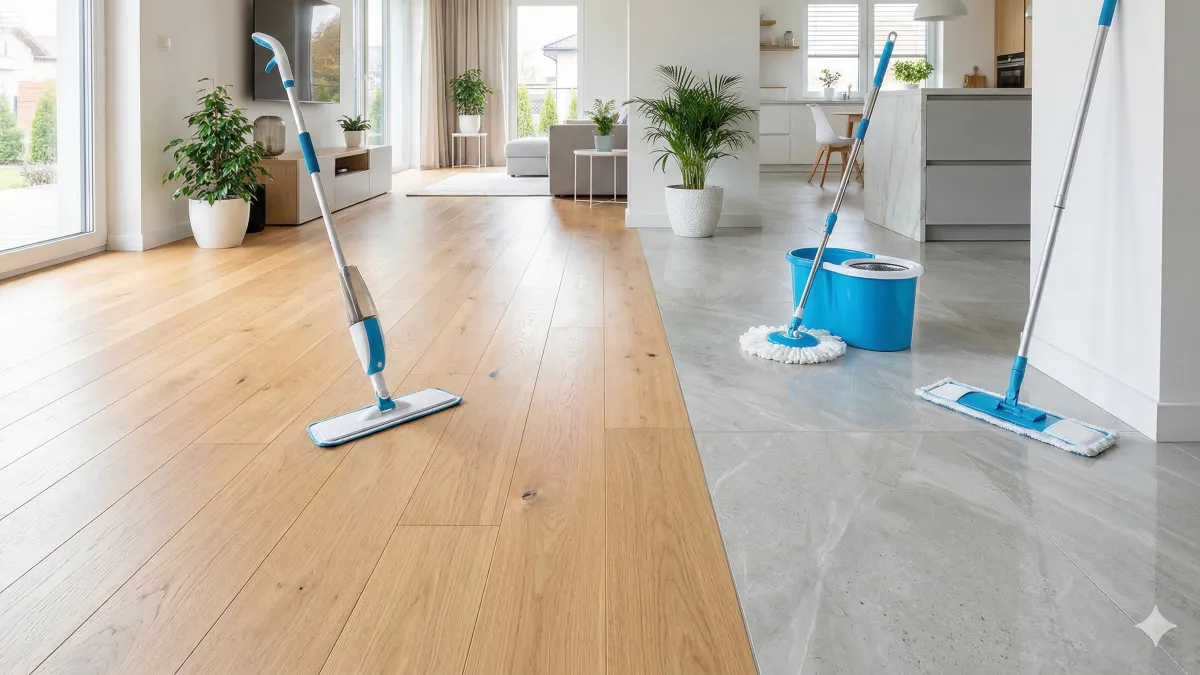
- Flat Mops (Microfiber Mops): These consist of a flat, rectangular head covered by a removable, often washable, microfiber pad. Flat mops are a godsend for delicate surfaces like hardwood and laminate because they use minimal water, dry quickly, and effectively pick up dust, dirt, and pet hair. Their pads are typically machine washable, making them an excellent choice for eco-friendly cleaners and sustainable house cleaning practices. While less effective for heavy scrubbing or very large spills, keeping several spare pads on hand allows for uninterrupted cleaning sessions.
- Spray Mops: Combining the convenience of a flat mop with an integrated spray bottle, spray mops allow you to dispense cleaning solution directly onto the floor. This eliminates the need for a bucket, offers controlled moisture—perfect for water-sensitive floors—and is ideal for quick cleanups and everyday maintenance. Brands like Swiffer WetJet or Bona Mop systems are popular examples. While their cleaning solution capacity is limited, making them less suitable for very large areas or heavy-duty scrubbing, they are unbeatable for speed and convenience on hardwood and laminate floors. Always use the manufacturer-recommended solution or your own diluted, eco-friendly cleaners to avoid damaging your floor or mop mechanism.
- Spin Mops: Often an evolution of the microfiber string mop, spin mops are paired with a bucket featuring a foot-pedal or hand-press spinning mechanism to wring out excess water. This design significantly reduces physical effort during wringing and offers superior control over moisture levels, which is crucial for floors like hardwood or laminate. Models like the O-Cedar EasyWring Spin Mop are highly popular for their efficiency. While the bucket can be bulky to store, the ability to rinse thoroughly and achieve the perfect dampness makes them fantastic for efficient house cleaning across various floor types, robust enough for tile yet gentle enough for wood.
- Steam Mops: These ingenious devices use hot steam to clean and sanitize floors without harsh chemicals, providing a truly deep cleaning experience. Steam mops are fantastic for killing germs, bacteria, and removing stubborn grime, making them a top choice for homes with pets or allergy sufferers seeking chemical-free cleaning. Popular models include the Shark Steam Mop or Bissell PowerFresh. However, extreme caution is necessary: steam mops can damage unsealed hardwood, laminate, or certain vinyl floors due to the combination of heat and moisture, leading to warping, swelling, or adhesive failure. Always check your flooring manufacturer's recommendations; they are best reserved for sealed tile, vinyl, linoleum, and sealed stone floors.
Matching Your Mop to Your Floor Type: A Detailed Breakdown
Now that you understand the different mop types, let's get practical. Choosing the right mop is about understanding your floor's vulnerabilities and strengths. This section offers targeted advice for the most common flooring materials, ensuring your home maintenance efforts are effective and safe.
Hardwood Floors: The Delicate Dance
Hardwood floors, whether solid or engineered, are susceptible to water damage. Excess moisture can cause warping, cupping, or even the breakdown of finishes. Therefore, the key to cleaning hardwood is minimal moisture. Flat microfiber mops are ideal as they allow for damp cleaning without oversaturating the wood. Spray mops provide excellent control over liquid dispensing, preventing pooling. If you opt for a spin mop, ensure it's extremely well-wrung out, leaving the pad barely damp. Avoid traditional cotton string mops, which can leave too much water. When considering a steam mop, verify with your flooring manufacturer that your specific hardwood is sealed and rated for steam cleaning; otherwise, it's a definite no-go. For general cleaning, a pH-neutral wood floor cleaner or a diluted solution of water and white vinegar (check manufacturer guidelines) applied with a spray mop or a microfiber flat mop is typically best.
Laminate Floors: Water's Foe
Laminate floors, while durable, are even more sensitive to water than hardwood. The core of laminate planks is typically made of high-density fiberboard, which will swell and warp irrevocably if exposed to excessive moisture. Consequently, the golden rule for laminate is to use a damp, not wet, mop. Flat microfiber mops and spray mops are your best friends here, as they deliver controlled, minimal moisture. Again, if using a spin mop, wring it out until it's almost dry to the touch. Under no circumstances should you use a steam mop on laminate unless the manufacturer explicitly states it's safe for your specific product—most will advise against it due to the risk of delamination and swelling. Always sweep or vacuum laminate floors thoroughly before mopping to prevent scratching from trapped grit.
Tile and Grout: The Scrubbing Challenge
Tile floors, whether ceramic, porcelain, or natural stone, are generally robust and can handle more water than wood-based flooring. The real challenge with tile is often the grout, which can trap dirt and become discolored. Sponge mops are excellent for scrubbing textured tile and getting into grout lines, especially when paired with a mild, alkaline cleaner. String mops (both cotton and microfiber) are also effective for general cleaning and tackling heavily soiled areas. For a truly deep cleaning and sanitizing experience, steam mops are unparalleled on sealed tile and grout. The high heat effectively loosens grime and kills bacteria without chemicals. For persistent grout stains, consider a specialized grout brush and a hydrogen peroxide-based cleaner, or even a professional cleaning service for a restorative clean.
Vinyl and Linoleum: Versatile & Durable
Vinyl and linoleum floors are highly versatile and forgiving, making them suitable for a wide range of mop types. They are generally water-resistant and durable, standing up well to most cleaning methods. Sponge mops, flat microfiber mops, and string mops all perform admirably for general house cleaning. For regular maintenance, a flat microfiber mop with a diluted all-purpose cleaner works wonders. Steam mops are typically safe and highly effective for sanitizing vinyl and linoleum, providing a deep clean without harsh chemicals. Always sweep or vacuum first to remove loose debris that could cause scratches. Avoid abrasive cleaners or scrubbing pads that could dull the finish over time.
Sealed Stone (Marble, Granite, Travertine): The Gentle Touch
Natural stone floors are luxurious but demand gentle care. They are often porous, even when sealed, and can be sensitive to acidic or alkaline cleaners, which can etch or dull the surface. For sealed stone, flat microfiber mops and spray mops are excellent choices, using only pH-neutral cleaners specifically formulated for stone. Always check the cleaner's label. Spin mops, well-wrung, can also be used. Steam mops might be acceptable on very well-sealed stone, but always perform a patch test in an inconspicuous area first, or consult your installer. Avoid sponge mops with abrasive scrubbers, and steer clear of harsh chemicals like bleach or ammonia, which can damage the stone or compromise the sealant. Regular dust mopping is crucial to prevent scratching from grit.
Here's a quick comparison of mop types:
| Mop Type | Best For | Moisture Control | Scrubbing Power | Pros | Cons |
|---|---|---|---|---|---|
| Sponge Mop | Tile, Linoleum, Vinyl | Good (wringer) | High | Absorbs spills, scrubs textured surfaces, easy wringing. | Can push dirt, not for delicate floors, needs frequent rinsing. |
| String Mop (Microfiber) | High-traffic Tile, Concrete, Deep Cleaning | Moderate (with good wringer) | High | Traps dirt, absorbent, good for large areas. | Can leave excess water, bulky bucket, slower drying than flat. |
| Flat Mop (Microfiber) | Hardwood, Laminate, Sealed Stone, Quick Cleanups | Excellent (damp) | Low-Medium | Minimal water, picks up dust, eco-friendly pads, quick drying. | Less effective for heavy spills/scrubbing, pads need changing. |
| Spray Mop | Hardwood, Laminate, Quick Cleanups | Excellent (controlled spray) | Low | No bucket, convenient, ideal for water-sensitive floors. | Limited solution capacity, not for heavy-duty scrubbing. |
| Spin Mop | All (with moisture control) | Excellent (foot/hand pedal) | Medium-High | Less effort, thorough rinsing, great moisture control. | Bulky bucket for storage. |
| Steam Mop | Sealed Tile, Vinyl, Linoleum, Sealed Stone | Very Low (steam) | High (with heat) | Sanitizes, deep cleaning, chemical-free. | Requires electricity, can damage unsealed floors, no scrubbing. |
Beyond the Mop: Essential Mop Maintenance & Cleaning Tips
Acquiring the right mop is only half the battle; proper maintenance of your cleaning tools and a smart cleaning strategy are equally vital for effective home maintenance. A dirty mop won't clean your floors—it'll just spread grime and bacteria, undoing all your hard work.
Extending Your Mop's Lifespan
To ensure your mop remains an effective cleaning tool, regular cleaning and proper storage are paramount. For microfiber pads and string mop heads, machine washing after each significant use (or when visibly soiled) is crucial. Always rinse them thoroughly in warm water, preferably with a mild detergent, and air dry completely to prevent mildew growth and unpleasant odors. For sponge mops, rinse the sponge head thoroughly under running water, squeezing out all cleaning solution and debris, then allow it to air dry upright. Replacing mop heads or pads when they become worn, discolored, or lose their effectiveness is also an important part of proactive home maintenance, typically every 3-6 months depending on usage and material.
The Importance of Cleaning Solutions
The cleaning solution you pair with your mop is just as important as the mop itself. Always choose solutions appropriate for your floor type; for instance, pH-neutral cleaners for stone and wood. Many homeowners are increasingly opting for eco-friendly cleaners, such as diluted white vinegar (for non-stone/non-wood floors), baking soda solutions, or plant-based commercial cleaners. Always dilute concentrated cleaners according to manufacturer instructions to avoid residue buildup or damage. A common mistake is using too much soap, which can leave a sticky film that attracts more dirt. When in doubt, perform a patch test in an inconspicuous area to ensure the cleaner doesn't react negatively with your flooring.
Enhancing Your House Cleaning Routine
Effective mopping begins before you even introduce water. Always start by thoroughly sweeping or vacuuming your floors to remove loose dirt, dust, and pet hair. This prevents grit from becoming abrasive particles that can scratch your floor or turn your mop water into muddy sludge. For areas requiring deep cleaning, consider pre-treating stubborn spots or stains before mopping. Work in sections, changing your mop water or rinsing pads frequently to avoid simply redistributing dirt. For instance, with a spin mop, rinse the mop head in the bucket's clean water section, then spin it to dry before applying it back to the floor. Always mop your way out of a room to avoid walking over freshly cleaned areas.
When to Call in the Professionals: Understanding Professional Cleaning Services
While DIY house cleaning with the right mop can keep your home sparkling, there are times when professional cleaning services offer invaluable benefits. For instance, if your grout lines are heavily stained beyond what a steam mop can handle, or if your natural stone floors have lost their luster and require specialized honing and sealing, professionals have the equipment and expertise to restore them. They can also provide periodic deep cleaning for your entire home, tackling areas often overlooked and ensuring every surface is immaculate. Consider bringing in the pros annually or bi-annually for a comprehensive floor revitalization, especially for high-traffic areas or before special occasions. It’s an investment that can significantly extend the life and beauty of your flooring.
Choosing the best mop for your floor type isn't just about owning a tool; it's about making an informed decision that protects your investment and simplifies your home maintenance routine. By understanding the nuances of different mops and matching them to your specific flooring, you'll achieve cleaner floors with less effort, ensuring your home is not only sparkling but also well-cared for in the long run. Happy mopping!