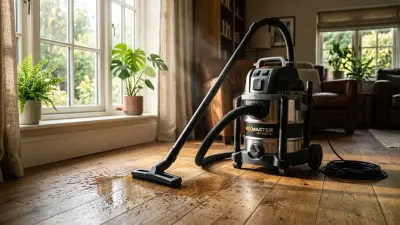
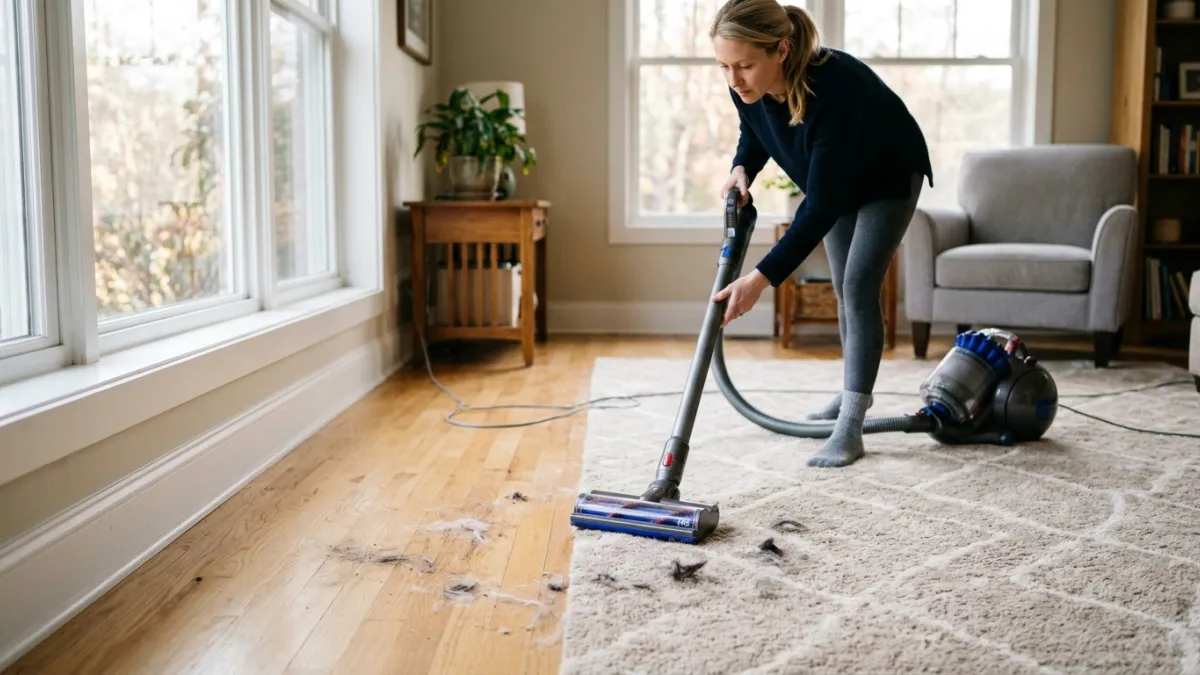
Living with furry companions brings immense joy, but it also creates a relentless cleaning routine. Dog and cat hair behaves completely differently depending on the surface it lands on. On smooth hardwood, loose fur drifts into light tumbleweeds that easily scatter when hit by high-speed air vents or aggressive brushrolls. On carpeted surfaces, static electricity and mechanical friction weave pet hair deep into textile fibers, requiring heavy-duty suction and physical agitation to pull free. Choosing a machine capable of handling both floor types without scratching wood finishes or losing suction on thick rugs requires evaluating specific engineering features rather than relying on marketing claims.
Quick answer: The ideal vacuum for pet hair on mixed surfaces features adjustable suction controls, a dual-brushroll floorhead (or brushroll shut-off), and a completely sealed HEPA filtration system. Models with at least 150 Air Watts of suction power and anti-tangle rubber vanes successfully lift embedded fur from carpets while preventing fine dust and pet dander from blowing back into your living space.
Key Features to Look For in a Dual-Surface Pet Hair Vacuum
When selecting a vacuum for a home with mixed flooring, raw power is only one part of the equation. High airflow combined with intelligent floorhead design determines whether a vacuum actually lifts hair or simply pushes it across the floor. Understanding key specs helps you make an informed investment that simplifies daily house cleaning.
Suction Power and Airflow Metrics (AW vs. Pa)
Vacuum performance is typically measured in Air Watts (AW) or Pascals (Pa). Air Watts measure the total efficiency of suction and airflow combined at the cleaner head, while Pascals measure raw vacuum pressure. For homes with medium-to-high pile carpets, target a cordless stick vacuum rated at 150 AW to 240 AW (such as the Dyson V15 Detect), or a corded upright/canister machine generating between 18,000 Pa and 25,000 Pa of pressure. High airflow prevents heavy pet hair from clogging internal ductwork and ensures continuous suction during deep cleaning sessions.
Brushroll Design and Anti-Tangle Technology
Traditional bristled brushrolls quickly become wrapped tightly in long pet hair, reducing vacuum efficiency and forcing manual cutting. Modern pet vacuums incorporate self-cleaning brushrolls, rubberized vanes, or dual-roller heads. Dual-roller systems combine a soft plush roller in the front to capture fine dust and mop up loose hair on hardwood without scratching, alongside a stiff bristled rear roller that agitates carpet fibers. Look for machines with hair-removal combs built into the floorhead shroud to clear wrapped strands automatically while cleaning.
Sealed HEPA Filtration and Odor Management
Pet hair carries microscopic dander, dried saliva, and outdoor allergens that get disturbed during vacuuming. A standard filter allows tiny particles under 10 microns to blow straight through the exhaust port back into your room. Always select a vacuum with a fully sealed HEPA (High-Efficiency Particulate Air) filtration system. True HEPA filters capture 99.97% of airborne particles down to 0.3 microns. Additionally, vacuums equipped with activated carbon or charcoal filters absorb volatile organic compounds and persistent pet odors, leaving indoor air noticeably fresher after home maintenance routines.
Hardwood vs. Carpet: Managing Pet Hair Across Different Floor Types
Cleaning hardwood floors requires a gentle approach to preserve protective clear coats, whereas carpets demand aggressive mechanical agitation. Using the wrong brushroll setting or floorhead attachment can dull wood finishes or leave half of the pet fur embedded in your rug fibers.
On hardwood, engineered plank, or tile, traditional stiff bristle rollers can act like miniature sandpaper, leaving micro-scratches over time. Furthermore, fast-spinning brushrolls generate high-velocity airflow that scatters pet hair away from the suction path before the vacuum can capture it. Look for vacuums featuring a dedicated soft velvet roller or a manual brushroll shut-off switch. Disengaging the brushroll allows raw suction to pull hair smoothly into the dustbin without scattering debris across bare floors.
Carpeted areas present the opposite challenge. Pet hair clings to synthetic and natural carpet fibers through static attraction and physical entanglement. To lift embedded fur, the vacuum must combine high airflow with motor-driven agitation. Multi-surface vacuums often include manual carpet pile adjustment knobs or automated floor sensors that dynamically increase motor speed when transitioning from bare wood to high-pile carpet. Adjusting height settings maintains proper seal contact with the carpet surface without choking off motor airflow.
Cleaner's tip: When vacuuming high-pile carpet for pet hair, slow down your stroke speed. Pushing the vacuum forward quickly only sweeps the surface; pulling the floorhead back slowly gives the motorized brushroll enough contact time to unweave stubborn pet hair from the base of the carpet pile.
Comparing Top Pet Vacuums Across Flooring Types
Selecting the right vacuum model depends on your balance of bare floor versus carpeted square footage, budget, and preference for corded runtime versus cordless portability. Below is a comparison of top-rated pet vacuums engineered for mixed surfaces.
| Model & Type | Suction Rating | Hardwood Suitability | Carpet Performance | Filtration System |
|---|---|---|---|---|
| Dyson V15 Detect (Cordless Stick) | 230 AW | Excellent (Fluffy Optic head prevents scratches) | Very Good (Auto-adjusting Motorbar head) | Whole-machine sealed HEPA filter |
| Shark Stratos (Corded / Cordless) | 200 AW / High Pa | Excellent (DuoClean soft roller front) | Excellent (Self-cleaning power brushroll) | Anti-Allergen Complete Seal HEPA |
| Bissell CleanView Swivel Pet (Corded Upright) | 18,000 Pa | Good (Manual brushroll control) | Excellent (Triple Action brushroll) | Multi-stage filtration with washable filter |
| Miele Complete C3 Cat & Dog (Canister) | 1,200 W (25,000 Pa) | Superior (Parquet Twister head) | Superior (Electro Plus motorized head) | Active AirClean HEPA with charcoal layer |
Essential Maintenance to Keep Your Pet Vacuum Operating at Peak Suction
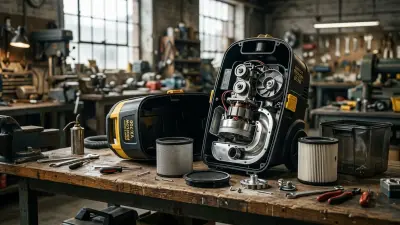
Even the highest-rated pet vacuum will quickly lose suction if dander, hair, and fine dust accumulate inside internal airways and filter assemblies. Establishing a routine maintenance schedule keeps your equipment performing like new and extends motor lifespan.
- Clean Pre-Motor and HEPA Filters: Wash foam and fabric pre-motor filters once a month under cool tap water without soap. Allow them to air-dry completely for 24 hours before reinserting. Never operate a vacuum with a damp filter, as moisture creates a breeding ground for mold and mildew inside the dustbin. Replace non-washable HEPA cartridges every 6 to 12 months.
- Inspect and Clear the Brushroll Assembly: Check the roller housing weekly for wrapped thread, ribbon, or long hair strands. Even tangle-free rollers can collect hair around the end caps and bearing pins. Wipe down roller bearings to prevent friction buildup, which can melt plastic components or cause drive belts to snap.
- Wash and Sanitize the Dustbin: Fine pet dander builds up sticky static residue on plastic dustbin walls. Empty the container after every heavy cleaning session. Once a month, detach the bin and wash it with warm water and mild, neutral pH dish soap (pH 7.0). Avoid harsh bleach solutions, chemical solvents, or hot water above 120°F (49°C), which can distort plastic latches and compromise rubber airtight seals.
- Check Hoses and Wand Airways: Clumps of damp pet fur mixed with kitty litter or dry dog food can form blockages inside flexible suction hoses. Drop a small marble or coin through the extension wand; if it does not fall straight through, clear the obstruction using a broom handle or flexible duct snake.
How to Choose the Right Pet Vacuum for Your Home
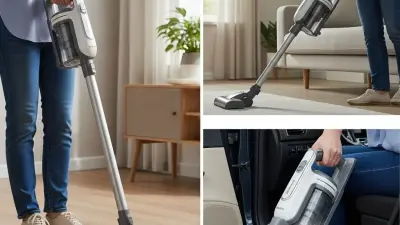
For small-to-medium homes with predominantly hardwood floors and area rugs, a lightweight cordless stick vacuum featuring a dual-roller head and sealed HEPA filter offers the best combination of agility and convenience. Larger multi-story homes with plush wall-to-wall carpets and multiple heavy-shedding pets benefit most from a high-capacity corded upright or canister vacuum equipped with a motorized electro-brush, high Air Wattage rating, and an active carbon odor filter. Investing in a machine built with specialized floorheads and sealed filtration ensures your house cleaning routine remains fast, hygienic, and effective on every surface.
Frequently Asked Questions
How often should I vacuum pet hair on mixed floors?
High-traffic areas with hardwood and carpet should be vacuumed every two to three days in homes with single pets, and daily in households with multiple shedding dogs or cats. Frequent vacuuming prevents pet hair from being crushed into carpet backing or ground into hardwood seams.
Is a cordless stick vacuum powerful enough for heavy pet shedding on thick carpet?
Modern premium cordless stick vacuums generating 150 to 230 Air Watts provide sufficient suction for deep carpet cleaning. However, for large homes with deep-pile carpeting, corded uprights or canisters are often preferred due to unlimited runtime and larger dustbin capacities.
Can a carpet brushroll damage delicate hardwood floors?
Yes, aggressive stiff nylon bristles spinning at high speeds can wear down protective polyurethane coats and leave micro-scratches on hardwood floors. Always use a vacuum with a brushroll shut-off switch, adjustable pile height, or a plush soft roller specifically designed for bare floors.
What is the difference between Air Watts and Pascals when buying a vacuum?
Air Watts (AW) measure overall suction power combined with airflow efficiency at the floorhead, making it the most accurate performance metric for stick and upright vacuums. Pascals (Pa) measure raw suction vacuum pressure, commonly used to rate robot vacuums and canister units.
Sources
- Dyson Vacuum Technology & Airflow Engineering Manuals
- Bissell Floor Care & Pet Hair Maintenance Guides
- US Environmental Protection Agency (EPA) - Guide to Indoor Air Quality and HEPA Filtration
Looking for the Right Supplies?
Check out our verified Top Cleaning Products & Tools on Amazon.
As an Amazon Associate, we earn from qualifying purchases.