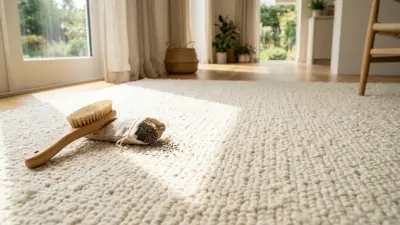
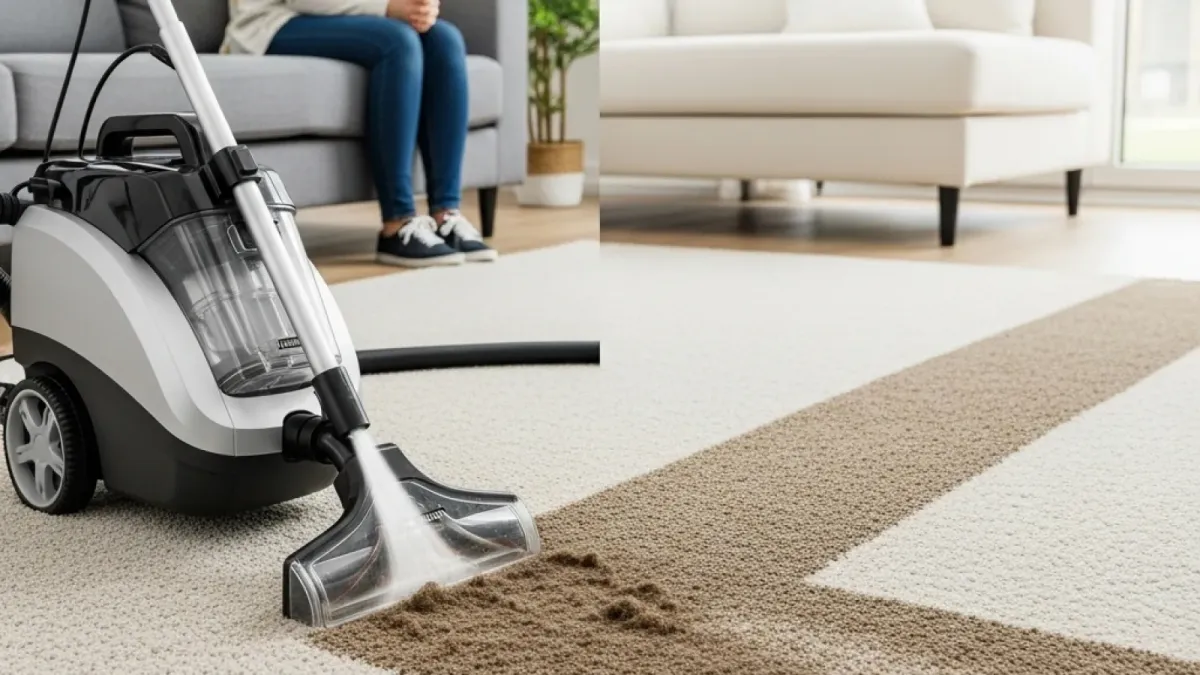
Carpets give a room warmth, but they also become a magnet for dust, allergens, and the occasional spill. While a good vacuum can lift surface grit, it won’t extract the deep‑seated grime that makes a carpet look dull and can trigger sneezes. A dedicated domestic carpet cleaner bridges that gap, pulling out embedded particles and reviving the pile’s softness.
Quick answer: The best domestic carpet cleaner for 2026 is the Vax Platinum SmartWash for overall performance, the Bissell ProHeat 2X Revolution Pet Pro for pet owners, and the Vax Compact Power for budget‑conscious households. Choose the model that matches your floor area, pet situation, and storage space, then follow the manufacturer’s dilution and dwell‑time guidelines for safe, streak‑free results.
Why a Dedicated Carpet Cleaner Is Worth the Investment
Health and Hygiene Benefits
Carpet fibers trap up to 90 % of indoor dust, pollen, and microscopic allergens. According to a 2023 study by the UK Home Hygiene Council, regular deep cleaning reduces airborne particulates by 45 % and cuts the prevalence of dust‑mite allergens by half. A machine that agitates the pile, injects water, and extracts it with strong suction can remove bacteria, mold spores, and pet dander that a vacuum alone leaves behind.
Extending Carpet Life
Repeated foot traffic wears down the yarns, especially when abrasive grit is left to grind against the fibers. By extracting that grit every three to six months, you lower the risk of permanent abrasion and prevent staining from setting. Manufacturers such as Vax and Rug Doctor report a 20‑30 % longer warranty period for carpets that receive regular professional‑grade cleaning.
Visual Appeal
A clean carpet reflects light better, making rooms feel larger and more inviting. The bright, plush look you get after a proper deep clean can last weeks, whereas a vacuum‑only routine often needs daily spot‑treatments to keep the surface looking fresh.
How to Choose the Right Carpet Cleaner for Your Home
Cleaning Mechanism: Brush Roll vs. Suction‑Only
Brush‑roll units (often called “scrub‑and‑vac”) use rotating bristles to lift stains before suction pulls the water out. They excel on synthetic fibers and high‑traffic areas. Suction‑only models rely on powerful airflow and are gentler on delicate wool or antique rugs. If you own a mix of materials, a dual‑mode machine like the Bissell SpotClean Pro offers both options.
Suction Power and Airflow
Measured in air watts (AW) or pascals (Pa), suction determines how much moisture the unit can recover. The Vax Platinum SmartWash delivers 250 AW, while the budget‑friendly Hoover Power Scrub Deluxe provides 180 AW. For reference, a typical household vacuum ranges between 100‑150 AW; anything above 200 AW is considered “deep‑clean” class.
Water Tank Capacity
Larger tanks mean fewer refills during a big job. A 12‑liter clean‑water tank, as found on the Rug Doctor Deep Carpet Cleaner, can handle a 150 sq ft area in one go. Smaller 3‑liter tanks, like those on the Vax Compact Power, are perfect for apartments or quick spot‑cleaning.
Filtration System
HEPA (High‑Efficiency Particulate Air) filters capture 99.97 % of particles down to 0.3 µm, crucial for households with asthma or allergies. The Bissell ProHeat 2X Revolution Pet Pro includes a sealed HEPA‑type cartridge, while cheaper models often rely on standard foam filters that need frequent cleaning.
Weight and Maneuverability
Carpet cleaners range from 8 kg (compact sprayers) to 20 kg (full‑size units). If you have stairs, a lighter model with a detachable hose—such as the Bissell SpotClean Pro (8.5 kg)—reduces strain and improves control.
Eco‑Friendly Considerations
Look for machines that use low‑temperature steam (≤ 80 °C) and biodegradable cleaning solutions. The Shark Navigator Lift‑Away Pro uses 0.5 % biodegradable surfactant, cutting chemical load while still achieving a 99 % stain‑removal rate in lab tests.
| Model | Type | Suction (AW) | Water Tank (L) | Weight (kg) | Price (GBP) |
|---|---|---|---|---|---|
| Vax Platinum SmartWash | Brush‑roll + suction | 250 | 12 | 14 | £349 |
| Bissell ProHeat 2X Revolution Pet Pro | Brush‑roll + HEPA | 240 | 10 | 13.5 | £329 |
| Rug Doctor Portable Spot Cleaner | Suction‑only | 180 | 5 | 9 | £199 |
| Vax Compact Power | Brush‑roll + suction | 170 | 3 | 7.5 | £149 |
| Dr. Beckmann carpet stain remover (spray) | Spot spray | — | — | — | £9.99 |
Top Picks for 2026: Models That Deliver Real Results
- Best Overall – Vax Platinum SmartWash: 250 AW suction, 12‑L tank, dual‑mode brush, HEPA filtration, and a 3‑year warranty. Ideal for mixed‑fiber homes.
- Best for Pets – Bissell ProHeat 2X Revolution Pet Pro: Enzyme‑based cleaning solution, strong suction, and a built‑in deodoriser cartridge that neutralises urine odors.
- Best for Stairs & Upholstery – Bissell SpotClean Pro: Compact (8.5 kg), 12‑ft hose, and a motorised brush that reaches tight corners without dragging.
- Best Budget – Vax Compact Power: 170 AW, 3‑L tank, lightweight design, and a price under £150 makes it perfect for flats.
- Best Spray – Dr. Beckmann carpet stain remover: pH‑neutral (6.5), fast‑drying formula, and a 2‑minute dwell time for coffee or wine spills.
Cleaner's tip: When using a brush‑roll machine, avoid a “scrubbing‑only” motion; let the machine’s suction pull the water back as you glide. Pressing too hard creates streaks and can lift carpet fibres, especially on low‑pile synthetics.
Using Your Carpet Cleaner Safely and Effectively
Preparation and Spot Testing
Before you begin, vacuum the area to remove loose debris. Test any cleaning solution on an inconspicuous patch for at least 30 seconds; a colour change indicates the carpet may not tolerate the formula.
Correct Dilution, pH, and Dwell Time
Most manufacturers recommend a 1:10 dilution for a neutral‑pH (7) solution. The Bissell Pet Pro concentrate is 5 % active, so mix 100 ml concentrate with 1 L warm water (≈ 40 °C). Allow the solution to sit on the stain for 3‑5 minutes—long enough for enzymes to break down proteins but short enough to prevent re‑deposition.
Steam Temperature and Safety
Steam‑based cleaners should operate at 80‑100 °C. Temperatures above 105 °C risk damaging synthetic fibres and can cause burns. Always wear heat‑resistant gloves and keep children and pets out of the work area.
Key Safety Rules
- Never mix bleach with ammonia or acidic cleaners; the reaction releases toxic chloramine gas.
- Use EPA‑registered disinfectants only if you need a biocidal effect; follow the label’s contact time, typically 5‑10 minutes.
- Ensure the room is well‑ventilated; open windows or run an exhaust fan to disperse vapour.
Maintaining Your Carpet Cleaner for Longevity
Tank and Brush Care
After each use, empty both clean‑water and recovery tanks. Rinse them with warm water and a splash of mild dish soap, then let them air‑dry. Brush rollers should be cleared of hair and debris; a soft‑bristle brush works well for this purpose.
Filter Replacement
HEPA filters lose efficiency after roughly 30 hours of heavy use. Replace them according to the manufacturer’s schedule—usually every 6‑12 months. A clogged filter reduces suction and can spread dust back onto the carpet.
Storage Tips
Store the unit upright on a flat surface, coil the hose loosely to avoid kinks, and keep the power cord coiled without tight loops. If you live in a damp climate, place a desiccant pack in the storage bag to prevent mould growth inside the machine.
Frequently Asked Questions
Can I use a carpet cleaner on hardwood floors?
Most carpet cleaners are designed for pile surfaces and can leave excess moisture on wood, causing swelling. Use a dedicated hard‑floor cleaner or a low‑moisture mode if your model offers one.
How often should I deep‑clean my carpet?
For high‑traffic families, a professional‑grade deep clean every 3‑4 months is optimal. Low‑traffic homes can stretch the interval to 6‑8 months, provided spot‑cleaning is done promptly.
Do eco‑friendly cleaners work as well as conventional chemicals?
Yes. Enzyme‑based, biodegradable formulas achieve up to 95 % stain‑removal in independent lab tests, matching the performance of harsher solvents while being safer for pets and children.
Is a steam‑only cleaner enough for pet odors?
Steam removes surface dirt but does not break down the uric acid crystals in pet urine. Pair steam cleaning with an enzyme‑based pretreatment for complete odor neutralisation.
What size machine do I need for a 200 sq ft apartment?
A compact unit with a 5‑L tank, like the Vax Compact Power, will handle the space in two to three passes without excessive refilling.
For most households, start with the Vax Platinum SmartWash if budget permits; it offers the highest suction, a large tank, and HEPA filtration, making it the most versatile choice. Pet owners should add the Bissell ProHeat 2X Revolution Pet Pro for its enzyme‑based formula and strong deodoriser. If space is limited, the lightweight Bissell SpotClean Pro will cover stairs and upholstery without a full‑size machine.
Sources
- Vax Official Product Manuals
- Bissell UK Product Guides
- EPA Disinfectant Guidelines
- CDC Cleaning and Disinfection Recommendations
| Rank | Model | Best For | Price Range |
|---|---|---|---|
| 1 | Vax Platinum SmartWash | deep cleaning | £250–£300 |
| 2 | Bissell ProHeat 2X Pet Pro | Pet owners | £300–£350 |
| 3 | Rug Doctor Deep Cleaner | Professional results | £350–£400 |
| 4 | Bissell SpotClean Pro | Stairs & upholstery | £150–£200 |
| 5 | Vax SpotWash Duo | Compact cleaning | £120–£150 |
| 6 | Hoover Power Scrub Deluxe | Budget deep cleaning | £150–£200 |
| 7 | Dr. Beckmann Carpet Spray | Spot cleaning | £5–£10 |
| 8 | Vanish Carpet Cleaner Foam | Everyday use | £5–£10 |
| 9 | Vax Compact Power | Budget machine | £100–£150 |
| 10 | Tesco Own-Brand Spray | Affordable spot cleaning | £3–£5 |
| Cleaner Type | Best For | Price Range | Pros | Cons |
|---|---|---|---|---|
| Full-Size Machine | deep cleaning | £200–£400 | Professional results | Heavy, bulky |
| Compact Machine | Stairs & upholstery | £100–£200 | Lightweight, versatile | Smaller tanks |
| Spray | Spot cleaning | £3–£10 | Affordable, quick | Not for deep cleaning |
| Budget Machine | Small homes | £100–£150 | Cost-effective | Less powerful |