Quick answer: Eco-friendly floor care combines pH-balanced natural ingredients with high-efficiency equipment like 300+ GSM microfiber mops and sealed HEPA vacuums. For everyday upkeep, a simple mixture of warm water and plant-based castile soap protects floor finishes, while commercial solutions like Bona Free & Simple or Aunt Fannie's offer certified non-toxic deep cleaning without chemical residues.
Understanding the Chemistry of Green Floor Cleaning
Every floor material reacts differently to chemical pH levels, making formula selection critical to avoiding dulling or stripping protective finishes. Acidic solutions with a low pH (around 2.0 to 3.0), such as standard white distilled vinegar, excel at dissolving hard water minerals and soap scum on glazed porcelain or ceramic tiles. However, applying acidic mixtures to sealed hardwood or natural stone surfaces like marble and limestone causes acid etching and gradual breakdown of polyurethane sealant coats. For these sensitive finishes, neutral cleaning formulas maintaining a balanced pH between 6.5 and 7.5 are mandatory to lift grime safely without destroying surface sheen.
According to research by the U.S. Environmental Protection Agency (EPA), indoor air concentrations of common organic pollutants can be two to five times higher than outdoor levels, largely driven by traditional household aerosol sprays and chemical cleaners. Transitioning to eco-friendly cleaners certified by independent organizations—such as the EPA Safer Choice program or USDA Biobased certifications—ensures that active surfactants degrade rapidly in water systems without bioaccumulating or irritating human respiratory tracts. Plant-based non-ionic surfactants derived from coconut or corn oil effectively emulsify grease and surface oils, allowing them to bind to water molecules for easy rinsing.
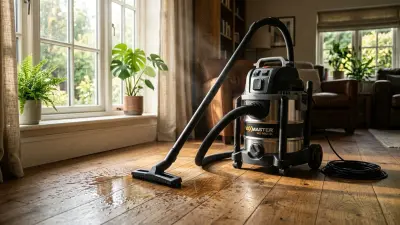
Equipment selection plays an equally vital role in sustainable house cleaning. Utilizing a vacuum system equipped with a sealed HEPA filter rated to capture 99.97% of airborne particles down to 0.3 microns ensures fine dust, pet dander, and allergens are trapped rather than redistributed across freshly washed surfaces. Furthermore, pair your liquid solutions with high-density microfiber pads rated at 300 to 400 grams per square meter (GSM). Microfiber's microscopic split fibers mechanically grab and hold dirt particles through electrostatic force, reducing the total volume of liquid cleaner needed by up to 50% compared to standard cotton string mops.
Effective DIY Eco-Friendly Floor Cleaner Recipes
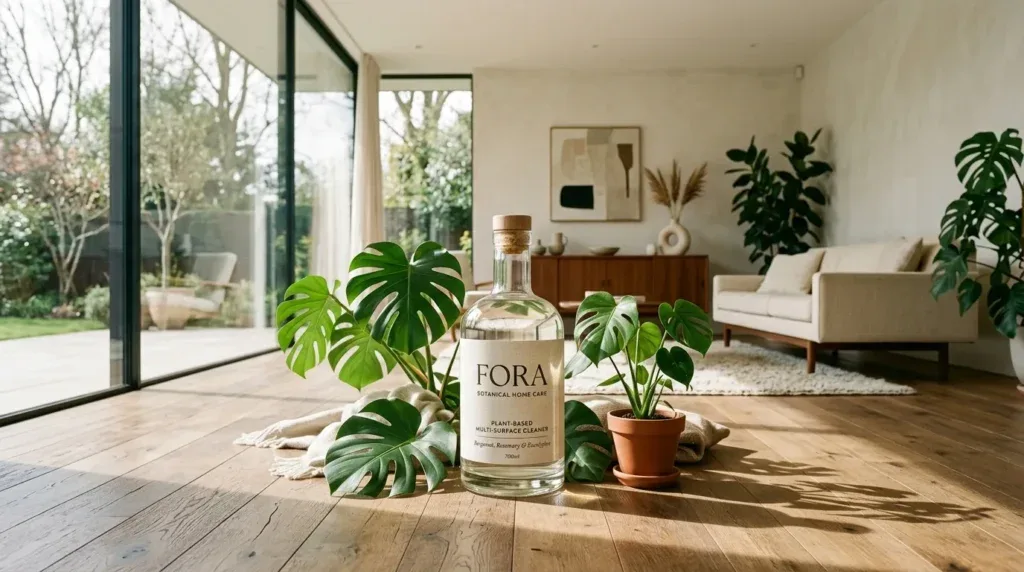
Crafting custom floor cleaning solutions at home allows full control over ingredients while significantly cutting plastic container waste and expense. For sealed hardwood, engineered wood, and luxury vinyl plank (LVP) flooring, a gentle neutral cleaner provides excellent lifted soil removal without leaving sticky residues behind. Combine 2 cups of warm distilled water, 1/4 cup of vegetable-based liquid castile soap, and 10 drops of sweet orange or lavender essential oil in a spray bottle. Spray this fine mist lightly ahead of a flat microfiber mop pad, ensuring wood flooring never becomes saturated with excess moisture.
When tackling high-traffic tile, grout lines, or linoleum, a slightly stronger surfactant mixture breaks down ground-in dirt and kitchen grease. In a bucket, combine 1 gallon of hot water (around 120°F or 49°C), 1/2 cup of washing soda (sodium carbonate) for boosted alkalinity, and 2 tablespoons of liquid castile soap. The elevated pH of washing soda (around pH 11) easily emulsifies stubborn soil without needing aggressive petroleum solvents. Always remember basic cleaning safety: never mix chlorine bleach with ammonia or acidic agents like vinegar, as doing so releases hazardous chloramine gas into your home atmosphere.
Cleaner's tip: Over-wetting hardwood or laminated wood is the single fastest way to cause board swelling and edge cupping. Dampen your microfiber mop pad with your cleaner spray until it feels barely moist to the touch; if you see visible puddles or water beads taking longer than 60 seconds to evaporate, your mop pad is far too wet.
Comparing Top Commercial Eco-Friendly Floor Cleaners
For homeowners who prefer ready-to-use formulas without measuring home ingredients, several eco-conscious manufacturers deliver professional cleaning results. Selecting the right product requires evaluating floor material compatibility, concentration ratios, and third-party certifications. The comparison table below highlights top-rated eco-friendly floor cleaners currently on the market:
| Product Name | Best Surface Use | pH Level | Dilution / Application | Key Certifications |
|---|---|---|---|---|
| Bona Free & Simple Hardwood Cleaner | Sealed Hardwood, Engineered Wood | Neutral (7.0) | Ready-to-use spray bottle | Safer Choice Certified, GREENGUARD Gold |
| Better Life Simply Floored | Tile, Vinyl, Laminate, Slate | Neutral (6.8–7.2) | Squirt directly onto floor | Leaping Bunny, USDA Certified Biobased |
| Aunt Fannie's Vinegar Wash Concentrated | Ceramic Tile, Sealed Vinyl, Porous Stone (non-marble) | Acidic (approx. 2.5) | 1/2 cup per 2 gallons water | EWG A-Rated, Dermatologist Tested |
| Method Squirt + Mop Hard Floor Cleaner | Laminate, Vinyl, Sealed Tile | Neutral (7.0) | Direct squirt, no bucket needed | Cradle to Cradle Certified, Cruelty-Free |
Commercial plant-based cleaners offer superior shelf stability and balanced surfactants that prevent floor clouding over time. Products like Bona use waterborne, zero-VOC formulas specifically engineered to preserve polyurethane coats on hardwood floors, making them an essential staple for routine home maintenance routines. Meanwhile, Aunt Fannie’s leverages fermented grain vinegar combined with essential oils to eliminate tough household odor on tile floors, proving highly effective in pet-friendly homes when used on acid-tolerant surfaces.
If deep sanitization without chemical additives is required, steam cleaning tools offer an excellent non-chemical alternative. Floor steam mops heating water to a minimum internal temperature of 212°F (100°C) generate pressurized steam that neutralizes bacteria and dust mites on sealed tile and grout upon contact within a 5-to-10-second dwell time. However, caution must be exercised with steam equipment on unsealed wood or click-lock laminate floors, as heat and pressurized moisture can penetrate seams and cause permanent core expansion.
Step-by-Step Green Floor Maintenance Routine
Establishing a structured deep cleaning and maintenance schedule prevents abrasive grit from scratching floor finishes while keeping cleaning efforts manageable. Daily dry cleaning removes coarse dirt, sand, and pet hair that act like sandpaper under foot traffic. Utilize a cordless stick vacuum featuring a brush-roll shutoff option or a dedicated hard-floor tool with soft nylon bristles to avoid scratching soft floor sealants.
- Dry Surface Preparation: Sweep or vacuum all floor surfaces thoroughly using a unit equipped with a high-efficiency particulate air filter. Pay close attention to baseboards, corners, and under furniture where heavy dust settles.
- Spot Treatment: Address dried food spills or sticky spots individually using a spray bottle filled with a neutral DIY cleaner and a hand-held microfiber cloth, allowing a 30-second dwell time to loosen grime before wiping.
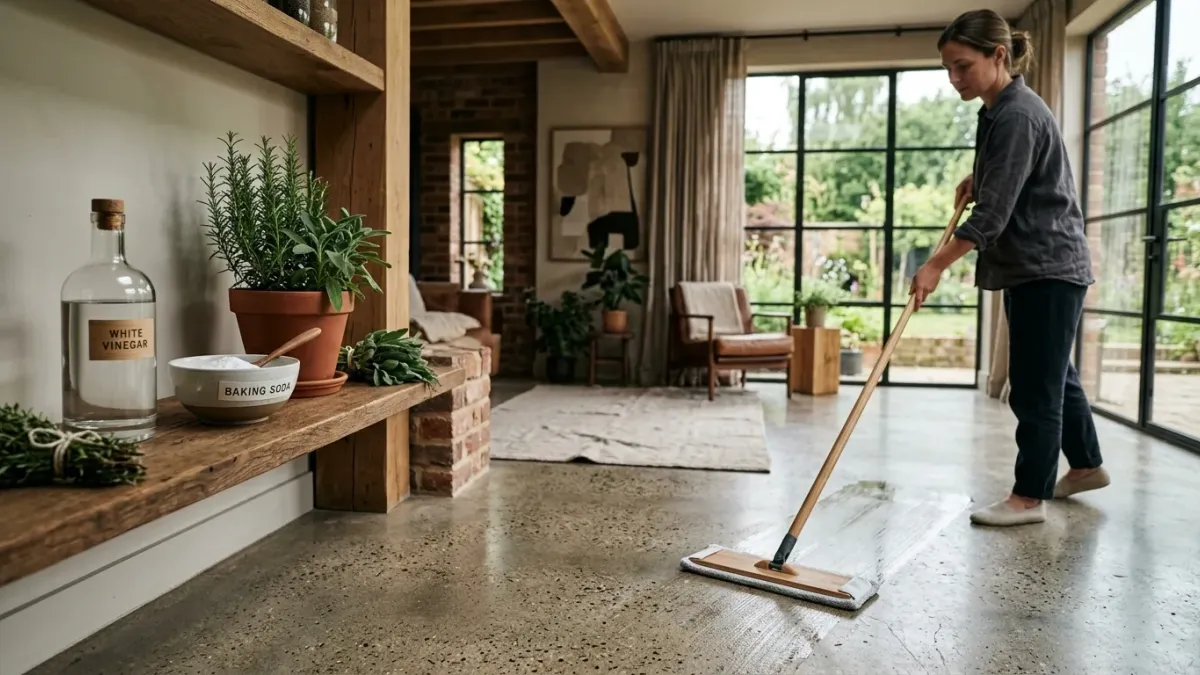
- Damp Mopping: Fill a bucket with warm water and your chosen plant-based cleaner dilution (or use a dedicated spray mop). Work in an S-shaped pattern starting from the farthest corner of the room toward the exit door, ensuring you do not walk across wet sections.
- Rinse and Dry (If Required): For high-alkalinity washing soda treatments on tile, perform a quick second pass with clean warm water on a freshly wrung microfiber pad to neutralize lingering surfactants and restore maximum shine.
Proper care of your cleaning equipment guarantees maximum performance during every cleaning session. Wash microfiber mop pads separately from cotton laundry using a mild plant-based laundry detergent, avoiding fabric softeners or chlorine bleach which coat synthetic microfibers and strip away their static charge. Hang pads to air dry or tumble dry on low heat settings to maintain maximum fiber absorbency for years of reliable service.
Practical Recommendation for Your Home
For most modern households featuring a mix of sealed hardwood and luxury vinyl plank, start by investing in a neutral, plant-derived cleaner like Bona Free & Simple alongside a dedicated flat microfiber spray mop system. Begin your green routine by sweeping or dry-vacuuming daily, then damp-mopping twice weekly using light spray applications. This balance of non-toxic chemistry and micro-mechanical soil collection keeps your living spaces safe, pristine, and beautifully maintained without unnecessary environmental impact.
Frequently Asked Questions
Can I safely use vinegar on my luxury vinyl plank (LVP) floors?
Yes, diluted white distilled vinegar (1/2 cup per gallon of warm water) is generally safe for luxury vinyl plank floors because vinyl is non-porous and resistant to mild acids. However, avoid using concentrated vinegar solutions repeatedly without rinsing, as excessive acid exposure can degrade the underlying adhesive layer over time.
Why do my floors look cloudy after mopping with eco-friendly cleaner?
Cloudiness usually stems from using too much castile soap or surfactant in your DIY mix, which leaves an unrinsed film layer on the floor. To resolve this, perform a single rinsing pass across the floor using plain warm water on a damp microfiber pad to strip away accumulated soap buildup.
How often should I replace or wash my microfiber mop pads?
Microfiber pads should be laundered after every major mopping session to avoid dragging captured grit across floor finishes. Quality microfiber pads rated at 300+ GSM can withstand up to 300 to 500 wash cycles in a washing machine before losing their electrostatic dirt-binding effectiveness.
Sources
- U.S. Environmental Protection Agency (EPA) - Indoor Air Quality Guidance
- American Lung Association - Clean Air at Home Guidelines
- Bona Official Floor Care & Environmental Sustainability Guidelines
- Centers for Disease Control and Prevention (CDC) - Household Cleaning and Sanitizing Guide