Tired of chemical-laden cleaning products that leave a harsh, artificial scent lingering in your home? Many homeowners and renters are seeking healthier, more natural alternatives that not only clean effectively but also contribute to a serene and inviting atmosphere. Essential oils offer a fantastic solution, transforming your house cleaning routine into an aromatic experience while leveraging their inherent antimicrobial and purifying properties. These concentrated plant extracts are more than just pleasant smells; they are potent natural compounds that can enhance your home's cleanliness and overall well-being. But how do you use them safely and effectively? Let's dive into the world of natural scents and discover how to incorporate them into your home maintenance regimen.
Beyond Scent: The Power of Essential Oils in Home Cleaning
When we talk about essential oils, it's easy to focus solely on their delightful fragrances. However, their benefits extend far beyond simply masking odors. These powerful botanical extracts possess a range of properties that make them invaluable allies in natural cleaning and eco-friendly cleaners. Many essential oils boast natural antibacterial, antiviral, antifungal, and antiseptic qualities, making them effective for disinfecting surfaces without the harsh chemicals found in many commercial products. This means you’re not just making your home smell good; you’re actively contributing to a cleaner, healthier environment.
The beauty of integrating essential oils into your cleaning tips is their versatility. From freshening the air to tackling tough grime, there’s an essential oil with a specific property to assist. For example, some oils are excellent degreasers, while others are renowned for their ability to combat mold and mildew. This dual benefit of potent cleaning power and uplifting aromatherapy makes them a cornerstone of any truly effective and holistic deep cleaning strategy. It's about creating a living space that feels genuinely fresh, not just superficially scented.

Choosing Your Aromas: Top Essential Oils for Cleaning
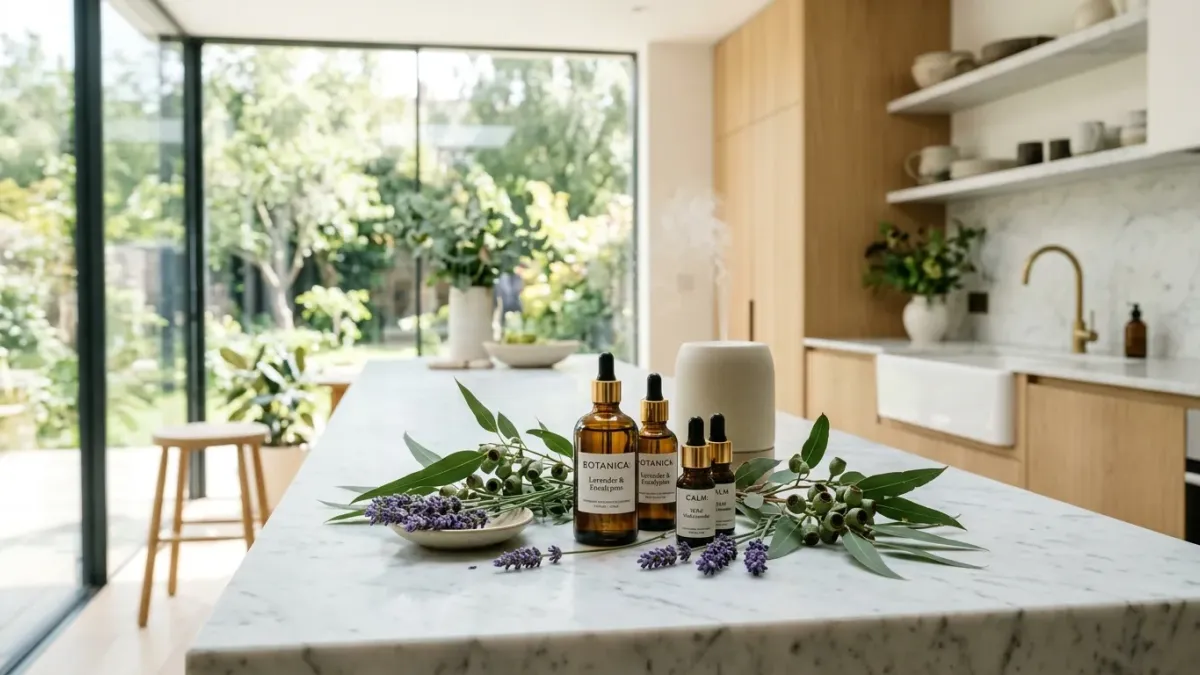
With so many essential oils available, selecting the right ones for cleaning can feel overwhelming. Based on my experience, certain oils stand out for their specific cleaning strengths and appealing aromas. Understanding their individual properties is key to maximizing their potential in your home. Essential oil refers to a concentrated hydrophobic liquid containing volatile chemical compounds from plants. These are typically extracted by distillation or mechanical methods.
- Lemon Essential Oil: A true workhorse! Lemon oil is a powerful degreaser and natural disinfectant, making it perfect for kitchen surfaces, cutting boards, and stainless steel. Its bright, uplifting scent is an added bonus.
- Tea Tree Essential Oil (Melaleuca): Known for its potent antibacterial, antiviral, and antifungal properties, tea tree oil is excellent for sanitizing bathrooms, fighting mold and mildew, and purifying the air.
- Peppermint Essential Oil: Invigorating and refreshing, peppermint is not only an effective antibacterial agent but also a natural pest repellent, deterring spiders and ants. Great for floors and entryways.
- Lavender Essential Oil: While famously calming, lavender also possesses antibacterial properties and is a wonderful deodorizer. Use it in laundry, linen sprays, or to freshen carpets.
- Eucalyptus Essential Oil: With a strong, camphoraceous aroma, eucalyptus is a powerful antiseptic and decongestant. Ideal for cleaning and purifying the air, especially during cold and flu season.
- Sweet Orange/Grapefruit Essential Oil: Similar to lemon, these citrus oils are fantastic degreasers and mood lifters. They bring a cheerful, fresh scent to any cleaning task.
When choosing your oils, always opt for pure, high-quality essential oils from reputable suppliers to ensure you’re getting the full benefits without synthetic additives. This is crucial for both effectiveness and safe cleaning practices.
Mixing It Right: Safe Dilution and Application Methods
The golden rule of using essential oils in cleaning is dilution. Essential oils are highly concentrated and can cause irritation or damage if used undiluted, especially on certain surfaces or if they come into direct contact with skin. So, how much is enough? For general household cleaning, a good starting point is about 10-20 drops of essential oil per cup (8 ounces) of liquid base.
Your liquid base can be as simple as water, or it can be a mixture with other natural cleaning agents. White vinegar is an excellent companion, as its acidity helps cut grease and grime, and its strong smell dissipates quickly, leaving only the essential oil aroma. Unscented liquid castile soap is another fantastic emulsifier, helping the oils disperse evenly throughout the solution. For example, for an all-purpose spray cleaner, you might combine 1 cup of distilled water, 1/2 cup of white vinegar, and 15-20 drops of lemon or tea tree essential oil in a glass spray bottle. Shake well before each use to ensure the oils are properly mixed. But what if you're sensitive to strong smells? You can always start with fewer drops and gradually increase the amount until you find your preferred intensity.
When storing your homemade essential oil cleaners, always use dark glass bottles. This protects the oils from light degradation, preserving their potency and shelf life. Keep them in a cool, dark place away from direct sunlight and heat. Remember that essential oils can sometimes interact with plastic over time, so glass is always the safer and more durable choice for long-term storage of your DIY cleaning solutions. This attention to detail ensures your eco-friendly cleaners remain effective.
Practical Recipes for a Sparkling, Scented Home
Now that you understand the principles, let's get to some actionable cleaning tips and recipes you can implement today to enhance your house cleaning routine. These simple formulas will help you tackle common messes with natural power and delightful scents.
- All-Purpose Surface Spray: In a 16oz glass spray bottle, combine 1 cup distilled water, 1/2 cup white vinegar, and 20 drops of essential oil (e.g., 10 drops Lemon, 10 drops Tea Tree). Use on countertops, sinks, and non-porous surfaces. Shake before each use.
- Floor Cleaner: For a bucket of warm water (approx. 2 gallons), add 1/4 cup liquid castile soap and 30-40 drops of essential oil (e.g., 20 drops Eucalyptus, 20 drops Peppermint). Mop as usual. This is fantastic for tile, linoleum, and sealed wood floors.
- Toilet Bowl Refresher: Sprinkle 1/2 cup baking soda into the toilet bowl. Add 10-15 drops of Tea Tree essential oil, followed by 1 cup of white vinegar. Let it fizz for 15-30 minutes, then scrub with a toilet brush and flush. The combination provides deep cleaning action.
- Window and Glass Cleaner: Mix 1 cup distilled water, 1/2 cup white vinegar, and 10 drops of Lemon or Grapefruit essential oil in a spray bottle. Spray onto glass and wipe with a microfiber cloth for streak-free shine. This blend also works beautifully for mirrors.
- Laundry Booster/Freshener: Add 5-10 drops of Lavender or Lemon essential oil directly to your washing machine's detergent dispenser or a wool dryer ball for naturally scented laundry. This is a simple way to add aromatherapy to your clothes.
For example, imagine this situation: You've just finished cooking a particularly aromatic meal, and the kitchen counters are covered in grease and food splatters. Instead of reaching for a harsh chemical spray, you grab your homemade lemon and tea tree all-purpose cleaner. The uplifting citrus scent immediately cuts through cooking odors, and the natural degreasing power of lemon oil combined with tea tree's sanitizing action makes quick work of the mess, leaving behind a sparkling, naturally fresh surface. It’s a stark contrast to the sterile, almost aggressive, smell of conventional cleaners.
Safety First: Essential Precautions When Using Essential Oils
So far we've explored the wonderful world of essential oils and how to mix them into effective eco-friendly cleaners. Now, let's get to the really critical point: safety. While natural, essential oils are incredibly potent and require careful handling. Ignoring safety precautions can lead to skin irritation, allergic reactions, or even damage to surfaces.
- Always Dilute: As mentioned, never use essential oils undiluted, especially on skin. Always mix them with a carrier (water, vinegar, castile soap) for cleaning applications.
- Keep Away from Children and Pets: Store essential oils and homemade cleaners out of reach. Some oils can be toxic to pets, particularly cats and small children, if ingested or absorbed through the skin. Research specific oils if you have pets.
- Ventilation is Key: Even with natural scents, ensure good ventilation when cleaning, especially when using diffusers or strong-smelling oils like Eucalyptus or Peppermint.
- Patch Test Surfaces: Before applying any essential oil solution to a large area, particularly on delicate surfaces like painted wood, stone, or certain plastics, always perform a patch test in an inconspicuous spot. Some oils, especially citrus ones, can be corrosive or cause discoloration over time.
- Consult Professionals: If you are pregnant, nursing, have a medical condition, or are on medication, consult your doctor before regularly using essential oils for any purpose. Similarly, if you encounter a stubborn cleaning challenge that natural methods aren't resolving, consider reaching out to professional cleaning services for specialized solutions.
Honestly, based on my experience, overlooking dilution is where most people encounter issues. A little goes a long way with these powerful extracts. By adhering to these simple safe cleaning guidelines, you can confidently enjoy the myriad benefits essential oils bring to your home maintenance and deep cleaning routines, creating a genuinely healthier and more pleasant living environment for everyone.
Integrating essential oils into your cleaning regimen is a powerful step towards a healthier, more aromatic home. By understanding their properties, practicing safe dilution, and following practical recipes, you can transform everyday house cleaning tasks into an enjoyable and effective pursuit. Embrace the power of nature to keep your home sparkling clean and smelling wonderfully fresh, all while minimizing your exposure to harsh chemicals. Start experimenting with these cleaning tips today and discover the natural difference.