Decoding the Science of a Spotless Carpet: A Professional's Approach
As your trusted cleaning expert at Clean & Cleaner, I’ve seen countless carpets transformed from dingy to dazzling. It’s not magic; it’s a methodical approach to house cleaning that starts with understanding the tools in your arsenal, specifically, your carpet cleaning formulas. Many homeowners grab the first cleaner they see, hoping for the best. But a truly effective deep cleaning of your carpets requires a deeper understanding of what makes these formulas work and how they interact with different stains and carpet fibers. This isn't just about surface clean; it's about preserving your investment, enhancing your home's air quality, and extending the life of your flooring.
A clean carpet isn't just aesthetically pleasing; it's fundamental to good home maintenance. Carpets act as giant filters, trapping dust, allergens, pet dander, and even microscopic organisms. Without proper care, they can become a breeding ground for these unwanted guests, impacting indoor air quality and potentially contributing to allergies or respiratory issues. Choosing the right cleaning formula isn't just about aesthetics; it's a health and longevity decision. In this guide, we'll go beyond the marketing claims and delve into the practical chemistry and application techniques that will empower you to achieve professional-grade results.
The Chemistry of Clean: How Formulas Tackle Dirt and Stains
To truly master carpet cleaning, it's essential to understand the core mechanisms by which different formulas operate. They aren't all just "soap"; each has a specific job based on its chemical composition. This knowledge is a game-changer for effective stain removal and overall carpet care.
Surfactants: The Foundation of Most Cleaners
At the heart of most carpet cleaners are surfactants, short for "surface active agents." These remarkable molecules have a dual nature: one end is attracted to water (hydrophilic), and the other is attracted to oil and dirt (hydrophobic). When you apply a cleaner with surfactants, they work by:
- Reducing surface tension: This allows the cleaning solution to penetrate carpet fibers more effectively, surrounding dirt and grime.
- Emulsifying oils and grease: The hydrophobic tails attach to oily soil particles, while the hydrophilic heads pull the entire particle into the water, suspending it so it can be rinsed away. Think of it like a microscopic tug-of-war, where the surfactant pulls the dirt away from the fiber and into the cleaning solution.
Common examples include detergents and shampoo-based solutions often used in hot water extraction carpet cleaning machines. They're excellent for general soiling, dust, and many everyday food spills.
Enzyme-Based Cleaners: The Biological Solution
For organic stains and odors – think pet accidents (urine, vomit), blood, food spills containing proteins (milk, eggs) – enzyme-based cleaners are indispensable. Enzymes are specialized proteins that act as biological catalysts, accelerating the breakdown of complex organic molecules into simpler ones. Specifically:
- Proteases: Break down proteins (blood, food, pet accidents).
- Lipases: Break down fats and oils.
- Amylases: Break down starches.
The beauty of enzyme cleaners is that they don't just mask odors; they eliminate them by digesting the odor-causing organic matter. For a urine stain, for instance, the enzymes break down the uric acid crystals and other organic compounds that cause the pungent smell. They require dwell time (often 15-30 minutes, or even longer for severe odors) to work effectively. Remember, heat can denature enzymes, so always use these with cool or lukewarm water, never hot.
Oxidizing Agents: The Bleaching Power
Some tough, colored stains, like red wine, coffee, or ink, benefit from oxidizing agents (often oxygen-based brighteners, like hydrogen peroxide compounds). These work by altering the chemical structure of the chromophores (the parts of a molecule responsible for its color), essentially making the stain colorless or significantly lighter. They are powerful but must be used with caution:
- Always spot test in an inconspicuous area first, especially on darker or natural fiber carpets, as they can cause color loss or irreversible damage.
- They are most effective on fresh stains but can also lighten older, set-in discoloration.
Solvent-Based Cleaners: For Oily and Greasy Residues
Certain stains, particularly those with a high oil or grease content like motor oil, tar, lipstick, or crayon, are best tackled with solvent-based cleaners. These cleaners contain chemical solvents that dissolve oily substances, allowing them to be blotted away. Unlike water-based solutions, solvents don't rely on emulsification but rather on direct dissolution. Key considerations:
- They are typically quick-drying and leave minimal residue.
- Always ensure adequate ventilation when using solvent-based products, as fumes can be strong.
- Exercise extreme caution on latex-backed carpets, as some solvents can dissolve the adhesive. Always test first!
pH Balance: Critical for Fabric Health
Understanding pH is crucial for protecting your carpet fibers. The pH scale measures acidity and alkalinity, from 0 (highly acidic) to 14 (highly alkaline), with 7 being neutral. Most carpets, especially natural fibers like wool, prefer a neutral to slightly acidic pH (between 5.0 and 8.0). Highly alkaline cleaners (pH 9+) can:
- Damage natural fibers, causing yellowing, browning, or even irreversible fiber degradation.
- Leave behind a sticky residue that attracts dirt faster (resoil).
Acidic rinses (pH 3-5) are often used after alkaline cleaning to neutralize residues and restore the carpet's natural pH, ensuring a softer feel and preventing resoiling. Always check the pH recommendations for your specific carpet type, especially for specialty fibers.
Tailoring Your Approach: Formula Selection for Specific Challenges
Armed with knowledge of carpet chemistry, let's put it into practice. The type of carpet you have and the nature of the stain are your primary guides.
General Soiling and Refreshing Synthetic Carpets (Nylon, Polyester, Olefin)
Synthetic carpets are generally robust and forgiving. For routine house cleaning and general soiling, a good quality, pH-neutral to slightly alkaline (pH 7-9) surfactant-based carpet shampoo or extractor solution is ideal. Brands like Bissell or Rug Doctor offer excellent formulas designed for their machines, such as the Bissell Pro Max Clean + Protect or the Rug Doctor Deep carpet cleaner. These effectively lift embedded dirt and leave your carpet fresh. For a deeper clean annually, consider a professional-grade hot water extraction solution.
Pre-Treatment for High-Traffic Areas and Stubborn Dirt
Before any major deep cleaning, especially in hallways, entryways, and under heavy furniture, pre-treating is non-negotiable. A dedicated carpet pre-spray, often containing stronger surfactants and degreasers, is sprayed onto the carpet and allowed to dwell for 10-15 minutes. This breaks down and loosens heavily embedded soil, making it easier for your main cleaning solution and machine to extract. This step significantly improves overall cleaning efficiency and results.
Organic Stains (Pet Accidents, Food Spills, Blood)
For these, an enzyme-based cleaner is your best friend. For a fresh pet urine accident:
- Blot up as much liquid as possible with a clean, white cloth, pressing firmly.
- Generously saturate the area with an enzyme cleaner (e.g., Nature's Miracle, Rocco & Roxie Supply Co. Stain & Odor Eliminator), ensuring it penetrates as deep as the original stain.
- Allow it to dwell for the recommended time (typically 15-30 minutes, or even a few hours for older stains).
- Cover the area with a damp cloth or plastic wrap during dwell time to prevent premature drying.
- Blot thoroughly to remove the solution and dissolved matter. Repeat if necessary.
- Follow with a water rinse to remove residue.
This process ensures the enzymes have sufficient time to break down the odor-causing compounds, providing true odor elimination rather than just masking.
Oil, Grease, Tar, and Wax Stains
These require a targeted approach using a solvent-based spot cleaner. Apply a small amount to a clean white cloth, then gently blot the stain from the outside in. Do NOT rub, as this can spread the stain and damage carpet fibers. Work slowly, changing the cloth frequently to avoid redepositing the dissolved grime. For solidified wax, carefully scrape off as much as possible with a dull knife or credit card before applying a solvent.
Red Wine, Coffee, Tea, and Ink
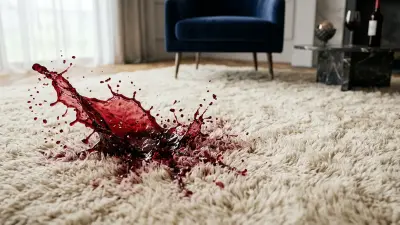
These challenging stains often benefit from the oxidizing power of oxygen-based cleaners. For red wine:
- Blot immediately with a clean, white cloth.
- Apply a specialized red wine stain remover or a diluted oxygen-based cleaner (always test first!).
- Allow it to dwell according to product instructions.
- Blot, then rinse with water.
For ink, a rubbing alcohol-based solution or a specific ink remover can be effective, again, always testing in an inconspicuous area first.
Delicate Fibers: Wool, Silk, and Natural Blends
These carpets are beautiful but require the utmost care. Always opt for pH-neutral (pH 7-7.5) cleaners specifically formulated for wool or natural fibers. Avoid harsh alkaline detergents, strong oxidizing agents, or aggressive solvents, as these can cause irreversible shrinkage, yellowing, browning, or fiber damage. Many manufacturers recommend professional cleaning services for these types of carpets due to their sensitivity. If DIY, use minimal moisture and ensure rapid drying to prevent mildew or shrinkage.
Mastering the Process: Pre-Treatment, Application Techniques, and Post-Care for Lasting Cleanliness
Beyond selecting the right formula, how you apply and remove it dictates your success. This is where cleaning tips truly come to life.
The Golden Rule: Act Fast!
The quicker you address a spill, the higher your chance of complete removal. Fresh stains are always easier to clean than dried, set-in ones.
Pre-Vacuuming: The Essential First Step
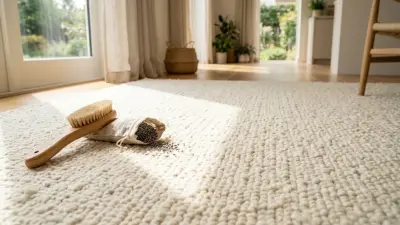
Before applying any liquid cleaner, thoroughly vacuum the carpet. Use a powerful vacuum cleaner with a brush roll, like a Dyson V11 Animal or a Shark Navigator Lift-Away, to remove loose dirt, dust, and debris. This prevents turning surface dust into muddy residue when wet cleaning, making your cleaning solution more effective and preventing premature resoiling.
Spot Treatment Techniques
- Blot, Don't Rub: Always blot stains with a clean white cloth or paper towel. Rubbing can spread the stain, push it deeper into the fibers, or even damage the carpet pile.
- Work from the Outside In: This prevents the stain from spreading outwards.
- Don't Oversaturate: Excessive moisture can lead to wick-back (stains reappearing as the carpet dries), mildew growth, and damage to the carpet backing.
Deep Cleaning with Extractors
For full room deep cleaning, a hot water extractor (often called a carpet shampooer) is typically used. Machines like the Hoover Smartwash Automatic Carpet Cleaner or the Bissell TurboClean PowerBrush Pet are popular home models. Always dilute your chosen formula according to the manufacturer's instructions for your specific machine. Apply the cleaning solution in overlapping passes, then extract the dirty water thoroughly, making multiple dry passes to remove as much moisture as possible. Follow up with a clear water rinse pass to remove any leftover detergent residue, which can attract new dirt.
Post-Cleaning Care: Drying and Protection
Rapid drying is critical after wet cleaning. Prolonged dampness can lead to mildew, odors, and even damage to your subfloor. Here’s how to ensure proper drying:
- Maximize Airflow: Open windows, turn on ceiling fans, or use portable fans directed at the cleaned areas.
- Dehumidifier: In humid environments, a dehumidifier can dramatically speed up drying time.
- Avoid Walking on Damp Carpet: Wait until the carpet is completely dry to prevent resoiling and crushing the pile.
- Consider Protector Application: After deep cleaning, applying a carpet protector (like Scotchgard or similar) can restore stain resistance, making future cleanups easier and extending your carpet's lifespan.
Prioritizing Safety & Sustainability: Responsible Carpet Cleaning Practices
As an experienced cleaner, I can't stress enough the importance of safety and environmental responsibility. Your home maintenance routine should never compromise health or the planet.
Safety First: Protecting Yourself and Your Home
- Ventilation: Always ensure good airflow when using any cleaning products, especially solvent-based ones or those with strong fumes. Open windows and doors.
- Personal Protective Equipment (PPE): Wear gloves to protect your skin from harsh chemicals and, if working in a confined space or with strong aerosols, consider eye protection and a mask.
- Read Labels: Always read and follow the manufacturer's instructions for dilution, application, and safety precautions.
- Spot Test: Before applying any new cleaner to a large area, test it in an inconspicuous spot (e.g., inside a closet or under a piece of furniture) to check for colorfastness or adverse reactions.
Eco-Friendly Cleaning Choices
The market for eco-friendly cleaners has expanded significantly. Many brands now offer biodegradable, plant-derived, and non-toxic formulas that are effective and safer for your family, pets, and the environment. Look for certifications like EPA Safer Choice. Simple solutions like white vinegar (for neutralizing odors and mild acidity) and baking soda (for absorbing odors and some moisture) can also be effective for minor issues, particularly on synthetic carpets.
When to Call the Professional Cleaning Services
While DIY carpet cleaning is effective for regular maintenance, there are times when calling in the pros is the smartest move. If you have:
- Extremely large areas or multiple rooms.
- Very old, set-in, or complex stains (e.g., flood damage, heavy grease).
- Delicate or expensive natural fiber carpets (wool, silk, antique rugs).
- Need for specialized equipment and techniques (e.g., truck-mounted hot water extraction, dry cleaning methods).
Professional cleaners have access to more powerful equipment, specialized formulas, and extensive training to tackle the toughest challenges while ensuring the integrity of your carpet.
Mastering carpet cleaning is an ongoing process, but by understanding the science behind the formulas and employing proper techniques, you can keep your carpets looking their best, extending their life, and contributing to a healthier home environment. Happy cleaning!