
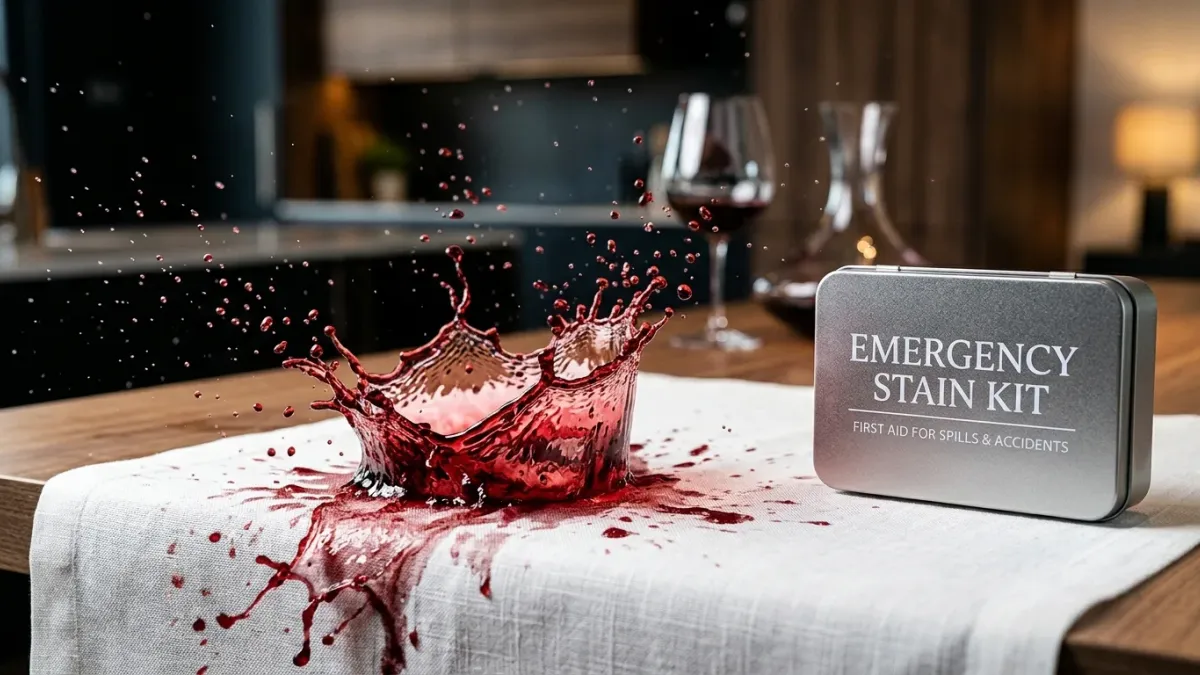
The Unsung Hero of Home Maintenance: Why Your Emergency Stain Kit Matters
There are few things more disheartening than the sight of a fresh spill marring an otherwise immaculate surface. Whether it's a splash of red wine on your pristine carpet, a dollop of grease on your kitchen floor, or a rogue ink mark on your upholstery, immediate action is paramount. Procrastination in these moments is the enemy of a clean home, often leading to permanent damage and costly repairs. This isn't just about aesthetics; it's about preserving the integrity and longevity of your furnishings and surfaces.
Here at Clean & Cleaner, we understand that accidents happen. But what if you could transform those moments of panic into instances of swift, effective action? That's precisely the power of a well-stocked emergency stain removal kit. Having the right tools and solutions immediately at hand doesn't just save your surfaces; it saves you stress and ensures your house cleaning efforts aren't undone by an unexpected mishap. Honestly, it's one of the most critical aspects of proactive home maintenance.
In this comprehensive guide, we'll equip you with the knowledge to assemble your ultimate stain-fighting arsenal. We'll dive into the essential components, specific solutions for different types of stains, and the crucial techniques that can mean the difference between a minor incident and a lasting blemish. Get ready to empower yourself with the confidence to tackle any spill that comes your way.

The Core Components: Essential Tools for Every Stain
Before we even think about specialized cleaners, let's establish the foundational tools that belong in every emergency stain kit. These items are your first line of defense, designed to manage the initial spill and prepare the area for targeted treatment. Think of these as the universal soldiers in your stain-fighting army.
Absorbents: The First Line of Defense
The immediate goal with any spill is to absorb as much of the offending liquid or semi-solid as possible. This prevents it from spreading and soaking deeper into fibers. You'll need a variety of materials for this:
- Microfiber Cloths: Keep several clean, white (to avoid color transfer) microfiber cloths on hand. Their superior absorbency and gentle texture make them ideal for blotting.
- White Paper Towels: For larger spills or particularly messy substances, thick, absorbent white paper towels are indispensable. Avoid patterned or colored ones as their dyes can transfer.
- Old Terry Cloth Towels: For really big spills, such as a knocked-over bucket of water, a few dedicated old terry cloth towels can quickly sop up a significant volume.
Remember, the technique here is crucial: always blot, do not rub. Rubbing pushes the stain deeper into the material and can spread it further, making removal significantly harder.
Scraping & Lifting: Gentle but Effective
For semi-solid spills like mud, ketchup, or pet accidents, you'll need tools to gently lift and remove the bulk of the material before it dries or spreads:
- Blunt Knife or Spoon: A regular butter knife or a spoon works perfectly for carefully scraping up solids without damaging fabric or hard surfaces.
- Plastic Scraper: A dedicated plastic scraper, like those used for baking, can also be very effective and is less likely to scratch delicate surfaces.
The key is to work from the outside edge of the stain towards the center. This helps prevent the stain from spreading outwards, a common mistake that can enlarge the affected area.
Protection: Keeping Yourself Safe
When dealing with cleaners, even mild ones, protecting your hands and potentially your eyes is non-negotiable. Always include:
- Nitrile Gloves: A pair of durable nitrile or rubber gloves will protect your skin from cleaning solutions and the stain itself.
- Safety Goggles: Especially when using stronger chemicals or working with spray bottles, safety goggles are a smart addition to protect your eyes from splashes.
Your safety is paramount. Never compromise it for the sake of speed. Read all product labels carefully and ensure adequate ventilation.
Specialized Solutions: Tackling Specific Stains
Once the initial absorption and scraping are done, it's time for targeted treatment. This is where your cleaning solutions come into play. Having a range of options ensures you're prepared for almost anything life throws at your floors and fabrics.
General Purpose Spot Cleaners: Your Everyday Allies
A good quality, all-purpose spot cleaner is the cornerstone of any kit. Look for formulas that are safe for multiple surfaces, including carpets and upholstery. Products with oxygen boosters, often labeled as "Oxy" cleaners, are particularly effective on a wide range of organic stains, including coffee, juice, and food spills. Always test any cleaner in an inconspicuous area first, especially on colored fabrics, to ensure colorfastness.
Enzymatic Cleaners: The Organic Stain Fighters
For biological stains like pet accidents (urine, vomit, feces), blood, or certain food spills, enzymatic cleaners are a must-have. These cleaners contain specialized enzymes that break down organic matter and odor-causing molecules. Regular cleaners might clean the visible stain, but enzymatic cleaners neutralize the source of the odor, preventing pets from returning to the same spot. A good example is Nature's Miracle or Rocco & Roxie Supply Co. Stain & Odor Eliminator, which are highly rated for pet owners.
Acidic & Alkaline Cleaners: Precision for Tough Spots
Some stains require a more specific pH approach:
- Acidic Solutions (White Vinegar): For alkaline stains like coffee, tea, and red wine on light-colored fabrics, a diluted white vinegar solution (1 part vinegar to 1 part water) can be incredibly effective. Vinegar is also a fantastic eco-friendly cleaner for many general purposes.
- Alkaline Solutions (Baking Soda & Dish Soap): For acidic stains or greasy spots, baking soda paste (mixed with a little water) can absorb odors and lift stains, particularly effective on carpets. A drop of mild dish soap, like Dawn, mixed with water, can also act as a gentle alkaline cleaner for many common food stains.
- Hydrogen Peroxide: A 3% hydrogen peroxide solution can be used on light-colored carpets and fabrics for bloodstains, mildew, or general brightening. Always test first, as it has a bleaching effect.
For example, imagine this situation: you're enjoying your morning coffee, and suddenly, a clumsy elbow sends it cascading across your beige rug. A quick blot with a microfiber cloth, followed by a gentle dab of diluted white vinegar, can prevent that dark brown blotch from becoming a permanent fixture. This kind of immediate, targeted action is what we're aiming for.
Grease & Oil Busters: Dissolving the Stubborn
Grease and oil stains require agents that can break down fats:
- Rubbing Alcohol (Isopropyl Alcohol): Excellent for ink, permanent marker, grease, and even certain types of gum residue. It evaporates quickly, leaving little residue.
- Cornstarch or Talcum Powder: For fresh grease stains on fabric, sprinkle a generous amount of cornstarch or talcum powder to absorb the oil before attempting to clean it. Let it sit for 15-30 minutes, then vacuum or brush away.
- Dish Soap (Degreaser): A small amount of dish soap, particularly those formulated to cut grease, can be applied directly to a grease stain on fabric (after blotting excess) before laundering or rinsing.
Based on my experience, having these specific solutions readily available significantly cuts down on the frustration and effort involved in deep cleaning after an accident.
Assembling Your Kit and Mastering the Technique
Now that you know what to gather, let's talk about putting it all together and the essential techniques for success. The goal is efficiency and effectiveness.
Your Portable Stain Command Center
Don't just toss these items into a random drawer. Invest in a small, portable caddy, a clear plastic container, or a dedicated bucket. This keeps everything organized, visible, and most importantly, mobile. When a spill happens, you can grab your entire kit and rush to the scene without scrambling for individual items. Place it in an easily accessible location, perhaps under the kitchen sink or in a laundry room closet. Regularly check and replenish your kit, especially after use, to ensure you're always prepared.
The Golden Rules of Stain Removal
- Act Immediately: The fresher the stain, the easier it is to remove. Don't let it dry.
- Blot, Don't Rub: Always blot from the outside in to prevent spreading and embedding the stain.
- Test First: Always test any cleaning solution on an inconspicuous area (e.g., a hidden spot on the carpet, the back of upholstery) to ensure it doesn't cause discoloration or damage.
- Don't Over-Wet: Use minimal cleaning solution. Excessive moisture can spread the stain, damage delicate fabrics, or lead to mildew.
- Rinse Thoroughly (if applicable): After treating, gently blot with a clean, damp cloth to remove any cleaning solution residue, then blot dry. Leftover cleaner can attract dirt.
Following these cleaning tips consistently will dramatically increase your success rate, turning potential disasters into minor inconveniences. Honestly, a little patience and the right technique go a long way.
When to Call in the Professionals
Despite your best efforts and a perfectly assembled kit, some stains are simply beyond DIY capabilities. For large, old, or deeply embedded stains, especially on delicate or expensive materials like silk, antique rugs, or complex upholstery, it's wise to consider professional cleaning services. They have specialized equipment, industrial-strength cleaners, and the expertise to handle even the toughest challenges without damaging your belongings. Knowing when to call in the cavalry is also a crucial part of smart home maintenance.
Empowering Your Home with Preparedness
Building an emergency stain removal kit isn't just about having a collection of cleaners; it's about cultivating a mindset of preparedness and confidence in your ability to maintain a pristine home. It transforms potential moments of panic into opportunities for swift, effective action, ensuring that your living spaces remain beautiful and inviting.
By investing a small amount of time and effort now to assemble your kit and familiarize yourself with these techniques, you're safeguarding your home against the inevitable spills and splatters of daily life. Let your emergency stain kit be a testament to your commitment to a clean, well-maintained, and stress-free environment. Visit Clean & Cleaner for more expert advice on keeping your home sparkling!