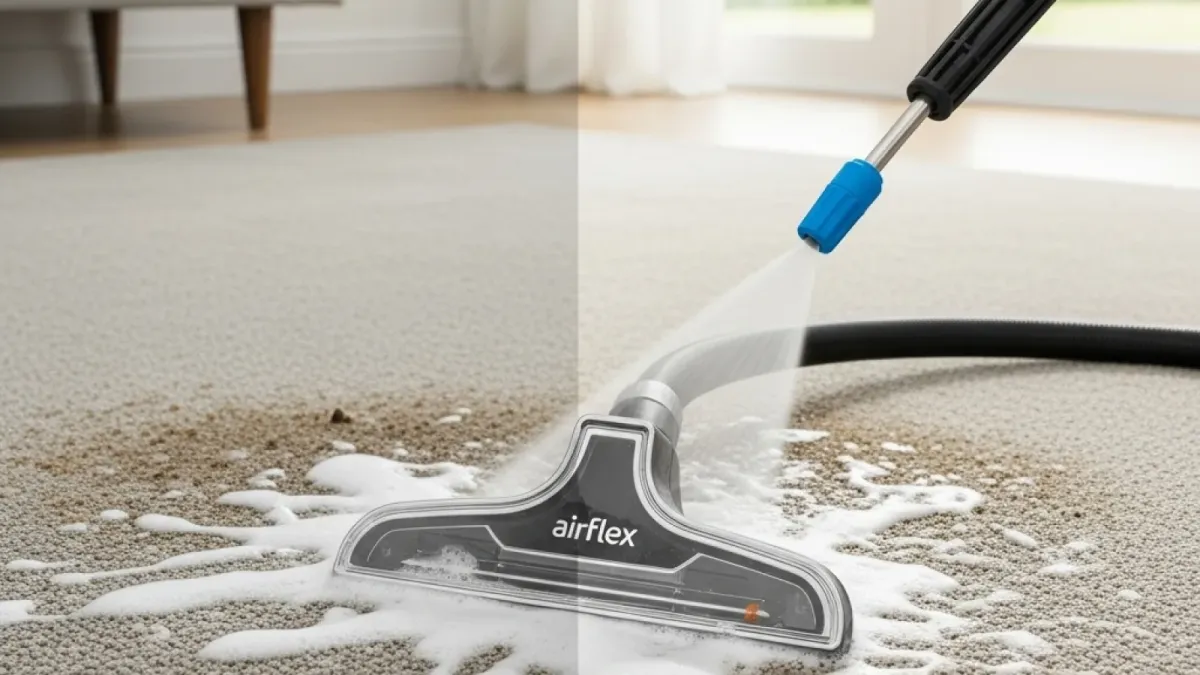
Quick answer: Airflex carpet cleaners are high-performance commercial extractors known for exceptional water lift (up to 220 inches of water lift/vacuum pressure) and high PSI solution pumps (ranging from 100 to 800 PSI). Models like the Airflex Storm and Airflex Pro excel at restoring heavily soiled carpets quickly, making them top choices for professional operators, while temporary hire offers homeowners access to industrial cleaning power without the high capital investment.
Understanding the Airflex Carpet Cleaner Range
The Airflex machinery lineup is engineered specifically around the physics of soil extraction: high solution pressure to break up oily soils combined with immense air movement (CFM) and water lift (measured in inches of water column) to recover dirty water quickly. Unlike consumer-grade extractors found at home improvement stores that often leave carpets damp for days, Airflex extractors utilize vacuum configurations capable of pulling moisture straight out of dense underlayments. This drastically reduces drying times and prevents dangerous wick-back, where subterranean stains migrate back to the carpet tips during drying.
At the core of the range are distinct chassis designs tailored to different operational needs. The machines run on dual or triple vacuum setups powered by independent circuits, meaning you can plug them into standard domestic electrical sockets without tripping breakers if managed correctly. They accommodate high-heat cleaning, allowing operators to run inline heaters up to 110°C (230°F) or utilize hot tap water mixed with non-foaming eco-friendly cleaners. The high water flow rate ensures thoroughly dissolved cleaning chemistry is flushed entirely out of the pile, leaving zero sticky residue behind to attract new dirt.
Choosing the right machine involves matching pump output and vacuum recovery strength to your typical workload. While a smaller capacity extractor suits tight residential corridors and multi-story apartment flats, larger units handle sprawling commercial premises without requiring frequent trips to sink basins to dump dirty water or refill clean tanks. Investing time to understand these baseline specifications prevents overspending on unnecessary power or underpowering a high-demand cleaning operation.
Detailed Model Comparison: Airflex Storm, Pro, and 400
Comparing specific Airflex models helps highlight how solution pressure, tank capacities, and motor configurations impact daily field work. The table below outlines key technical specifications across the primary models in the lineup:
| Model | Pump Pressure (PSI) | Vacuum System | Tank Capacity | Best Suited For |
|---|---|---|---|---|
| Airflex Storm | 100 to 800 PSI (Adjustable) | Dual 6.6" or Triple 5.7" Vacs | 55 Liters | Heavy commercial restoration & long hose runs |
| Airflex Pro | 100 to 400 PSI | Dual 5.7" High-Lift Vacs | 45 Liters | Residential deep cleaning & mid-size offices |
| Airflex 400 | Fixed 400 PSI | Dual 3-Stage Vacs | 40 Liters | Targeted spot cleaning, upholstery & light commercial |
The Flagship Airflex Storm
The Airflex Storm sits at the absolute top of the portable extraction hierarchy. Featuring an adjustable pump that ramps all the way up to 800 PSI, the Storm delivers enough pressure to tackle hard floor tile restoration alongside severe carpet recovery jobs. Its massive vacuum setup generates upwards of 220 inches of water lift, allowing technicians to operate up to 200 feet of vacuum hose away from the machine. This allows the extractor to remain parked securely near a water source while you work through remote rooms.
The Balanced Airflex Pro
For operators needing high mobility without sacrificing deep flushing capability, the Airflex Pro carpet cleaner serves as an ideal middle ground. Operating between 100 and 400 PSI, it delivers plenty of force to flush thick polypropylene and woolen carpet piles down to the backing. It features a streamlined profile designed to fit easily into standard service vans and clear narrow residential doorways without scuffing baseboards or door frames.
The Compact Airflex 400
The Airflex 400 carpet cleaner remains a favorite for targeted commercial work and routine residential upkeep. Built with straightforward controls and robust internal components, this unit focuses on reliability. Its continuous 400 PSI spray breaks down heavy traffic lane soils effortlessly when paired with proper chemical pre-sprays, making it an excellent primary machine for small businesses or a dependable secondary backup unit for high-volume professional cleaning services.
Pricing Breakdown and Airflex Carpet Cleaner Hire
Acquiring an industrial machine requires evaluating upfront capital expenditure against long-term operational returns. New top-spec units like the Airflex Storm typically cost between £3,200 and £4,500 depending on optional upgrades like built-in solution heaters or auto-dump systems. Mid-tier units such as the Airflex Pro and 400 models generally land in the £2,200 to £3,100 price bracket. While these figures represent a serious financial outlay, the heavy-duty build quality translates to years of daily service when properly maintained.
For domestic homeowners, property landlords, or startup operators, commercial hire offers an economical way to access top-tier extraction power without ongoing storage or upkeep costs. Daily equipment rental rates for an Airflex system generally range from £60 to £110 per day, often including a standard dual-jet stainless steel floor wand and high-pressure hoses. When hiring, always verify that the rental provider supplies high-pressure safety hoses rated for at least 1000 PSI to prevent accidental line bursts inside living areas.
Cleaner's tip: When hiring or operating an Airflex unit for home maintenance, never fill the fresh water tank with hot water exceeding 60°C (140°F) unless your specific pump model explicitly rates for high heat. Overheating the diaphragm pump head can cause premature seal failure, resulting in a sudden loss of system pressure. Always pre-spray your cleaning chemical directly onto the carpet using a pump sprayer, allowing a 10-minute contact time, rather than running harsh alkaline detergents directly through the machine's internal solution pump.
Practical Cleaning Techniques and Maintenance Routines
Achieving pristine results with an Airflex extractor requires more than high water pressure; it demands systematic preparation and correct chemical dilution ratios. Begin every job with a thorough dry vacuuming pass using a commercial upright vacuum equipped with a HEPA filter to remove up to 79% of dry particulate soil before applying moisture. Wetting dry dust turns it into muddy sludge deep inside the carpet backing, making extraction twice as difficult and significantly extending dry times.
When dealing with synthetic carpets (like nylon or polyester), apply an alkaline pre-spray diluted at a pH of 8.5 to 10.0 to break down greasy dirt, oily foot traffic, and food spills. For natural wool fibers, strictly use a wool-safe neutral detergent with a pH between 5.5 and 8.0. Spray the solution evenly using a 350 GSM microfiber applicator or pump sprayer, gently agitating the pile with a soft carpet rake to distribute chemical to the base of the carpet fibers. Allow a dwell time of 8 to 10 minutes before extracting.
During the extraction phase, maintain steady wand technique. Make two wet passes (spraying solution while pulling the wand backward) followed immediately by two or three dry vacuum passes (pulling the wand with the solution trigger released to extract residual moisture). To prevent hazardous chemical interactions, strictly avoid mixing chlorine bleach with ammonia or acidic descalers. Always finish the clean with a mild acidic rinse chemical (pH 4.0 to 5.0) in the machine's fresh water tank to neutralize lingering alkalinity, leaving the carpet soft, static-free, and residue-free.
- Daily Maintenance: Flush fresh water through the solution lines after every job; clean the clear dome lid and vacuum lint basket to maintain maximum air lift.
- Weekly Service: Inspect high-pressure quick-connect fittings for seal wear; lubricate brass couplings with silicone spray.
- Monthly Care: Descale internal heating elements and run an acidic flush through the pump system to remove calcium deposits built up from hard tap water.
Real-World Performance and Handling
Operating an Airflex machine on site brings clear practical advantages, particularly in terms of power output and job speed. The physical weight of these units—often weighing between 40kg and 60kg dry—means loading them into transport vehicles requires proper lifting techniques or folding loading ramps. However, the large rear wheels and front swivel casters make navigating over curbs, stair steps, and thick plush carpets surprisingly manageable once on flat ground.
Noise levels during operation average around 78 to 84 decibels depending on whether you are running two or three vacuum motors simultaneously. Wearing hearing protection during extended indoor operation is recommended. The heavy-duty rotomolded polyethylene body deadens motor vibration effectively, preventing unwanted noise resonance inside residential rooms. Thanks to the intense vacuum lift, carpets cleaned with an Airflex machine typically dry completely within 4 to 6 hours, far outperforming standard consumer rental units that often leave carpets damp for up to 24 hours.
Is an Airflex Extractor Right for You?
If you manage a commercial facility, run a professional carpet cleaning business, or handle heavy tenant turnover for rental properties, buying an Airflex machine like the Pro or Storm model provides unmatched cleaning performance and rapid return on investment. For private homeowners planning a seasonal deep cleaning routine once or twice a year, hiring an Airflex machine for a weekend delivers true commercial-grade results without the burden of long-term storage, routine pump maintenance, or major upfront costs.
Frequently Asked Questions
Can I run hot tap water directly into my Airflex carpet cleaner?
Yes, you can fill the fresh water tank with warm or hot tap water up to 60°C (140°F). However, avoid using boiling water directly from kettles, as extreme thermal shock can damage internal pump seals, plastic fittings, and solution lines.
How often should I service the vacuum motors on my Airflex unit?
Inspect the motor carbon brushes every 500 operating hours. Replace worn brushes promptly to avoid damaging the motor armature. Additionally, clean the inline vacuum filters after every single job to prevent moisture and debris from entering the motor housings.
What should I do if the vacuum suction drops during a clean?
First, check whether the dirty water recovery tank is full, as the automatic safety float ball valve will shut off air lift to prevent overflow into the vacuum motors. Next, inspect the wand nozzle for clogged debris and ensure the clear lid gasket on the recovery tank is forming an airtight seal.