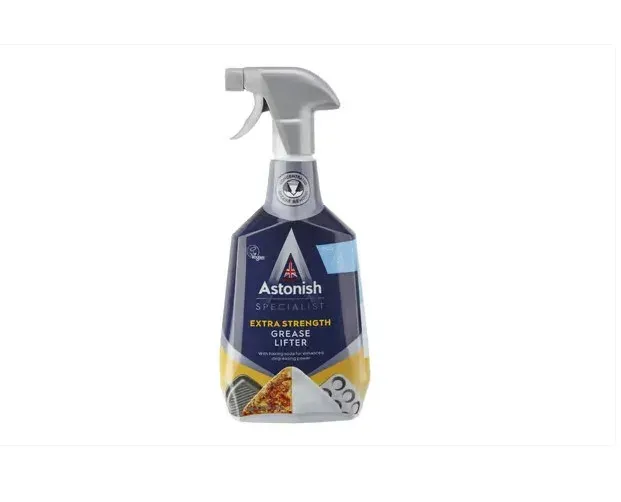
Quick answer: Astonish Air Fryer Cleaner uses a targeted, alkaline-based degreasing agent formulated specifically to dissolve polymerized grease without abrasive scrubbing. It preserves sensitive non-stick basket coatings, eliminates trapped food odors, and reduces maintenance down to a simple spray-and-wipe process.
Understanding Air Fryer Dirt and Why Standard Soaps Fail
When oils and animal fats are heated repeatedly above 350°F inside a compact air fryer chamber, they undergo a chemical transformation known as polymerization. The lipid molecules bond together into a tough, plastic-like varnish that firmly adheres to stainless steel, aluminum, and non-stick surfaces. Standard hand dishwashing liquids are engineered primarily to strip loose surface oils in warm water rinses. They simply lack the specific surfactant density and alkaline strength necessary to break down polymerized oil chains without thermal assistance or heavy force.
Reaching for abrasive scrub sponges, steel wool, or harsh oven sprays might seem like a fast solution, but these tools cause permanent structural damage. Abrasive pads create microscopic gouges on PTFE (Teflon) and ceramic coatings, causing food to stick even worse during subsequent cooks. Furthermore, traditional caustic oven cleaners rely on sodium hydroxide (potassium/lye) with a pH pushing 13 or 14, which rapidly corrodes aluminum components and releases harmful fumes inside small kitchen spaces. Maintaining your kitchen through proper deep cleaning requires targeted chemistries that target lipids without degrading metallic or polymer substrates.
This is where specialized formulations come into play. Astonish Air Fryer Cleaner utilizes a near-neutral to mildly alkaline pH profile (roughly pH 9.5 to 10.5) alongside fast-acting non-ionic surfactants. This precise balanced chemical balance breaks the chemical bonds of cross-linked oils while remaining completely safe for food-contact surfaces and sensitive appliance coatings. Instead of scraping away at carbonized bits, the solution penetrates beneath the grease layer, lifting it off the substrate so it easily rinses away.
Key Features and Chemical Performance of Astonish Air Fryer Cleaner
The primary advantage of using Astonish over multi-purpose household degreasers lies in its tailor-made formula. Designed specifically for compact thermal cooking appliances like Ninja, Cosori, Instant Vortex, and Philips models, it delivers heavy-duty breaking power without releasing harsh chemical fumes. Its surfactant engine works rapidly on contact, wetting out stubborn residues on basket grates and drip trays. Additionally, the formula is 100% cruelty-free, vegan-certified, and packaged in fully recyclable bottles, aligning perfectly with modern eco-friendly cleaners standards.
Safety on specialized coatings is another critical factor. Non-stick basket liners require gentle treatment to prevent flaking and peeling over time. Astonish achieves high degreasing performance without utilizing solvent naphtha, heavy citrus terpenes, or bleaching agents that degrade non-stick matrices. It effectively removes localized scorching and dark grease droplets while leaving delicate basket surfaces completely unblemished, prolonging the lifespan of your appliance basket significantly.
Cleaner's tip: Never spray any cleaner onto a scorching hot air fryer basket straight out of the unit. The extreme heat causes liquid formulas to flash-evaporate, leaving concentrated surfactant spots that can bake onto the non-stick finish and prove twice as hard to remove. Always let the basket cool down to a warm touch (around 100°F to 110°F) before applying your degreaser to maximize contact time and penetration.
Odors are another persistent problem in air fryer upkeep. Fish oils, spicy marinades, and garlic fats get trapped inside the porous carbon build-up along the interior walls and top heating element grill. Astonish actively neutralizes volatile organic compounds responsible for rancid grease smells instead of masking them with heavy synthetic perfumes. After washing and drying, your appliance returns to a neutral, clean scent, preventing flavor crossover into your next batch of baked goods or delicate foods.
Step-by-Step Cleaning Methods for Maximum Efficiency
To get professional-grade results during your kitchen maintenance routine, implementing a systematic approach makes all the difference. Following structured cleaning tips speeds up the process and prevents accidental damage to electrical components or heating coils inside the main housing unit.
- Unplug and Cool Down: Unplug the unit completely from the wall outlet. Allow the basket and drawer assembly to cool until comfortable to handle with bare hands.
- Dry Scrape Residual Fat: Wipe away pooled, loose oil in the bottom pan using a high-density paper towel before applying any liquid product. This prevents saturating your cleaner prematurely.
- Apply the Degreaser Liberally: Coat the entire basket matrix, perforated tray, and inner drawer walls with Astonish Air Fryer Cleaner. Ensure complete coverage over dark, sticky spots.
- Allow Dwell Time: Let the solution rest undisturbed for 3 to 5 minutes. For heavily baked-on grease, extend dwell time to 10 minutes to let the surfactants break down thick lipid layers.
- Agitate with Soft Tools: Use a non-scratch microfiber cloth or a soft nylon dish brush (recommended microfiber weight: 300 to 350 GSM) to gently lift softened deposits from mesh wire grids.
- Rinse and Dry Thoroughly: Rinse all removable parts under warm tap water (100°F–120°F). Dry completely with a clean towel before reassembling or placing back inside the main unit.
| Method | Effectiveness | Time Required | Safety |
|---|---|---|---|
| Astonish Cleaner | ★★★★★ (Best) | 5-10 mins | Safe for non-stick coatings |
| Baking Soda & Vinegar | ★★★☆☆ (Moderate) | 15-20 mins | Can be abrasive |
| Dish Soap & Water | ★★☆☆☆ (Weak) | 10-15 mins | May leave residue |
Performance Comparison: Astonish vs. Standard Cleaning Methods
Selecting the correct product involves weighing effectiveness against potential surface damage, cleaning effort, and cost. The table below outlines how Astonish compares directly against common DIY alternatives and heavy-duty industrial chemical cleaners across key metrics.
| Cleaning Method | Degreasing Power | Non-Stick Safety | Dwell Time Needed | Risk of Surface Corrosion |
|---|---|---|---|---|
| Astonish Air Fryer Cleaner | High | 100% Safe | 3–5 Minutes | None (Mildly Alkaline) |
| Standard Dish Soap + Water | Moderate to Low | 100% Safe | 15–30 Minute Soak | None |
| Baking Soda Paste & Vinegar | Moderate | Risk of Abrasion | 10–15 Minutes | Low (Physical Abrasion Risk) |
| Caustic Oven Sprays | Very High | Damages Non-Stick | 1–2 Minutes | High (Corrodes Aluminum) |
While DIY mixtures of baking soda and vinegar remain popular home remedies, their physical reality is often inefficient. Baking soda is physically abrasive (hardness rating of 2.5 on the Mohs scale), which can gradually wear away fine ceramic non-stick liners over time. Furthermore, mixing baking soda (a base) with vinegar (an acid) simply neutralizes both active ingredients into saltwater and carbon dioxide gas, stripping away their individual grease-cutting capacities. Utilizing a specialized formulation gives you targeted chemistry designed explicitly for grease removal.
When dealing with extreme carbon buildup on non-removable interior heating element shields, soft tools are essential. Instead of spraying liquid cleaners directly upward into electrical components, spray the formula onto a damp microfiber cloth and carefully wipe down the cold metal elements and surrounding stainless steel housing. This targeted application prevents moisture from entering internal circuitry while safely restoring reflective interior surfaces.
| Feature | Astonish | Easy-Off | Pink Stuff |
|---|---|---|---|
| Food-Safe | ✅ Yes | ❌ No | ✅ Yes |
| No-Rinse | ✅ Yes | ❌ No | ❌ No |
| Vegan | ✅ Yes | ❌ No | ✅ Yes |
| Price/oz | $0.35 | $0.28 | $0.42 |
Routine Maintenance vs. Deep Clean Schedules
Establishing an effective maintenance routine prevents heavy fat accumulation from turning into severe carbonized crusts. For everyday cooking involving low-fat foods like frozen fries or vegetables, a simple wipe down with warm water and mild soap after use is usually sufficient. However, whenever you cook high-fat proteins like bacon, sausages, or marinated chicken, perform a targeted cleaning session with your degreaser immediately after the unit cools down.
deep cleaning routines should be conducted monthly or bi-weekly depending on usage frequency. During deep cleaning, pay extra attention to the underside of the basket, the outer rim of the drawer slider, and the upper interior splash guard surrounding the heating coil. Keeping these secondary areas clean prevents old grease from smoking during high-temperature roasting cycles, ensuring a clean cooking environment every time.
If you prefer using automated dishwashers, double-check your manufacturer's care guidelines first. While many air fryer baskets are labeled dishwasher-safe, highly alkaline commercial dishwasher detergents and high-heat drying cycles can accelerate non-stick coating degradation. Hand-washing with a gentle, effective cleaner remains the best practice for prolonging the life of your appliance.
When Professional Cleaning Services Are Recommended
While day-to-day air fryer upkeep is simple for most home users, large-scale kitchen appliances or commercial-grade air frying units used heavily in catering operations present different challenges. When grease buildup spreads to commercial exhaust hoods, ductwork, or high-capacity oil fryers, hiring specialized professional cleaning services ensures compliance with local health codes and fire safety regulations. Professional technicians utilize high-pressure steam units and specialized food-grade degreasers capable of tackling large surface areas quickly and safely.
For standard household countertop units, dedicated personal care combined with the right degreasing agent is all you need to keep your machine in peak operating condition. By integrating simple spray-and-wipe routines into your standard kitchen cleanup, you protect your air fryer, preserve food flavors, and eliminate the hassle of relentless scrubbing.
For optimal results, spray your basket and pan with Astonish Air Fryer Cleaner immediately after it cools to a warm temperature, let it sit for 4 minutes, and wipe it down with a 300 GSM microfiber towel. This straightforward habit keeps your non-stick surfaces pristine, prevents smoke buildup, and ensures quick kitchen cleanups after every meal.
Frequently Asked Questions
Is Astonish Air Fryer Cleaner safe for all brands of air fryers?
Yes, the formula is specifically designed to be safe on non-stick coatings, ceramic surfaces, stainless steel, aluminum, and heat-resistant plastics used by major brands such as Ninja, Cosori, Instant Vortex, and Philips.
Can I spray Astonish directly onto the heating coil element?
Do not spray liquids directly onto electrical elements or inner heating coils. Instead, spray the cleaner onto a microfiber cloth and carefully wipe down cold heating elements and surrounding walls to avoid electrical short-circuits.
How often should I use a specialized cleaner on my air fryer?
Use it after cooking high-fat foods (such as bacon, wings, or red meat) or whenever you notice sticky, yellow oil residue forming on the basket walls. A quick spray every 3 to 5 uses keeps grease from turning into hard carbonized spots.
Does this cleaner leave behind any chemical odor or taste on food?
No, provided the basket and tray are rinsed thoroughly with warm water and dried completely after cleaning. The non-toxic formula washes off cleanly, leaving no harmful chemical residues or unpleasant flavors behind.
Sources
- Wikipedia: Air Fryer Technology & Overview
- US EPA: Safer Choice Cleaning Standards
- CDC Guidance: Cleaning and Hygiene Standards