Quick answer: Dissolving mineral scale requires an acidic solution with a pH around 2.0 to 3.0, such as a 50/50 mix of white distilled vinegar (5% acetic acid) and warm water, combined with 1 teaspoon of grease-cutting dish soap. Spray the surface, allow a 10-minute dwell time, scrub lightly with a non-scratch nylon pad, and finish with a professional rubber-bladed squeegee to guarantee a streak-free shine.
Understanding the Science of Glass Stains
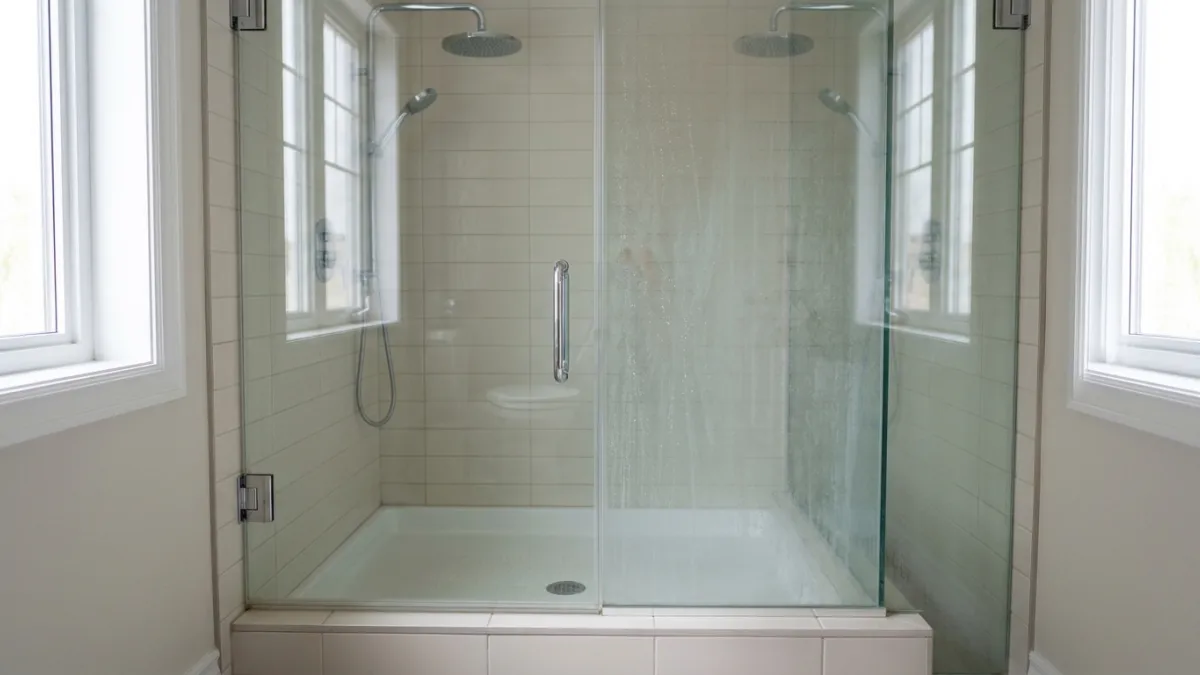
To eliminate cloudiness permanently, you must first identify what type of accumulation is affecting your glass. Shower doors suffer from two distinct forms of contamination: soap scum (calcium stearate) and mineral scale (hard water deposits like calcium carbonate and magnesium sulfate). Soap scum forms when insoluble mineral salts in water react with the sodium tallowate or fatty acids found in traditional soap bars. This leaves behind a sticky, water-repellent film that collects dead skin cells, body oils, and mold spores.
Hard water stains, on the other hand, occur when water drops evaporate on the glass, leaving dissolved inorganic minerals behind. If left untreated, these mineral deposits undergo silica etching—a severe chemical process where alkaline compounds eat into the actual surface of the glass, creating permanent microscopic pits. Regular house cleaning routines often fail because homeowners use neutral or alkaline glass cleaners (pH 7.0–10.0) that cannot break down alkaline mineral salts. To dissolve hard water deposits safely, you must apply a mildly acidic cleaner (pH 2.0–3.0) that breaks the molecular bonds holding the minerals to the silica substrate.
Glass is surprisingly porous on a microscopic scale. Every time hot water creates steam inside your shower, the microscopic pores in annealed or tempered glass expand, allowing mineralized water droplets to lodge deeper inside. Applying high-quality protective sealants after a deep cleaning fills these microscopic valleys, forcing water to bead up and roll off before chemical bonding can occur.
Essential Tools and Chemical Solutions
Achieving a streak-free finish relies heavily on selecting the correct equipment and chemical formulations. Using coarse steel wool, abrasive scouring powders, or worn-out sponges will scratch tempered shower glass, leaving fine abrasions that trap even more scum in the future. Professional cleaning services rely on calibrated microfiber towels, ergonomic squeegees, and specialized non-abrasive scrubbing pads.
Cleaner's tip: Never wipe down shower glass in direct sunlight or when the bathroom is excessively hot from a fresh shower. Thermal energy causes your liquid cleaning solution to evaporate in under two minutes, leaving concentrated chemical residue and instant streaks before you even have a chance to rinse or squeegee the panel.
For chemical selection, you can choose between commercial formulations and homemade eco-friendly cleaners. Commercial products containing phosphoric acid or sulfamic acid work exceptionally fast on severe calcification, but they require robust ventilation and chemical-resistant nitrile gloves. Natural alternatives, such as household white vinegar (5% concentration) or dissolved citric acid powder, provide identical dissolving power with zero toxic fumes when given adequate dwell time.
| Cleaning Solution / Tool | pH Level or Specification | Best Used For | Safety & Surface Compatibility |
|---|---|---|---|
| White Distilled Vinegar Solution | pH 2.4 (Acidic) | Light to moderate hard water & soap scum | Safe for tempered glass; avoid on natural marble/granite tile |
| Citric Acid Solution (2 tbsp per 16 oz) | pH 2.2 (Acidic) | Heavy mineral calcification & scale | Odorless; safe for glass and chrome; avoid natural stone |
| Commercial Gel Scale Remover | pH 1.0 – 2.0 (Strong Acid) | Severe multi-year mineral etching | Requires gloves, mask, and strict 5-minute maximum dwell time |
| Heavy-Duty Microfiber Cloth | 300 – 400 GSM (Split Microfiber) | Drying, buffing, and edge wiping | 100% safe on all glass, metal fixtures, and natural stone surround |
| Professional Brass Squeegee | 10 to 14-inch silicone rubber blade | Removing liquid film without streaks | Essential daily tool; replace rubber blade every 6 to 12 months |
Step-by-Step Deep Cleaning Process
Restoring dirty glass to optical clarity requires a methodical approach. Skipping steps—such as omitting the initial rinse or using a dirty dry cloth—will drag loosened grime back across the clean surface, creating broad hazy streaks.
- Step 1: Dry Dust and Pre-Rinse: Wipe down the frame and glass with a dry 300 GSM microfiber towel to remove loose hair and lint. Rinse the inner glass panel with warm water to warm the surface and soften surface oil.
- Step 2: Apply Acidic Cleaning Solution: Mix equal parts 5% white vinegar and warm water in a heavy-duty spray bottle, adding 1 teaspoon of concentrated liquid dish soap (pH neutral, oil-cutting formulation like Dawn). Spray generously over the glass panel from top to bottom.
- Step 3: Honor Dwell Time: Allow the cleaning mixture to sit on the glass for 10 to 15 minutes. Dwell time is critical—it allows the acid to hydrolyze calcium carbonate without physical scrubbing force. Re-spray if the panel begins drying prematurely.
- Step 4: Agitate with Non-Scratch Tools: Gently scrub the panel in small circular motions using a non-scratch white nylon scrubbing pad or a dedicated light-duty scrub sponge. Pay extra attention to bottom corners where soap sludge gathers.
- Step 5: Rinse Thoroughly: Wash away all dissolved minerals and soap slurry using a hand-held shower wand or a cup of clean, warm water. Ensure no detergent residue remains in the top tracks or frame crevices.
- Step 6: Squeegee and Buff: Starting at the top left corner, pull a clean silicone squeegee straight down to the bottom edge in overlapping vertical passes. Wipe the squeegee blade dry with a clean cloth after every single stroke. Buff residual moisture along edges using a dry, clean waffle-weave glass microfiber towel.
Preventing Future Buildup and Daily Maintenance Routines
Once your shower enclosure is completely free of hazing, establishing a brief daily maintenance routine takes less than one minute and reduces the need for heavy chemical deep cleaning to once every three months. Water spots only form when drops of hard water are permitted to dry in place on the glass surface.
Keep a high-quality 12-inch rubber squeegee hanging inside the shower enclosure. Instruct every family member to swipe down the glass panels and tiled walls immediately after finishing their shower. Following the squeegee pass, keep the shower door cracked open for 30 minutes or run a ceiling exhaust fan rated for at least 50 to 100 CFM (cubic feet per minute) to drop the ambient humidity below 50%, stopping mold and mildew spores from germinating along silicone sealant joints.
Applying hydrophobic glass treatments—such as Rain-X Shower Door Water Repellent, EnduroShield, or polymer-based carnauba glass waxes—creates an invisible polymer barrier over the glass substrate. These treatments lower the surface energy of the glass, causing water droplets to bead up tightly and slide straight down into the drain under gravity. Reapply hydrophobic coatings every 60 to 90 days following a routine maintenance clean for best performance.
Frequently Asked Questions
Can I use steel wool to scrub hard water spots off shower glass?
You can use extra-fine Grade #0000 steel wool, but only on completely dry glass and with extreme caution. Grade #0000 steel wool is fine enough to buff off stubborn silica scale without scratching tempered glass. However, never use coarser grades (#00, #1, or standard kitchen scouring pads), and never use steel wool wet, as microscopic metal fibers can snap off, rust, and stain surrounding grout lines.
Why does my glass look cloudy even after thorough scrubbing?
If your glass remains hazy after using acidic scale removers and non-scratch pads, the glass has likely suffered permanent silica etching. Etching occurs when neglected hard water deposits leach sodium ions out of the glass matrix, causing microscopic pitting. Etched glass cannot be cleaned off with chemical solutions; it must be mechanically polished using cerium oxide slurry with a high-speed rotary buffer or replaced entirely.
Is bleach effective for removing soap scum on glass doors?
No, liquid household bleach (sodium hypochlorite) is a disinfectant and whitening agent, not a descaler or grease emulsifier. Bleach has an alkaline pH of roughly 11.0 to 13.0, making it chemically ineffective against alkaline calcium scale. Additionally, mixing bleach with acidic glass cleaners or ammonia produces toxic chloramine gas. Stick to acidic solutions like vinegar or citric acid for mineral scale, and save bleach strictly for disinfecting non-porous floor tiles.
For immediate results, start by mixing a 50/50 warm vinegar and dish soap solution, let it sit on the glass for 15 minutes, scrub with a non-scratch nylon pad, rinse with hot water, and pull the liquid down with a clean rubber squeegee. Once clean, seal the panel with an auto-glass hydrophobic treatment to keep your shower crystal-clear for months.
Sources
- U.S. Environmental Protection Agency (EPA) - Household Cleaning & Disinfecting Guidance
- Wikipedia - Hard Water & Mineral Scale Formation
- Wikipedia - Chemistry of Soap Scum
Looking for the Right Supplies?
Check out our verified Top Cleaning Products & Tools on Amazon.
As an Amazon Associate, we earn from qualifying purchases.