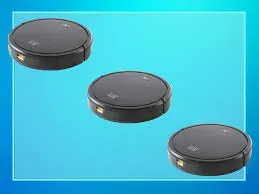
Quick answer: The Aldi robot vacuum cleaner (typically priced between $99 and $149) is an excellent, low-cost entry point for daily maintenance cleaning on hard floors and low-pile rugs. While it lacks high-end LiDAR mapping and precise app boundary controls, its solid 1800 Pa to 2000 Pa suction power and reliable bump-and-go navigation make it a fantastic bargain for smaller homes, apartments, or pet owners on a tight budget.
Aldi Robot Vacuum Features and Hardware Specifications
Understanding what lies beneath the outer plastic shell of an Aldi robot vacuum helps set realistic expectations for your house cleaning routine. Most models released under the Easy Home badge feature a low-profile design, usually measuring just under 3 inches in height. This slim clearance allows the unit to easily slip under sofas, TV stands, and low bed frames where dust bunnies love to hide. Inside, you will typically find a brushless motor capable of generating anywhere from 1400 Pa up to 2000 Pa of suction power. While this does not match the 6000+ Pa seen on $800 flagship models, it is more than enough to pull up surface dust, stray kibble, and loose pet hair from sealed hardwood, tile, and vinyl plank flooring.
The filtration and collection system is straightforward but effective for basic upkeep. Most Aldi units come equipped with a 0.4 to 0.5-liter dustbin, which is standard for compact robotic vacuums. Inside the bin, a dual-stage filtration setup includes a washable primary mesh filter paired with a high-efficiency particulate air (HEPA) insert. This HEPA filter traps tiny allergens, dander, and microscopic debris down to 0.3 microns, preventing them from blowing back into your living space. The underside of the unit features dual spinning edge-sweeping brushes that funnel debris toward a central suction intake, which may either be a direct suction port or a rotating roller brush depending on the specific model year.
Cleaner's tip: Never submerge the paper HEPA filter in water when cleaning out the dustbin! Moisture causes the delicate paper fibers to degrade, drastically reducing airflow and potentially ruining the vacuum motor. Instead, tap the filter gently against the inside of your trash can to knock off loose dust, and replace the HEPA insert every 3 to 6 months to maintain peak 2000 Pa suction.
Powering these units is usually a 2600 mAh lithium-ion battery pack. On standard power settings, this battery provides roughly 90 to 100 minutes of continuous run time, which is ample coverage for an open-concept living area or a standard two-bedroom apartment. When the battery charge drops below 20%, internal sensors trigger an automatic return-to-base function. The robot will stop cleaning and hunt for its charging dock signal to top off its battery for the next scheduled run.
Performance Comparison: Aldi vs. Name-Brand Competitors
To really appreciate where the Aldi robot vacuum sits in the market, it helps to compare its technical specs and everyday capabilities against well-known entry-level models like the Roomba 694 and the Eufy RoboVac 11S. While premium devices utilize top-mounted LiDAR domes or optical cameras for 3D room mapping, the Aldi vacuum relies primarily on infrared cliff sensors (to prevent falling down stairs) and tactile mechanical bumpers for turn-on-contact navigation.
| Feature / Specification | Aldi Easy Home Robot Vacuum | Eufy RoboVac 11S | iRobot Roomba 694 |
|---|---|---|---|
| Average Retail Price | $99 - $149 | $160 - $220 | $240 - $275 |
| Suction Power (Pa) | 1800 - 2000 Pa | 1300 Pa | ~1500 Pa (Air Power) |
| Navigation Type | Random Bounce / Gyroscope | Random Bounce | Adaptive iAdapt 1.0 |
| Dustbin Capacity | 0.45 Liters | 0.60 Liters | 0.60 Liters |
| Max Run Time | Up to 100 mins | Up to 100 mins | Up to 90 mins |
| App / Voice Control | Select Models (Wi-Fi) | No (Remote Only) | Yes (iRobot Home / Alexa) |
As the comparison shows, the Aldi robot vacuum delivers equal or superior suction power compared to entry-level units from major floor care brands, but at roughly half the cost. The tradeoff primarily comes down to brand recognition, long-term replacement part availability, and app polish. If your goal is simply keeping bare floors free of daily crumbs and dust without spending hundreds of dollars, the hardware stats make the Aldi unit an incredible bargain for ongoing home maintenance.
Real-World Aldi Robot Vacuum Review: Pros, Cons, and Cleaning Efficiency
Putting the Aldi robot vacuum through its paces in an active household reveals both its clear strengths and its practical limitations. On hard surfaces like glazed ceramic tile, engineered hardwood, and luxury vinyl plank (LVP), the vacuum excels. The dual side brushes sweep right up against baseboards, snatching rogue pet hair and stray dirt. For households with short-haired dogs or cats, running the Aldi vacuum on a daily schedule drastically reduces the need to drag out a heavy corded upright during your weekend deep cleaning sessions.
However, performance drops noticeable when transitioning to high-pile carpet or thick area rugs. Because budget robot vacuums lack high-torque brush motors, the rotating roller can drag or get tangled in long carpet fibers. Additionally, the random-bounce navigation method means the vacuum cleans by zig-zagging across the floor until it touches an obstacle. In large, complex floor plans with multiple rooms, it may miss certain spots during a single run while vacuuming other areas three times over. It lacks the ability to save a digital floor plan or set virtual "no-go zones," meaning you will need to manually close doors or use magnetic boundary strips to keep it out of delicate areas.
Maintenance on the Aldi robot vacuum is straight-forward but requires consistency. Because the dustbin is moderately sized, you will need to dump the collected debris after every single cleaning cycle. The main brush roll also tends to accumulate hair wraps quickly, especially in homes with long-haired family members. Fortunately, Aldi includes a small cleaning tool with a built-in blade inside the box, making it easy to slice through tangled threads and hair every week.
How to Choose and Buy an Aldi Robot Vacuum
If you are convinced that the Aldi robot vacuum fits your lifestyle, the biggest challenge is actually finding one in stock. Because Aldi operates on the "Special Buys" model, these vacuums are not stocked year-round on regular retail shelves. Instead, they drop twice a year—typically during spring cleaning events in March/April and ahead of the holiday shopping season in November. They are advertised in weekly printed circulars and on the store's digital storefront a week before they hit the floor.
When shopping for an Aldi model, pay close attention to the box features. Older or ultra-budget iterations (under $100) are completely analog, operating via a physical start button on top or a basic infrared remote control. Newer releases (typically priced between $129 and $149) feature built-in Wi-Fi chipsets, allowing you to connect the machine to the Tuya or Smart Life app. App-compatible models allow you to create daily cleaning schedules, monitor battery life, and start the vacuum remotely while you are at work.
For those looking for complete automated floor care solutions, evaluate your flooring mix carefully before standing in line. If your home consists of 70% hard surfaces and 30% low-pile rug runners, the Aldi unit will perform admirably. However, if your living space is dominated by plush wall-to-wall carpeting or cluttered with low-hanging electrical cords, you may want to save your budget for a higher-end unit featuring laser obstacle avoidance and automatic carpet-boost suction tech.
For renters, apartment dwellers, or budget-conscious homeowners looking to eliminate daily floor sweeping, the Aldi robot vacuum cleaner is a clear winner. Keep an eye on your local Aldi weekly ad, clear small obstacles and cords off your floor before letting it run, and clean the HEPA filter regularly to enjoy effortless daily maintenance at a unbeatable price point.
Frequently Asked Questions
Does the Aldi robot vacuum work on thick carpets?
The Aldi robot vacuum works best on hard floors (wood, tile, LVP) and low-pile carpets. On plush or high-pile carpeting, the motorized brush roll and drive wheels can struggle, resulting in reduced suction performance or the vacuum getting stuck.
Where can I get replacement parts like brushes and HEPA filters for my Aldi vacuum?
While Aldi does not sell replacement parts in stores year-round, most Easy Home and Ferrex robot vacuums are rebranded models manufactured by generic smart-home OEM vendors. You can easily find compatible replacement side brushes, main roller brushes, and HEPA filters on Amazon or eBay by searching for your specific model number printed on the bottom sticker of the vacuum.
Can the Aldi robot vacuum map my house?
No, standard Aldi robot vacuums do not feature LiDAR or camera-based floor mapping technology. They use gyroscope navigation or random-bounce sensors to move around rooms. While some models feature app control for scheduling, they do not save or display a real-time visual map of your floor plan.
How long does the battery last on a full charge?
The standard 2600 mAh battery built into most Aldi units provides roughly 90 to 100 minutes of continuous cleaning on normal suction mode. When the battery runs low, the vacuum automatically searches for its charging dock signal to recharge.