Disclosure: As an Amazon Associate, we earn from qualifying purchases.
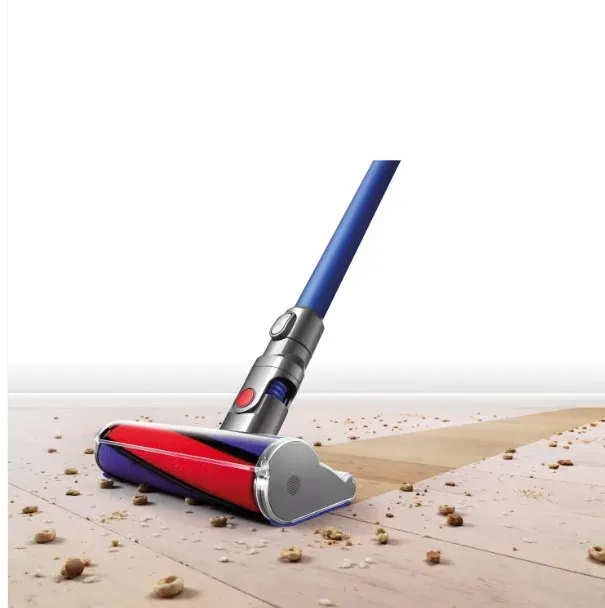
Hardwood floors, polished porcelain tile, and luxury vinyl planks require specialized care during routine house cleaning. While standard motorized brush rolls feature stiff nylon bristles designed to agitate carpet fibers, they often push large particles around hard surfaces or leave microscopic scratches on delicate finishes. The Dyson Soft Roller Cleaner Head—frequently called the Fluffy head—was engineered specifically to solve this issue by capturing fine dust and heavy debris simultaneously without damaging flooring.
Quick answer: The Dyson Soft Roller Cleaner Head combines soft woven nylon with anti-static carbon fiber filaments to trap large debris and micro-dust on hard floors. Quick-release versions fit seamlessly on Dyson V7, V8, V10, V11, V12, and V15 models, while older V6 models require a dedicated legacy connection. It is designed strictly for hard surfaces like hardwood, tile, and laminate, making it an essential tool for effective home maintenance.
How the Dyson Soft Roller Cleaner Head Works: Engineering and Design
Traditional vacuum cleaner heads rely on high-speed agitation and narrow suction gates to lift dirt from deep inside carpet pile. When applied to sealed hardwood or glazed tile, this traditional design creates two distinct problems: debris scatter and surface abrasion. The Dyson Soft Roller Cleaner Head takes a completely different approach to physics and air velocity. By removing the traditional front bumper gate, the roller makes direct contact with debris before suction pulls it into the air path.
The roller bar itself is wrapped in a high-density microfiber material (weighing approximately 400 to 450 GSM) composed of soft woven nylon. As the motor drives the roller, these thick nylon fibers envelop large debris such as cereal, dry pet food, and stray cat litter, rolling over the particles and sealing them against the floor surface rather than plowing them forward. This maintains constant floor contact, preserving suction sealing even when picking up irregular shapes.
Soft Woven Nylon and Carbon Fiber Filament Technology
Static electricity is one of the biggest challenges in hard floor care. As vacuum heads glide over dry timber or laminate, friction creates a static charge that bonds ultra-fine dust (pollen, dander, skin cells) to the floor surface. To counteract this, Dyson integrates rows of conductive carbon fiber filaments directly into the soft roller strip. These ultra-thin carbon strands dissipate static charges upon contact, releasing fine dust particles so that the vacuum’s suction stream can draw them into the clear bin.
This dual-action mechanism allows the head to operate efficiently even at moderate suction settings. For instance, when running a Dyson V8 or V10 in standard power mode (around 28 to 35 Air Watts), the soft roller collects microscopic dust as effectively as higher suction modes, preserving battery life for full-home deep cleaning sessions.
Why Standard Motorheads Struggle on Hard Floors
Standard brush bars, such as Dyson's High Torque or Motorbar attachments, feature stiff nylon bristles rotated by powerful motors. On carpets, these bristles agitate carpet backing to loosen embedded dirt. However, on hard surfaces, those rigid bristles can strike fine grit against wood varnish, resulting in micro-scratches over time. Furthermore, the plastic housing on standard heads sits low to the ground to direct airflow, which creates a barrier that pushes larger items across the room instead of vacuuming them up.
Compatibility Guide: Matching Your Dyson Model to the Right Head
Determining whether a soft roller cleaner head fits your specific Dyson cordless vacuum comes down to two major factors: the mechanical neck connector type and the motor's power delivery system. Dyson has updated its attachment fitting mechanisms across generations, meaning not all "Fluffy" heads are interchangeable across every model line.
Hard Floor Perfection: Dyson Original Fluffy Soft Roller Head

Quick-Release vs. Older Legacy Connectors
Dyson vacuums fall into two primary connection categories. Legacy models like the Dyson V6 (and DC59/DC62 series) utilize an older red-button latch system with internal pin contacts located inside the wand barrel. Modern models starting from the Dyson V7 onwards feature the standardized Quick-Release red button catch located on the outside of the attachment neck.
Because of electrical wiring differences and neck geometry, a standard V8 or V10 soft roller head will not physically lock or supply power to a V6 wand without third-party electronic adapters (which are generally not recommended due to voltage variance). Always verify the attachment interface on your unit before buying replacement parts during home maintenance upgrades.
Voltage, Suction, and Model Cross-Compatibility Matrix
While the quick-release catch on V7, V8, V10, V11, V12, V15, and Outsize models looks identical, internal direct-drive motor specs and wattage differ slightly between generations. The chart below breaks down cross-model compatibility and key head specifications to help you choose the correct part number.
| Dyson Model Line | Connection Type | Compatible Part Number(s) | Max Suction Output (Air Watts) | Primary Surface Suitability |
|---|---|---|---|---|
| Dyson V6 Series (Absolute/Animal/Motorhead) | Legacy Internal Pin (Grey/Red Latch) | 966489-01 / 966489-10 | 100 AW | Hardwood, Tile, Vinyl, Laminate |
| Dyson V7 & V8 Series | Quick-Release (External Red Button) | 966489-04 / 966489-08 / 966489-11 | 100 – 115 AW | Sealed Wood, Marble, Polished Concrete |
| Dyson V10 & V11 Series | Quick-Release (External Red Button) | 966489-09 / 966489-14 | 151 – 185 AW | All Hard Flooring Types |
| Dyson V12 Detect Slim | Slim Quick-Release (Narrow Neck) | 971360-01 (Illuminated) | 150 AW | Hard Floors (Slim Profile) |
| Dyson V15 Detect & Gen5detect | Quick-Release (Standard / Slim Fluffy) | 972417-01 (Fluffy Optic) | 230 – 280 AW | Hard Floors with Dust Detection Light |
Real-World Performance & Reviews: What Works and What Doesn't
In independent home tests and user reviews across major home care forums, the Dyson Soft Roller Head consistently receives high marks for hard floor cleaning. Homeowners with large expanses of engineered hardwood or polished natural stone highlight its ability to pick up fine, flour-like dust without leaving behind faint grey streaks or chatter marks. The soft roller acts almost like a dry microfiber mop and vacuum combined into one step, significantly speeding up routine maintenance routines.
Pet owners also praise the head for its resistance to hair wrapping compared to traditional bristle bars. Long pet hair gets drawn directly over the soft velvet cylinder and pulled immediately up the neck assembly, reducing the time spent cutting wrapped hair out of brush bearings with scissors.
Cleaner's tip: Never use the soft roller head on damp or freshly washed floors. If the microfiber sleeve absorbs moisture while running, fine dust will turn into sticky mud, clinging to the internal plastic air chute and clogging the motor inlet. Allow your floors to dry completely after mopping with a neutral pH floor cleaner before running your Dyson stick vacuum.
Hardwood, Tile, and Laminate Efficiency
On grout lines and micro-beveled hardwood edges, the soft roller excels because the plush fabric conforms slightly into shallow grooves. Standard hard floor floor tools with stiff bristles often ride over grout channels, leaving sand and grit behind. The soft roller's direct-drive internal motor spins the cylinder fast enough to throw trapped particles directly into the high-velocity air path, ensuring deep cleaning even along baseboards and cabinet toe-kicks.
Illuminated Cleaning Power: LED Soft Roller Attachment for Dyson

Limitations on Low-Pile Rugs and Carpets
Despite its versatility on hard surfaces, the soft roller cleaner head is not intended for carpets or area rugs. Because the roller lacks rigid stiff bristles, it cannot penetrate textile fibers to agitate embedded dirt. Additionally, when dragged over low-pile rugs or entrance mats, the thick nylon fabric creates excessive friction, which can trigger the vacuum’s internal circuit breaker and cause the head to shut down unexpectedly. For homes with a mix of hard floors and wall-to-wall carpets, swapping between the Soft Roller and a dedicated Motorbar/High Torque head remains the best cleaning practice.
Step-by-Step Maintenance and Replacement Guide
Proper maintenance of your Dyson soft roller head ensures consistent suction and extends the working lifespan of the motor assembly. Over time, grease, sticky residue, and fine dust can accumulate inside the soft roller cover or bind the end-cap roller bearing.
Washing and Drying the Soft Roller
- Disconnect Power: Detach the soft roller cleaner head from your Dyson vacuum wand and turn off the power unit.
- Release the End Cap: Locate the quick-release locking mechanism or coin-slot toggle on the side of the head. Turn it counterclockwise 90 degrees to unlock the end cap assembly.
- Remove the Roller Bar: Slide the soft plush roller cylinder straight out of the plastic housing. Unclip the small secondary rear roller bar if your model includes one.
- Rinse Under Cold Water: Wash the soft roller bar under cold running water without using laundry detergents, fabric softeners, or harsh alkaline cleaners. Gently squeeze the fabric with your hands to flush out embedded silt and dust.
- Air Dry Completely: Stand the roller bar upright in a warm, well-ventilated space. Allow it to air dry for a minimum of 24 full hours. Do not place it in a clothes dryer, microwave, or direct sunlight, as high heat will warp the internal plastic core.
- Reassemble: Once 100% dry, slide the roller back onto the drive axle, reattach the end cap, and lock the latch back into place.
Replacing Worn Parts and Flex Hoses
After years of heavy house cleaning, the flexible corrugated hose inside the swivel neck joint can develop micro-tears or cracks. A damaged hose causes a severe loss of suction and allows fine dust to blow out near the floor connection. Replacement flex hoses, end-cap locks, and replacement soft roller cylinders are widely available through official Dyson spare parts channels and reputable HVAC/vacuum supply outlets.
To replace a damaged flex hose, loosen the T8 Torx screws holding the neck housing together, pop the clear pivot elbow out, unthread the old rubber hose, and twist the new hose onto the internal fittings. This simple 15-minute DIY repair saves you from having to purchase an entire replacement head assembly.
Troubleshooting Common Roller Head Issues
- Roller stops spinning: Check the drive connector spindle for tangled hair or string. Clean the electrical contact pins on the neck joint with an dry microfiber cloth to ensure steady power delivery.
- Squeaking noises: Inspect the small clear wheels underneath the soleplate. Hair wrapped around the tiny wheel axles causes friction; remove hair with fine tweezers.
- Loss of suction: Inspect the flexible neck hose for hidden blockages, such as large coins, small toys, or clumped pet hair lodged at the bend.
Refresh Your Suction: Direct-Replacement Soft Roller Bar Kit

For optimal hard floor care, pair your soft roller vacuuming routine with eco-friendly cleaners or mild, neutral-pH solution mops. Investing in original manufacturer replacement heads or certified high-quality parts ensures your Dyson vacuum maintains peak air watt efficiency while preserving the value of your home’s flooring.
Frequently Asked Questions
Can I use the Dyson Soft Roller Head on carpet or rugs?
No, the soft roller cleaner head is designed exclusively for hard floor surfaces such as hardwood, tile, marble, and laminate. It lacks stiff bristles to agitate carpet fibers, and running it on rugs can cause the roller motor to stall or overheat due to high friction.
Is the soft roller bar machine washable?
No, you should never place the soft roller cylinder in a washing machine or dishwasher. Wash it by hand under cold running water without soap or chemical detergents, and let it air dry completely for at least 24 hours before reassembling.
Why does my Dyson soft roller stop spinning shortly after turning the vacuum on?
This usually happens when hair or threads wrap tightly around the end-cap spindle or small bottom wheels, overloading the internal motor safety cut-off. Clear any tangled debris from the drive shaft and check that the electrical contact pins on the quick-release neck are clean and securely latched.
Are third-party aftermarket soft roller heads as good as original Dyson heads?
While third-party replacement heads are often less expensive, genuine Dyson soft roller heads use higher GSM density microfiber, precision-balanced motors, and genuine conductive carbon fiber filaments that static-discharge dust effectively without risking electrical incompatibility with your vacuum handle.
Sources
- Dyson Official Floor Care & Accessory Support
- U.S. Environmental Protection Agency - Indoor Air Quality & Dust Control Guidance
- Wikipedia - Microfiber Textiles & Synthetic Fiber Engineering
Looking for the Right Supplies?
Check out our verified Top Cleaning Products & Tools on Amazon.
As an Amazon Associate, we earn from qualifying purchases.