
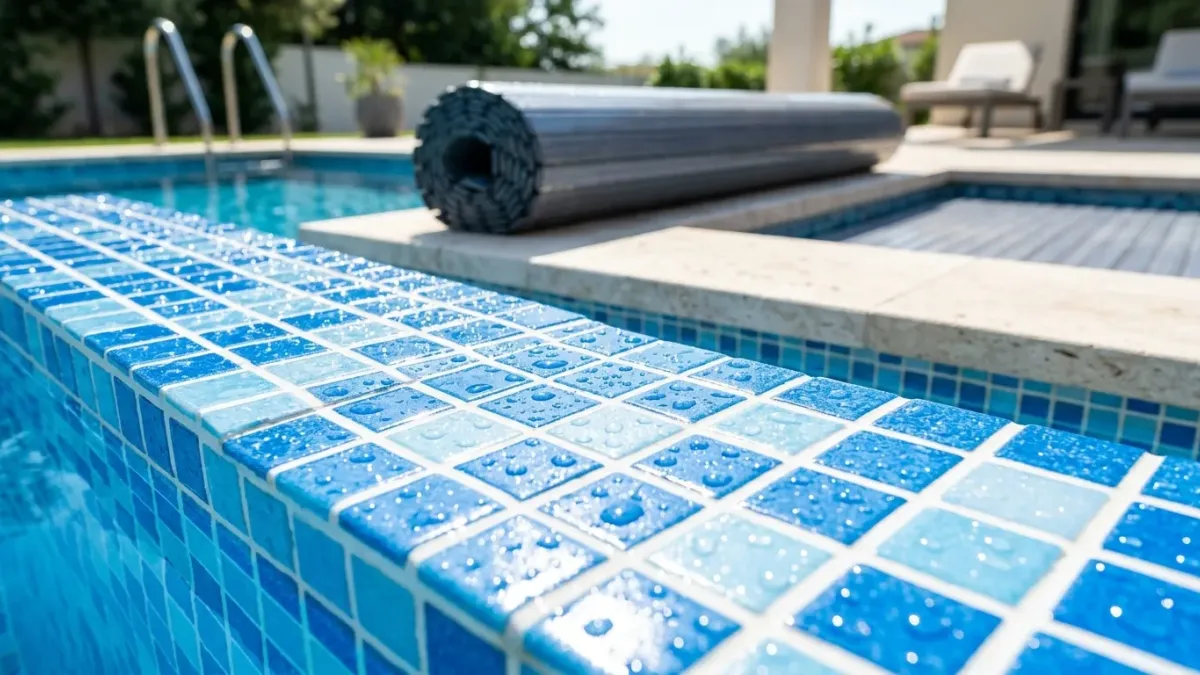
Quick answer: Comprehensive pool health relies on physically scrubbing skimmer baskets weekly, removing calcium scale and oil scum lines from tiles monthly using specialized brushes or mild acid solutions, and cleaning pool covers seasonally with pH-neutral cleaners (pH 7.0–7.5) before storage.
The First Line of Defense: Deep Cleaning Pool Skimmers
Pool skimmers act as the central entry point for your pool's circulation system, continuously drawing surface water into the filtration setup to trap floating debris before it sinks. When leaves, insects, and twigs accumulate inside the skimmer basket, water flow drops significantly, forcing the circulation pump to work harder under extreme strain. Over time, an overfilled skimmer basket can crack under suction pressure or allow fine organic waste to break down, releasing nitrates and phosphates directly into your water that feed green algae growth.
Proper skimmer care extends beyond simply dumping out leaves; it requires a thorough deep cleaning routine that targets the housing, weir door, and basket material. Biofilm and slime frequently coat the interior plastic walls of the skimmer housing, acting as a breeding ground for bacteria. Cleaning this assembly safeguards pump efficiency and lowers overall chemical consumption, making it an essential task for home maintenance.
Cleaner's tip: Always inspect the skimmer's floating weir door during your weekly routine. If the hinge gets bogged down with oils or calcium deposits, the door sticks open, causing trapped debris to float back out into the pool the moment the pump shuts off. A quick scrub with a nylon brush restores smooth movement instantly.
Step-by-Step Skimmer Cleaning Method
- Power Down Equipment: Shut off the pool pump at the main breaker or controller to eliminate suction hazards before placing hands near the skimmer opening.
- Basket Removal and Dry Debris Disposal: Remove the skimmer lid and carefully lift out the basket. Empty dry organic debris directly into a yard waste container.
- Scrubbing and Biofilm Breakdown: Spray the basket with a diluted solution of dish soap and warm water (roughly 1 tablespoon of concentrated soap per gallon of water, pH 7.0–8.0). Scrub inside and out using a medium-bristled utility brush.
- Housing and Weir Door Care: Reach into the skimmer housing with a curved pool wall brush to scrub away slippery biofilm and algae from the plastic interior walls and the weir door hinges.
- Rinse and Reinstall: Thoroughly rinse the basket with clean water from a garden hose before placing it back inside the skimmer housing, ensuring it sits flat against the suction pipe orifice.
Tackling Waterline Tiles: Eliminating Scum Lines and Hard Scale
The tiles along your pool's waterline suffer from constant exposure to alternating wet and dry conditions, extreme sunlight, and a mixture of floating contaminants. Body oils, sunscreens, cosmetics, and airborne dust combine at the surface to create a sticky, dark scum line along the tile band. Furthermore, as pool water evaporates, dissolved minerals settle onto the tile surface, crystallizing into hard calcium deposits that standard scrubbing tools cannot remove.
Identifying the exact type of buildup on your tiles is necessary before selecting cleaning agents or abrasive tools. Calcium silicate appears as a tough, grayish-white scale that reacts slowly to acid, while calcium carbonate presents as a white, flaky crust that effervesces rapidly when exposed to acidic formulas. Treating these surfaces correctly prevents permanent etching of delicate tile glazes or erosion of the cementitious tile grout.
For routine scum line cleaning, eco-friendly cleaners like baking soda (sodium bicarbonate) mixed into a thick paste with water offer a mild abrasive action with a gentle pH around 8.3. However, severe mineral buildup requires specialized pool tile cleaners or mild acid washes. When handling stronger tile cleaning chemicals, safety equipment including safety glasses, chemical-resistant nitrile gloves, and closed-toe footwear is mandatory to avoid skin burns and eye injuries.
Tile Cleaning Solutions and Compatibility
| Deposit Type | Recommended Cleaning Solution | Tool / Brush Type | Target Surface |
|---|---|---|---|
| Oily Scum Line | Enzyme-based Tile Cleaner or Baking Soda Paste | Nylon Bristle Brush or Microfiber (300+ GSM) | Ceramic, Porcelain, Glass Tile |
| Calcium Carbonate Scale | Diluted Muriatic Acid (10:1 water-to-acid ratio) or Sulfamic Acid | Pumice Stone (kept wet) or Stiff Nylon Brush | Ceramic & Porcelain Tile (Avoid Glass) |
| Calcium Silicate Scale | Specialized Commercial Scale Remover (Phosphoric Acid base) | Wet Natural Pumice Stone with light pressure | Glazed Ceramic Tile |
When dealing with persistent calcium deposits, a wet pumice stone works remarkably well on traditional ceramic tiles. Always keep both the tile and the pumice stone completely saturated with water; dry pumice acts like coarse sandpaper and will scratch decorative glazes. Soft glass tiles should never be scrubbed with pumice or wire brushes; stick exclusively to nylon pads and specialized enzyme or acidic tile gel formulas.
Restoring and Maintaining Pool Covers for Longevity
Whether you utilize an automatic safety cover, a manual solid winter cover, or a light solar blanket, your pool cover functions as a giant shield against the elements. Throughout the season, covers collect heavy loads of wet leaves, dirt, bird droppings, and standing rainwater. Leaving these organic pollutants to decompose on top of the cover damages the vinyl or polyethylene fabric, degrades UV-inhibiting coatings, and introduces foul contaminants into the pool during cover removal.
deep cleaning a pool cover requires ample space, proper chemical selection, and careful handling to prevent punctures or torn seams. High-pressure power washers delivering over 1500 PSI should be avoided, as intense water pressure strips away protective weather-proofing layers and splits heat-welded seams. Instead, low-pressure garden hoses paired with soft-bristle push brooms yield effective results without compromising material integrity.
Before scrubbing, pump off standing water using a submersible cover pump rated for at least 350–500 Gallons Per Hour (GPH). Once free of standing water, sweep off loose debris. Apply a dedicated pool cover cleaner or a mild solution of biodegradable dish soap mixed with warm water. Never use harsh bleach solutions or ammonia-based cleaners; mixing household bleach with acidic runoff or ammonia compounds creates toxic chloramine gas and rapidly breaks down cover stitching.
Step-by-Step Cover Deep Cleaning Routine
- Pump Off Debris Water: Use an automatic submersible pump to drain every drop of trapped rainwater from the top surface.
- Clear Solid Waste: Gently sweep away twigs, leaves, and mud using a wide, soft-bristle broom.
- Apply Cleaning Agent: Spray down a section of the cover with a pH-neutral cover cleaner or soap solution. Allow a dwell time of 5–10 minutes so surfactants can loosen caked-on dirt.
- Scrub Gently: Work in circular motions with a soft-bristle deck brush, paying special attention to folds, webbing, and metal spring anchors.
- Rinse and Completely Dry: Hose down the fabric until no soap bubbles remain. Allow the cover to dry completely in the sun before folding for storage; storing a damp cover fosters mildew growth and black mold that ruins the fabric.
Preventative Maintenance Timelines and Safety Best Practices
Consistency is key to reducing the need for aggressive deep cleaning sessions. Establishing a routine house cleaning and home maintenance schedule for your pool accessories saves money on chemical treatments and prevents equipment failure. Integrating skimmer, tile, and cover inspections into your weekly household maintenance ensures problems are caught before scale or algae becomes intractable.
Chemical safety must remain top of mind whenever you perform maintenance around pool water. Never mix acidic tile cleaners with pool shock or liquid chlorine, as this instantly releases hazardous chlorine gas into your breathing space. When diluting acid-based scale removers in a bucket, always practice the safe chemical rule: add acid into water, never water into acid. Adding water directly to concentrated acid can trigger an exothermic reaction, causing violent splashing.
For home maintenance enthusiasts balancing busy schedules, hiring professional cleaning services for biannual pool openings, closings, or deep tile restoration can be a smart investment. Professional teams utilize specialized pressure-washing setups with low-pressure surface cleaners, bead-blasting equipment with non-abrasive media like soft baking soda, and commercial enzyme treatments that restore aged pool features effortlessly.
Choosing the Right Cleaning Approach for Your Pool Setup
To keep your swimming pool operate cleanly and safely, start by establishing a weekly skimmer clearing routine every weekend, followed by a quick nylon brush wipe down of your waterline tiles to stop oil buildup before it hardens. If your home sits in a hard water zone with calcium hardness levels exceeding 400 ppm, keep a wet pumice stone and a mild scale-inhibiting tile gel on hand for monthly touch-ups. Treat your pool cover to a thorough wash and complete solar drying twice a season—once after spring opening and once before winter installation—to protect your financial investment and maintain pristine pool water for years to come.
Frequently Asked Questions
Can I use regular household dish soap to clean my pool tiles?
While standard dish soap removes oily scum lines, it is generally not recommended for pool tile cleaning unless used in extremely small amounts and rinsed away from the water. Soap residue contains phosphates and surfactants that cause persistent foam on the pool surface and feed algae growth once washed into the main body of water.
How often should pool skimmer baskets be emptied and cleaned?
Skimmer baskets should be emptied at least two to three times per week, and daily during autumn or after severe storms when leaf drop is heavy. A thorough scrub of the basket and interior housing with soap and a utility brush should be performed once every month to eliminate slippery biofilm buildup.
Will a pumice stone scratch my pool tiles during scale removal?
A wet pumice stone will not scratch standard glazed ceramic or porcelain pool tiles as long as both the stone and tile surface are kept completely wet during scrubbing. However, pumice stones should never be used on glass tiles, vinyl liners, or painted surfaces, as they will leave permanent scuffs and scratches.
Sources
- Centers for Disease Control and Prevention (CDC) – Healthy Swimming & Pool Safety
- U.S. Environmental Protection Agency (EPA) – Swimming Pool Water and Surface Guidance
- Wikipedia – Swimming Pool Sanitation and Maintenance