
Disclosure: As an Amazon Associate, we earn from qualifying purchases.
Wheels accumulate some of the most stubborn contamination found on any vehicle, ranging from metallic brake dust sintered at extreme temperatures to heavy mineral deposits and oxidized road salts. While standard car shampoos and pH-neutral maintenance cleaners work well for weekly upkeep, neglected or heavily used rims often require specialized chemical action. Acid cleaners offer maximum bite for these challenging restoration jobs, chemically breaking down bonded contaminants that physical scrubbing alone cannot budge. Understanding how acidic chemistry operates, where it can be applied safely, and how to execute a proper application routine ensures a showroom shine without risking damage to sensitive wheel finishes or underlying hardware.
Quick answer: Acid wheel cleaners rely on aggressive low-pH formulations (typically pH 1.0 to 2.5) using phosphoric, hydrofluoric, or hydrochloric acid blends to rapidly dissolve baked-on iron deposits and mineral scale in under 60 seconds. They are ideal for heavily contaminated factory clear-coated, painted, and steel wheels, but should never be used on uncoated aluminum, anodized trim, raw magnesium, or custom polished rims.
Understanding Wheel Chemistry: How Acid Cleaners Dissolve Stubborn Contaminants
Brake dust is far more complex than simple dirt or road grime. When vehicle brake pads engage with iron rotors under friction, microscopic specks of metal shred off at temperatures exceeding 400 degrees Fahrenheit. These white-hot iron filings embed directly into the clear coat or paint matrix on your wheel face and inner barrels. Over time, humidity and oxygen cause these iron specks to rust and expand, creating a rough, pitted surface that traps additional carbon residue, asphalt tar, and road salt.
Acidic cleaners solve this problem by leveraging low-pH chemical reactions that dissolve inorganic metallic bonds. Hydrochloric acid (muriatic acid) and hydrofluoric acid formulations represent the strongest traditional compounds, capable of cutting through thick baked-on crust within seconds. Phosphoric acid and sulfamic acid blends offer a slightly milder, safer alternative with a pH around 2.0 to 3.0. These formulas react directly with iron oxides and calcium scale, turning insoluble metallic crust into water-soluble salts that rinse away cleanly under high pressure.
Despite their speed and efficiency, acid-based cleaners demand absolute respect regarding concentration and dwell time. Professional-grade concentrates such as Meguiar's D140 Wheel Brightener or Good Stuff Acid Wheel Cleaner are engineered to be diluted with water—typically between 1:4 and 1:10—depending on the severity of the contamination. Applying these chemical agents undiluted or allowing them to dry on the surface leads to flash rusting on iron rotors and severe etching on delicate metal finishes.
Acid Cleaners vs. Alkaline & Iron Removers: Choosing the Right Solution
Navigating the array of wheel care products requires a clear grasp of chemical categories. Non-acidic alkaline cleaners (pH 9.0 to 12.0) use strong surfactants and degreasers to lift organic road film, grease, and tire browning, making them exceptional for routine wash schedules. Color-changing iron removers (pH 6.0 to 7.0) rely on sodium thioglycolate to selectively dissolve iron particles without attacking surrounding clear coats or metals, offering high safety but requiring longer dwell times (3 to 5 minutes) and higher cost per application.
Acidic wheel cleaners sit at the extreme end of the performance spectrum. They excel in scenarios where years of caked-on brake dust have formed a calcified crust across inner barrels that neutral iron removers struggle to penetrate. While alkaline and pH-neutral products are gentler, acid cleaners deliver unmatched speed and efficiency for professional detailing restoration work on neglected fleet vehicles, daily drivers, and winter-driven rims.
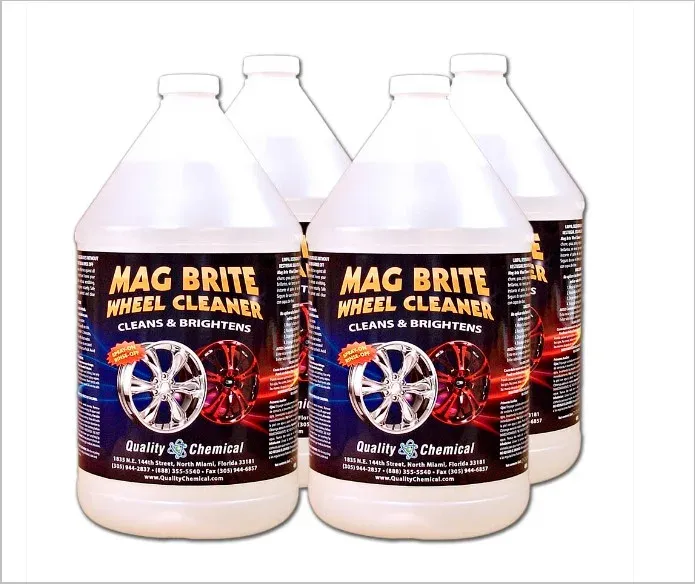
Industrial-Grade Brake Dust Dissolver: Pro Acidic Wheel Cleaner

The matrix below highlights key operational differences between the primary types of wheel cleaners used in professional detailing and intensive home maintenance routines:
| Cleaner Category | Typical pH Level | Primary Target Contaminants | Safe Wheel Finishes | Average Dwell Time | Risk Factor |
|---|---|---|---|---|---|
| Acid-Based Cleaner | 1.0 – 2.5 | Baked-on brake dust, rust scale, mineral water spots | Factory clear-coat, painted alloy, steel, chrome | 30 – 60 seconds | High if misused or allowed to dry |
| Alkaline Degreaser | 9.0 – 12.0 | Road grime, tire oxidation, grease, organic oil | Clear-coat, painted alloy, rubber tires, powder coat | 1 – 3 minutes | Moderate on raw metals |
| pH-Neutral Iron Remover | 6.0 – 7.5 | Embedded ferrous iron particles, light brake dust | All finishes including bare aluminum & custom forged | 3 – 5 minutes | Very Low |
Wheel Material Compatibility: When to Use (and Avoid) Acidic Formulas
Matching the right chemical formula to your specific wheel substrate is essential to avoid permanent surface damage. Modern factory wheels on most sedans, SUVs, and trucks are finished with a durable polyester or polyurethane clear coat over painted aluminum alloy. These factory-sealed finishes withstand controlled applications of mild-to-moderate acid cleaners exceptionally well, provided the clear coat has no severe cracks, deep curb rash, or peeling paint exposing raw aluminum underneath.
Conversely, custom aftermarket wheels made from raw polished billet aluminum, anodized metals, or magnesium alloys react violently with acidic solutions. Acids etch raw aluminum instantly, leaving behind a dull, chalky white haze that can only be removed through mechanical wet sanding and machine polishing. Chrome wheels require special attention: while heavy-duty triple-plated chrome handles acid well, low-grade or chipped chrome allows acid to seep behind the plating, causing it to bubble and flake away from the substrate metal.
Cleaner's tip: Never apply an acid cleaner to wheels that are hot from driving or direct sunlight. Radiant heat from brake calipers causes the water content in acidic sprays to flash evaporate in under 15 seconds, concentrating the raw acid directly on the finish and leaving permanent drip marks or clouding. Always touch the wheel face with the back of your hand to verify it is completely cool to the touch before spraying.
Step-by-Step Deep Cleaning & Safety Protocol
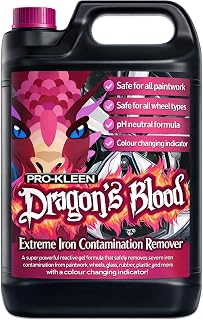
Safe Reaction Technology: Color-Changing Iron Remover & Cleaner
Working safely with low-pH chemicals requires proper personal protective equipment (PPE) and a structured technique. Acids generate vapors and irritate skin or eyes upon contact. Equip yourself with heavy-duty nitrile or neoprene gloves, splash-proof safety goggles, long sleeves, and work in a well-ventilated outdoor setting. Avoid working in tight garages where acid fumes can accumulate or settle on nearby stainless steel appliances and tools.
Begin by inspecting the wheels for bare metal patches, deep scratches, or aftermarket center caps with delicate printed graphics. Dilute your concentrated acid cleaner in an acid-resistant spray bottle equipped with a chemical-resistant trigger nozzle (such as a Viton seal sprayer). A standard dilution ratio of 1 part acid to 4 or 5 parts water provides plenty of cleaning power for heavily soiled barrels while maintaining a manageable safety margin.
- Cool and Pre-Rinse: Flush the wheel thoroughly with cold water using a pressure washer set between 1200 and 1500 PSI to lower the surface temperature and remove loose surface dirt.
- Targeted Application: Spray the diluted acid cleaner evenly starting at the bottom of the wheel barrel and working upward across the spokes to prevent uneven run-off streak lines.
- Strict Dwell Monitoring: Allow the product to dwell for 30 to 45 seconds. Watch closely as the acidic formula breaks down brown brake dust buildup; never exceed 60 to 90 seconds.
- Gentle Agitation: Use a soft synthetic barrel brush (such as a plush microfiber wheel wand) and a dedicated wheel face brush to agitate stubborn pockets behind spokes and around lug nuts. High-grade 400+ GSM microfiber wheel mitts prevent micro-scratching on sensitive clear coats.
- Thorough Pressure Rinse: Blast the wheel face, barrel, brake caliper, and lug recesses with abundant high-volume water pressure to completely neutralize and remove chemical residues.
- Neutralize and Dry: Wash the entire wheel with a standard pH-neutral car wash soap to eliminate any trace acidity, then dry completely with a dedicated 500 GSM microfiber drying towel to prevent hard water spots.
Integrating periodic deep cleaning into your broader home maintenance and automotive care schedule keeps wheel finishes pristine for years. For vehicles driven daily in urban environments or harsh winter climates where road salts accelerate corrosion, performing an acidic deep cleaning every two to three months—supplemented by weekly pH-neutral washes—strikes the ideal balance between safety and total contamination control.
For standard maintenance across clear-coated alloy rims, start with a gentler pH-neutral or mild alkaline wheel cleaner first; reserve acid cleaners as a targeted restoration step when stubborn metallic crust or hard mineral scale persists.
Frequently Asked Questions
Can acid wheel cleaner damage brake calipers or rotors?
Acid cleaners can cause light flash rusting on bare cast-iron brake rotors, which is normal and wipes off during your first stop. However, prolonged exposure to raw acid can dull painted or powder-coated brake calipers and corrode delicate rubber bleeder caps, so always rinse calipers thoroughly immediately after application.
Deep Barrel Access: Chemical-Resistant Wheel Brush Set

How often should I clean my wheels with an acid-based product?
Acidic cleaning should be treated as a periodic restoration process rather than a weekly wash routine. Performing an acid wash every 4 to 8 weeks is sufficient for heavily used vehicles, while routine weekly washes should rely on mild pH-neutral shampoos.
What should I do if acid cleaner accidentally dries on my wheel?
If the cleaner dries, do not attempt to scrub it dry. Immediately re-wet the surface with more diluted wheel cleaner or a pH-neutral car soap, agitate gently with a wet microfiber brush to re-hydrate the chemical, and rinse with large volumes of cold water under high pressure.
Is acid wheel cleaner safe for ceramic-coated wheels?
Repeated use of strong acidic cleaners can degrade ceramic coatings over time by weakening the hydrophobic silica layer. For ceramic-coated wheels, use a pH-neutral iron remover or dedicated coating-safe shampoo instead.