Understanding the Enemy: Hard Water Stains
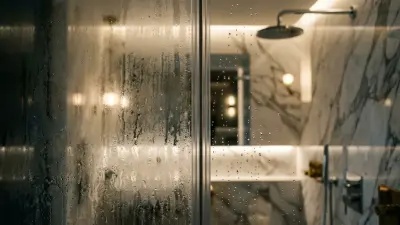
Hard water stains are a common problem faced by many homeowners, leaving unsightly marks on glass surfaces such as shower doors, windows, and mirrors. But what exactly are these stubborn stains, and how do they form? Hard water contains high levels of dissolved minerals like calcium and magnesium, which are left behind when the water evaporates, leaving behind a residue that can be difficult to remove.
According to the United States Geological Survey (USGS), approximately 85% of American households have hard water, making it a widespread issue. The longer these mineral deposits sit on the glass surface, the more "baked on" they become, making it increasingly challenging to remove them. This is why it's essential to tackle hard water stains as soon as possible, before they become a permanent fixture.
But don't worry, removing hard water stains is not an impossible task. With the right cleaning techniques, tools, and a bit of elbow grease, you can banish these stubborn stains and restore your glass surfaces to their former sparkle. So, let's dive into the world of hard water stain removal and explore the various methods and solutions available.
The Science Behind Hard Water Stains
To effectively Remove Hard Water Stains, it's crucial to understand the chemistry behind their formation. When hard water comes into contact with glass, the minerals present in the water, such as calcium and magnesium, react with the glass surface, forming a strong bond. This bond is what makes hard water stains so difficult to remove, as they are essentially etched into the glass.
However, by using the right cleaning solutions and techniques, we can break this bond and remove the mineral deposits, restoring the glass surface to its original clarity. This is where the concept of pH levels comes into play, as acidic solutions can help to break down the alkaline mineral deposits, making them easier to remove.
Safety First: Preparing for the Battle
Before we embark on the journey of removing hard water stains, it's essential to prioritize safety. Many effective hard water removers are acidic, which can be hazardous if not handled properly. So, what precautions can you take to ensure a safe and successful cleaning experience?
First and foremost, ensure proper ventilation in the area where you'll be cleaning. Open windows, turn on exhaust fans, and make sure there's a steady flow of fresh air to prevent the buildup of acidic fumes. Additionally, wear protective gear such as gloves and eye protection to prevent skin and eye irritation.
Another crucial step is to test the cleaning solution on a small, inconspicuous area of the glass surface before applying it to the entire stained area. This will help you determine whether the solution is safe to use and won't cause any damage or discoloration to the glass.
Choosing the Right Cleaning Tools
When it comes to removing hard water stains, having the right cleaning tools can make all the difference. A non-scratch scrub sponge or a melamine foam eraser can be effective in gently removing the mineral deposits without scratching the glass surface. Microfiber cloths are also an excellent choice, as they can help to absorb the cleaning solution and prevent streaks from forming.
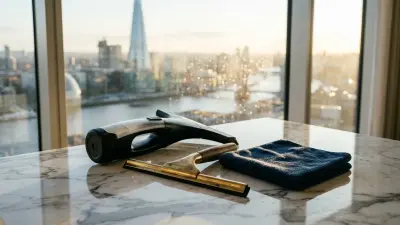
A squeegee is another essential tool in the fight against hard water stains. By using a squeegee to remove excess water and cleaning solution, you can help to prevent streaks and water spots from forming, leaving your glass surfaces sparkling clean.
Eco-Friendly Solutions: The Gentle Approach
For those who prefer a more eco-friendly approach to cleaning, there are several effective solutions available that can help to remove hard water stains without harming the environment. One such solution is white vinegar, which is a natural acid that can help to break down mineral deposits.
By mixing equal parts water and white vinegar in a spray bottle, you can create a gentle yet effective cleaning solution that can be used to remove hard water stains from glass surfaces. Simply spray the solution onto the stained area, let it sit for a few minutes, and then scrub the area with a non-scratch scrub sponge or melamine foam eraser.
Another eco-friendly solution is baking soda, which can be used to create a paste that can help to remove stubborn hard water stains. By mixing baking soda with water to form a paste, you can apply it to the stained area and let it sit for several hours or overnight, before rinsing it off with warm water.
The Power of Lemon Juice
Lemon juice is another natural acid that can be used to remove hard water stains from glass surfaces. The acidity in lemon juice helps to break down the mineral deposits, making it easier to remove them. Simply cut a lemon in half, squeeze the juice onto the stained area, and let it sit for a few minutes before scrubbing the area with a non-scratch scrub sponge or melamine foam eraser.
But what makes lemon juice so effective in removing hard water stains? The answer lies in its pH level, which is acidic enough to break down the alkaline mineral deposits, yet gentle enough not to damage the glass surface. This makes lemon juice an excellent eco-friendly alternative to harsh chemical cleaners.
Professional Cleaning Solutions: The Heavy-Duty Approach
For more stubborn hard water stains, professional cleaning solutions may be necessary. These solutions typically contain more potent acids that can help to break down the mineral deposits, making them easier to remove.
However, it's essential to exercise caution when using professional cleaning solutions, as they can be hazardous if not handled properly. Always follow the manufacturer's instructions, wear protective gear, and ensure proper ventilation to prevent accidents.
Some popular professional cleaning solutions for removing hard water stains include CLR, Lime Remover, and Scale Magic. These solutions can be effective in removing even the most stubborn hard water stains, but be sure to test them on a small, inconspicuous area first to ensure they won't damage the glass surface.
Preventing Hard Water Stains: The Best Defense
As the old adage goes, "an ounce of prevention is worth a pound of cure." This is especially true when it comes to hard water stains. By taking steps to prevent hard water stains from forming in the first place, you can save yourself the hassle and effort of removing them.
One effective way to prevent hard water stains is to use a water filter or water softener, which can help to remove mineral deposits from the water before they come into contact with the glass surface. Additionally, regularly cleaning glass surfaces with a mild detergent and drying them thoroughly can help to prevent mineral deposits from forming.
By following these tips and using the right cleaning solutions and techniques, you can keep your glass surfaces sparkling clean and free from hard water stains. So, the next time you notice a stubborn hard water stain, don't despair – simply reach for the right cleaning solution and get ready to sparkle and shine!