
Quick answer: To safely clean hardwood floors, sweep daily with a high-density microfiber dust mop, vacuum weekly on a dedicated hard-floor setting without a spinning beater bar, and damp-mop monthly using a pH-neutral cleaner misted lightly onto a microfiber pad. Never use steam mops or harsh acidic solutions like concentrated vinegar, which strip protective sealants over time.
Identifying Your Floor Finish & Moisture Thresholds
Before selecting a single cleaning agent or tool, you must determine the precise finish protecting your timber planks. Modern residential homes almost exclusively feature surface-sealed floors coated with polyurethane, waterborne urethane, or factory-applied aluminum oxide coatings. Older homes or specialty installations may instead feature penetrating oil or paste wax finishes, which require vastly different care regimens. Testing your floor takes only seconds: place a single drop of water on an inconspicuous section of wood. If the droplet remains in a neat bead on top of the board, your floor has a sealed barrier; if the droplet slowly soaks into the timber and darkens the grain, you are dealing with an oiled, waxed, or worn finish that requires water-free conditioning products.
Understanding moisture limits is critical because wood is a natural hygroscopic material that expands and contracts based on ambient humidity and wetness exposure. Excessive liquid pooling between tongue-and-groove boards causes cupping, crowning, and structural swelling that no cleaning chemical can undo. According to guidelines set by the National Wood Flooring Association, indoor relative humidity levels should remain between 35% and 55% year-round to prevent board separation or moisture warping. When performing routine wet maintenance, your mop pad should only ever be damp to the touch—never dripping or leaving visible puddles that require more than 60 to 90 seconds to air-dry completely.
Steam mops represent one of the most severe hazards to both sealed and unsealed wood surfaces. Steam mops force superheated vapor reaching temperatures above 200°F (93°C) directly into micro-fissures, weakening adhesive bonds and clouding polyurethane coatings with milky haze. Stick strictly to misting spray bottles or low-moisture flat mops to safeguard wood grain against premature structural degradation and finish peeling.
Essential Equipment: Vacuums, Microfiber, and Mop Systems
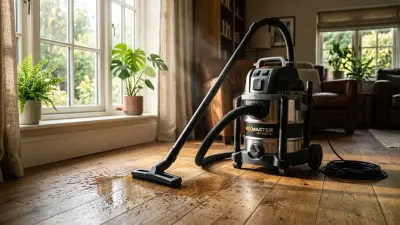
Achieving a streak-free, gleaming finish depends as much on tool engineering as it does on your liquid cleaner. Standard upright vacuums equipped with active rotating beater bars are a top primary driver of surface scratches across residential hardwood. The high-RPM nylon bristles and heavy plastic wheels on traditional carpet vacuums slice tiny grooves into clear coats, which accumulate dirt over time and cause the entire room to look dull and cloudy.
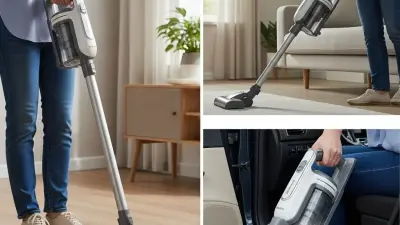
For routine dry maintenance, select a canister vacuum or a specialized cordless stick vacuum equipped with a dedicated soft-roller cleaner head, such as a Dyson V15 with a Fluffy optic head or a stick vacuum featuring a bare-floor toggle switch. A bare-floor setting physically disengages the brush roller while routing maximum airflow—ideally between 100 and 200 Air Watts (AW) or at least 15,000 Pascals (Pa) of suction—to pull grit and grit particles out of board crevices without contacting the floor with stiff bristles. Vacuuming twice weekly prevents small sand grains brought in on shoes from acting like sandpaper under foot traffic.
When selecting manual dusting and damp mopping gear, microfiber quality is paramount. Standard cheap terry towels push dirt around and shed lint, whereas commercial-grade split-microfiber pads rated at 300 to 400 GSM (grams per square meter) utilize positively charged synthetic fibers that magnetically lock onto dust, pet dander, and microscopic debris. A flat-head mop measuring 15 to 18 inches in width provides balanced contact pressure across wide planks while fitting easily underneath low-clearance furniture.
Cleaner's tip: Always keep dedicated microfiber pads for your wood floors and wash them separately from oily rags or fleece items. Washing microfiber with fabric softeners coats the tiny synthetic split fibers with silicone compounds, completely destroying their absorbency and causing unsightly streaking every time you damp-mop your living room.
Hardwood Cleaner Formulas: DIY vs. Commercial Products
Selecting the correct chemical formulation for your floor ensures effective dirt removal without stripping away protective gloss. Chemical neutrality is the baseline requirement for daily and weekly floor care. Cleaners formulated at pH 7.0 maintain equilibrium with cured polyurethane finishes, lifting oily residues and foot grime while leaving zero chemical etch marks or sticky film residue behind.
While DIY internet recipes frequently advocate for white vinegar dissolved in warm water, vinegar is dilute acetic acid with a sharp pH rating of approximately 2.4 to 3.0. Frequent exposure to acidic mixtures slowly etches cured urethane surfaces, turning glossy or satin sheens into dull, chalky boards over a few months of regular use. Similarly, harsh alkaline cleaners with pH levels above 9.0 (such as household ammonia or heavy-duty degreasers) break down organic topcoats and discolour natural timber tannins. Stick with non-toxic, eco-friendly cleaners or commercially engineered pH-neutral solutions that hold Greenguard Gold safety certification.
Ready-to-use waterborne cleaners like Bona Hardwood Floor Cleaner or Zep Hardwood & Laminate Cleaner utilize non-ionic surfactants that breakdown grease without requiring a water rinse step. If using concentrated floor cleaning formulas, adhere strictly to the recommended dilution ratios (typically 1 part concentrate to 7 or 10 parts water) using distilled water rather than mineral-heavy hard tap water, which can leave white spot deposits upon drying.
Step-by-Step Hardwood Deep Cleaning Technique
When routine dust mopping no longer restores clarity, a systematic deep cleaning process restores brilliance without risking moisture damage. Executing the process in clear, controlled zones guarantees that liquid never sits on top of plank joints for an extended period.
- Clear and Inspect the Surface: Remove scatter rugs, floor mats, and lightweight furniture from the working area. Inspect the room for loose debris, exposed nails, or sticky residue spots that require targeted pre-treatment.
- Dry Vacuuming or Dust Mopping: Work systematically along the natural direction of the wood grain using a high-GSM microfiber dust mop or soft-roller bare floor vacuum. Ensure all sand, hair, and abrasive grit are eliminated before introducing any moisture.
- Sectional Spray Misting: Divide the room into 4x4-foot sections. Lightly mist a pH-neutral cleaner onto the target area or directly onto your microfiber mop pad using a trigger spray bottle. Avoid soaking the floor; two or three light trigger pulls are sufficient for a 16-square-foot section.
- Grain-Direction Mopping: Glide your flat microfiber mop across the section in smooth overlapping figure-eight strokes, following the direction of the timber grain to prevent cross-grain hazing. Flip or replace the microfiber pad as soon as it becomes visibly soiled.
- Immediate Buffing: Pass a clean, dry high-density microfiber cloth or a secondary dry mop over the freshly cleaned section to absorb any residual moisture instantly. Ensure the floor is completely bone-dry before moving on to the adjoining section.
For stubborn rubber heel scuffs or dried food spills, avoid using abrasive green scouring pads or steel wool, which permanently scratch wood grain. Instead, spray a small amount of pH-neutral cleaner directly onto the mark, allow a 2-to-3-minute dwell time for surfactants to break down the grime, and gently scrub using a clean microfiber cloth or a soft tennis ball mounted on a wooden handle.
Hardwood Cleaning Method Comparison
Selecting the correct approach for various floor care tasks prevents long-term finish damage. The following specifications detail how different equipment and cleaning methods perform across key home maintenance metrics:
| Cleaning Method | Optimal Frequency | Moisture Risk | Recommended Tools | Ideal Floor Finish |
|---|---|---|---|---|
| Microfiber Dusting | Daily | None (0%) | 300+ GSM Microfiber Mop | All Finishes (Sealed & Oiled) |
| Bare-Floor Vacuuming | 2–3 Times / Week | None (0%) | Soft Roller / No Beater Bar | All Finishes (Sealed & Oiled) |
| pH-Neutral Spray Mopping | Bi-Weekly / Monthly | Low (< 5%) | Spray Mop & pH 7.0 Cleaner | Sealed Polyurethane / Urethane |
| Steam Mopping | Never Recommended | Extreme (> 90%) | Pressurized Steamers | None (Destroys Wood Finishes) |
| Oil-Soap Washing | Not Recommended | Moderate (20%) | Bucket & String Mop | Waxed / Penetrating Oil Only |
Preventive Home Maintenance to Protect Hardwood Finish
Preserving the shine on hardwood floors requires an active defense strategy alongside regular house cleaning. Over 80% of grit, dirt, and abrasive mud dragged across interior floors comes directly from foot traffic entering through exterior entryways. Placing heavy-duty, rubber-backed doormats outside every exterior door and absorbent felt-backed walk-off rugs immediately inside entrances captures coarse sand before shoes touch polished wood surfaces. Implement a strict "no-shoes" policy within the home to eliminate damage caused by high heels, which exert up to 2,000 pounds per square inch of localized pressure, as well as sports cleats and gravel trapped in shoe treads.
Furniture legs represent another leading cause of gouging and deep finish wear. Install thick, heavy-duty felt protection pads on the bottoms of all chair legs, table legs, and heavy sofas. Inspect these felt pads every three to six months; replace them promptly as they compress or collect trapped grit. When moving heavy appliances or large furniture pieces across wood floors during deep cleaning or room re-arrangements, never drag items directly across boards. Utilize heavy-duty neoprene furniture sliders or lay down 1/4-inch masonite hardboard tracks to distribute weight safely.
Pet maintenance is equally critical for long-term hardwood preservation. Keep dog and cat nails trimmed routinely to prevent deep scratch marks in surface polyurethanes. Place silicone waterproof feeding mats beneath pet food and water bowls to protect against constant splashes and slobber, which can soak into plank seams and create black water stains over time. In high-traffic homes with pets or active families, seeking periodic maintenance from professional cleaning services or hardwood refinishers for a screen-and-recoat treatment every 3 to 5 years re-establishes a fresh protective topcoat long before raw wood suffers permanent damage.
For optimal results across all residential timber floors, combine daily low-abrasion dust mopping with a weekly bare-floor vacuuming routine, using a pH-neutral spray cleaner like Bona Hardwood Floor Cleaner paired with a 300+ GSM flat microfiber mop head. Always avoid steam devices and excessive liquid standing on boards, and maintain indoor relative humidity between 35% and 55% to enjoy vibrant, lasting shine for decades.
Frequently Asked Questions
Can I use dilute vinegar and water to clean my polyurethane hardwood floors?
No, vinegar should be avoided on polyurethane hardwood finishes. Although white vinegar is often touted as an eco-friendly cleaner, its acidic nature (pH 2.4-3.0) gradually etches clear protective coats, destroying the natural luster and leaving boards looking dull over time. Use a dedicated pH-neutral wood cleaner instead.
Is it safe to clean hardwood floors with a steam mop?
Never use steam mops on hardwood floors. The high heat and pressurized vapor force water deep into tiny joints, cracks, and wood pores, leading to board cupping, finish peeling, cloudiness, and severe moisture rot under the timber planks.
How do I know if my vacuum is safe for hardwood floor care?
A safe hardwood vacuum must feature a dedicated bare-floor setting that completely turns off the rotating beater bar or come equipped with a soft-roller head (such as a soft felt or micro-fiber cylinder). Heavy brush bristles designed for carpets will scratch clear wood finishes over time.
How often should hardwood floors be damp-mopped?
Damp mopping should only be done bi-weekly or monthly, depending on household traffic and pet activity. Daily dust mopping and twice-weekly bare-floor vacuuming remove the majority of dirt, minimizing the need for liquid exposure on natural wood planks.