Quick answer: You can achieve an eco-friendly, crystal-clear pool by replacing heavy chlorine dosing with alternative sanitizers like saltwater chlorinators or UV systems, utilizing energy-efficient variable-speed pumps, and committing to daily skimming and weekly brushing to reduce chemical demand.
Advanced Water Sanitization: Reducing Chemical Dependence
Traditional pool management relies heavily on chlorine shock treatment to oxidation-sanitize contaminants. However, excessive chemical application can cause eye irritation, skin dryness, and accelerate the corrosion of pool liners and mechanical fixtures. Alternative sanitization technologies allow you to maintain sanitary conditions while reducing chlorine reliance by up to 80%. Transitioning to these systems optimizes water clarity without the overwhelming chemical fumes associated with standard pool maintenance routines.
Saltwater chlorination systems represent one of the most practical upgrades for sustainable water care. Rather than adding synthetic chlorine tablets containing cyanuric acid binders, a salt cell uses low-voltage electrolysis to convert dissolved sodium chloride (at concentration levels around 3,000 to 4,000 ppm) into pure hypochlorous acid. As the water passes back into the pool, sunlight and organic interaction convert the chlorine back into salt, creating an efficient, self-sustaining loop. For supplemental sanitization, secondary systems offer powerful non-chemical destruction of pathogens, drastically reducing the required free chlorine baseline from 3.0 ppm down to just 0.5–1.0 ppm.
Ultraviolet (UV-C) and ozone oxidation systems offer additional powerful options for non-chemical water treatment. UV systems direct pool water through a reaction chamber containing high-intensity UV-C lamps (operating at a wavelength of 254 nanometers), instantly damaging the DNA of bacteria, viruses, and cryptosporidium spores. Ozone generators infuse micro-bubbles of ozone gas ($O_3$) directly into the plumbing line, oxidizing organic waste at rates up to 3,000 times faster than standard chlorine. Incorporating these technologies alongside specialized enzyme cleaner treatments—which naturally digest non-living organic matter like sunscreen, body oils, and pollen—keeps your water sparkling clear while preserving filter life.
Comparing Sustainable Pool Sanitization Methods
Choosing the right sanitization framework depends on your initial equipment budget, local water conditions, and maintenance preferences. The table below details how popular eco-friendly pool water treatment options compare across key functional metrics:
| System Type | Primary Mechanism | Chlorine Reduction | Ideal Operating Parameters | Primary Benefit |
|---|---|---|---|---|
| Saltwater Chlorinator | Electrolysis of dissolved salt | 50% – 70% lower handling | Salt level: 3,000–4,000 ppm; pH: 7.2–7.6 | Soft water feel, continuous chlorine delivery |
| UV-C Sanitizer | 254 nm Ultraviolet light chamber | 50% – 80% baseline drop | Flow rate: 40–80 GPM; clean quartz sleeve | Destroys chlorine-resistant pathogens instantly |
| Ozone Generator | O3 gas injection oxidation | 60% – 90% reduction | ORP sensor balance; proper contact tank | Rapid oxidation of oils and organic waste |
| Enzyme Treatments | Natural biological catalytic breakdown | 15% – 30% indirect reduction | Weekly dosage: 1 oz per 2,000 gallons; pH neutral | Eliminates scum lines and organic filter loading |
Smart Physical Maintenance and Mechanical Efficiency
Physical debris management directly impacts your chemical consumption. When leaves, twigs, and insect debris sit in the pool water, they break down and consume free available chlorine. Implementing targeted manual skimming and structural brushing routines prevents organic material from altering your water chemistry baseline. Investing in modern manual tools, like a heavy-duty 18-inch pool brush with durable nylon bristles and a fine-mesh skimmer net, ensures effective removal of surface and wall debris before algae spores can take root.
Cleaner's tip: Many pool owners brush their pool walls rapidly, which simply kicks algae spores into the water column without breaking their cellular membrane. For deep cleaning concrete and plaster surfaces, use an 18-inch hybrid stainless/nylon brush, applying firm, overlapping downward strokes at a steady pace. Allow the circulation pump to run for at least two hours afterward to trap brushed debris in the filter medium, preventing immediate re-attachment.
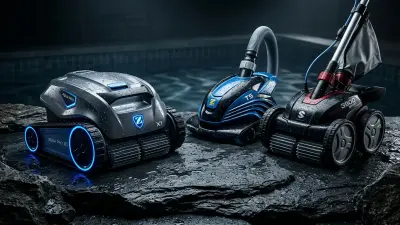
Upgrading your filtration hardware is another crucial component of sustainable pool maintenance. Replacing older single-speed filtration pumps with modern variable-speed pumps (VSPs) dramatically cuts electricity usage. Running a VSP at 1,400 RPM instead of a single-speed pump at 3,450 RPM reduces electrical consumption by up to 80% due to pump affinity laws. Combining an efficient pump with continuous mechanical cleaning—such as deploying a low-voltage robotic pool cleaner—keeps pool surfaces clean while minimizing load on the primary filter vessel.
Water Conservation Practices and Eco-Friendly Deck Care
Water conservation is vital for eco-friendly pool care. Evaporation accounts for thousands of gallons of water loss per pool annually, taking expensive chemical treatments with it. Placing a solar pool cover or liquid solar barrier over your pool surface when it is not in use can cut evaporative loss by up to 95% and reduce water heating energy requirements by nearly 50%. Additionally, monitoring your system for small pipe fitting leaks or valve weepage ensures you are not wasting water continuously.
Filter maintenance habits also offer opportunities for significant water savings. Avoid over-backwashing sand and DE filter systems; backwashing too frequently wastes hundreds of gallons of treated water. Only backwash when the filter tank pressure gauge reads 8 to 10 PSI above its clean starting baseline. If you use cartridge filters, clean the element by soaking it in a diluted trisodium phosphate (TSP) or enzyme solution rather than blasting it with excessive water pressure, which can damage the delicate polyester filter media.
For deck surrounds, concrete patios, and outdoor patio furniture, switch from aggressive chemical detergents to non-toxic DIY cleaning formulations. Surrounding deck areas can be safely scrubbed using a natural solution of equal parts white distilled vinegar (5% acetic acid) and lukewarm water, or a non-abrasive paste made from baking soda and water. These simple, natural home maintenance mixtures break down bird droppings, dirt, and mildew without adding harmful phosphates or nitrates to your pool water if accidental splashback occurs during routine home cleaning routines.
Implementing Your Green Pool Care Transition
Transitioning to an eco-friendly pool routine starts with a clear plan. Begin by inspecting your current equipment setup, testing your baseline water chemistry (aiming for pH 7.4–7.6, total alkalinity 80–120 ppm, and cyanuric acid 30–50 ppm), and addressing any existing algae or filtration issues. Transitioning your system while the pool water is balanced prevents unnecessary troubleshooting down the line. If you plan to install complex mechanical systems like secondary UV chambers or saltwater chlorine generators, consult experienced professional cleaning services or certified pool specialists to ensure correct sizing and electrical safety standards.
Frequently Asked Questions
Are saltwater pools completely chlorine-free?
No. Saltwater pools use an electrolytic cell to generate pure chlorine from dissolved salt. However, because the system generates chlorine steadily at low levels, the water lacks the harsh smell, chloramines, and skin-irritating side effects associated with manually dosed chlorine pool chemicals.
How often should I use enzyme cleaners in my pool?
For residential pools with average bather loads, adding a concentrated enzyme treatment once a week (typically 1 fluid ounce per 2,000 gallons of water) is sufficient to break down non-living organic contaminants and keep scum lines from forming on pool tile.
Can I clean pool deck stains naturally without bleach?
Yes. A mixture of equal parts warm water and white distilled vinegar works well for light surface organic grime. For stubborn oil or leaf stains on porous concrete deck surfaces, apply a thick paste of baking soda and water, scrub thoroughly with a stiff nylon deck brush, and rinse with clean water.
Sources
- U.S. Environmental Protection Agency (EPA) - Water Sense & Swimming Pool Standards
- Centers for Disease Control and Prevention (CDC) - Healthy Swimming Guidelines
- Hayward Pool Products - Variable Speed Pump Efficiency and Operation Manuals