Introduction to Deep Carpet Cleaning
Carpeted floors can be a beautiful addition to any home, but they require regular maintenance to stay clean and hygienic. While vacuuming is an essential part of carpet care, it's not enough to remove deep-seated dirt and stains. deep cleaning your carpets can help to revitalize their appearance, improve indoor air quality, and extend their lifespan. In this article, we'll explore the importance of deep cleaning your carpets and provide a comprehensive guide on how to do it like a pro.
According to the Carpet and Rug Institute, carpets can trap up to 4 times their weight in dirt and allergens, making them a breeding ground for bacteria and dust mites. Regular deep cleaning can help to reduce the amount of dirt and allergens in your carpets, creating a healthier environment for you and your family. But how often should you deep clean your carpets? The answer depends on several factors, including foot traffic, pets, and allergies.
For example, if you have a large family or pets, you may need to deep clean your carpets every 6-12 months. On the other hand, if you live alone and don't have pets, you may be able to get away with deep cleaning your carpets every 12-18 months. It's also important to consider the type of carpet you have, as some fibers may require more frequent cleaning than others.
Understanding Carpet Fibers and Their Cleaning Requirements
Not all carpets are created equal, and different fibers have different cleaning requirements. For example, wool carpets are prone to felting and should be cleaned with a gentle, pH-neutral cleaner. On the other hand, synthetic carpets like nylon and polyester can withstand more aggressive cleaning solutions.
It's also important to consider the carpet's backing and underlayment, as these can affect the cleaning process. For example, carpets with a latex backing may require a different cleaning solution than those with a polypropylene backing. By understanding the specific cleaning requirements of your carpet, you can ensure that you're using the right cleaning solutions and equipment to get the job done.
Preparing for Deep Carpet Cleaning
Before you start deep cleaning your carpets, it's essential to prepare the area. This includes removing any furniture, toys, or other obstacles that could get in the way of the cleaning process. You should also vacuum the carpet thoroughly to remove any loose dirt and debris.
It's also a good idea to pre-treat any stubborn stains or high-traffic areas before deep cleaning. This can help to loosen the dirt and make it easier to remove during the cleaning process. You can use a pre-treatment spray or spot cleaner, or even make your own solution using household ingredients like white vinegar and baking soda.
For example, if you have a particularly tough stain, you can mix 1 cup of white vinegar with 1 cup of warm water and apply it to the stain. Let it sit for 10-15 minutes before rinsing with cold water and blotting dry. This can help to loosen the stain and make it easier to remove during the deep cleaning process.
Choosing the Right Cleaning Equipment and Solutions
When it comes to deep cleaning your carpets, you'll need the right equipment and cleaning solutions to get the job done. This includes a powerful vacuum cleaner, a carpet cleaning machine, and a range of cleaning solutions and pre-treatment sprays.
For example, you can use a upright vacuum cleaner with a rotating brush roll to remove loose dirt and debris. You can also use a canister vacuum cleaner with a variety of attachments to get into tight spaces and clean hard-to-reach areas.
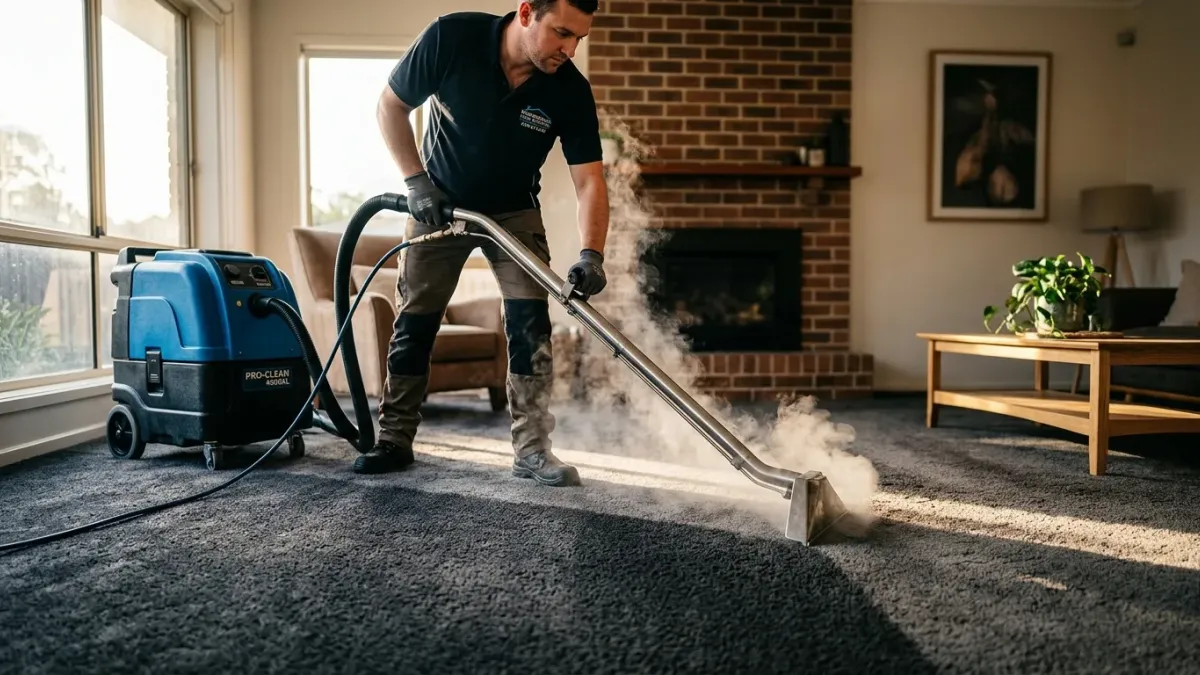
When it comes to carpet cleaning machines, you can choose from a range of models, including portable extractors and truck-mounted units. Portable extractors are great for small areas and are often more affordable than truck-mounted units. However, they may not have the same level of suction power and may require more frequent emptying of the solution tank.
The Deep Cleaning Process
Once you've prepared the area and chosen the right equipment and cleaning solutions, it's time to start the deep cleaning process. This typically involves pre-treating any stubborn stains or high-traffic areas, applying the cleaning solution, and then rinsing and extracting the dirt and moisture from the carpet.
It's essential to work in sections, cleaning one area at a time to ensure that you don't miss any spots. You should also use a cleaning path that works in a pattern, such as in straight lines or in a circular motion, to ensure that you're covering the entire area.
For example, you can start in a far corner of the room and work your way backward, cleaning in straight lines and using a cleaning path that overlaps each pass. This can help to ensure that you're covering the entire area and removing as much dirt and moisture as possible.
Drying and Maintaining Your Carpets
After the deep cleaning process is complete, it's essential to dry the carpets as quickly as possible to prevent moisture from seeping into the backing and underlayment. You can use fans or air movers to speed up the drying process, or even open windows and doors to provide ventilation.
It's also important to maintain your carpets regularly to prevent dirt and stains from building up. This can include vacuuming at least once a week, spot cleaning spills and stains as soon as they happen, and deep cleaning your carpets every 6-12 months.
By following these tips and using the right equipment and cleaning solutions, you can keep your carpets looking their best and extend their lifespan. Remember to always read the manufacturer's instructions and follow any recommended cleaning procedures to ensure that you're using the right techniques and equipment for your specific carpet type.
Conclusion and Final Tips
Deep cleaning your carpets can be a daunting task, but with the right equipment and cleaning solutions, you can achieve professional-looking results. Remember to prepare the area, pre-treat any stubborn stains or high-traffic areas, and work in sections to ensure that you're covering the entire area.
It's also essential to choose the right cleaning equipment and solutions for your specific carpet type, and to follow the manufacturer's instructions and recommended cleaning procedures. By following these tips and using the right techniques and equipment, you can keep your carpets looking their best and extend their lifespan.
Finally, don't forget to maintain your carpets regularly to prevent dirt and stains from building up. This can include vacuuming at least once a week, spot cleaning spills and stains as soon as they happen, and deep cleaning your carpets every 6-12 months. By following these tips and using the right equipment and cleaning solutions, you can keep your carpets looking their best and enjoy a healthier, happier home.