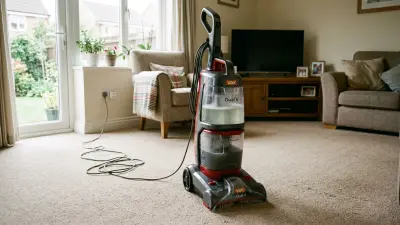
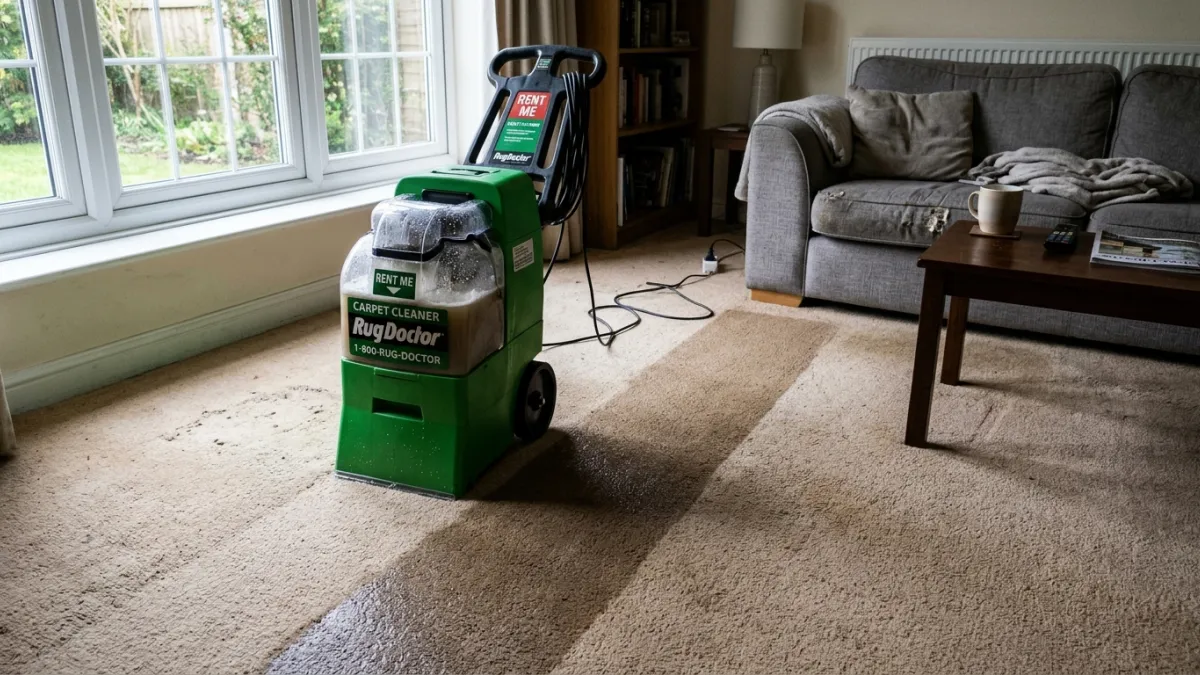
Quick answer: Renting a commercial-grade machine like a Rug Doctor or Big Green costs roughly $40 to $60 for a 24-hour window (including specialized chemical formulas), making it the most cost-effective choice for a one-time move-out or annual deep clean. However, if your home includes multiple pets, toddlers, or large carpeted square footage requiring maintenance more than twice a year, buying a mid-tier home extractor for $150 to $250 quickly pays for itself while delivering instant convenience for spot spills.
The True Costs of Renting vs. Buying a Carpet Extractor
When calculating the financial comparison between renting and buying a carpet extractor, looking strictly at the base machine price tag is a common trap. Renting a commercial Rug Doctor machine at home improvement centers usually carries a base rate of $39.99 for a 24-hour block or $49.99 for a 48-hour rental. However, the hidden expense comes with the mandatory additives and accessories. To clean furniture, upholstery, or carpeted stairs, you will need to tack on an upholstery wand attachment rental fee of around $5.99. Add a 48-ounce bottle of professional carpet shampoo for $18 to $25, plus a specialized pet enzyme pretreatment spray or anti-foaming agent, and a single day of DIY cleaning easily reaches $65 to $85 out of pocket.
Purchasing a machine involves a higher initial capital outlay but zero recurring rental fees. Entry-level spot cleaners like the Bissell Little Green or portable Shark units run between $100 and $130, while full-sized residential upright units (such as the Hoover SmartWash or Bissell ProHeat 2X Revolution) range from $180 to $300. For households that perform spot treatments every month or deep-clean entire rooms twice annually, an owned machine amortizes its purchase cost within the first 12 to 18 months. Owned machines also eliminate the non-monetary costs of logistics: you don't have to drive back and forth to the store, lug a heavy 40-pound rental unit into your trunk, or adhere to strict 24-hour return deadlines.
The table below provides a detailed breakdown comparing the financial commitment, technical specs, and practical capabilities of standard rental hardware against consumer-purchased carpet extractors.
| Feature / Specification | Commercial Rental (Rug Doctor X3) | Consumer Upright (e.g., Bissell ProHeat) | Portable Spot Cleaner (e.g., Little Green) |
|---|---|---|---|
| Average Upfront Cost | $40 - $50 (24-48 hr rental) | $180 - $300 (Purchase) | $100 - $140 (Purchase) |
| Solution / Recovery Tank | 3.0 gal / 3.9 gal | 1.0 gal / 1.0 gal | 0.3 gal / 0.4 gal |
| Vacuum Motor Lift (Suction) | 101 inches of water lift | Approx. 50-65 inches of water lift | Approx. 35-45 inches of water lift |
| Pump Pressure | 28 PSI | 15 - 20 PSI | 10 - 15 PSI |
| Machine Weight (Empty) | 39 lbs | 18 - 22 lbs | 9 - 13 lbs |
| Ideal Frequency | 1 time per year / Move-out clean | 2 to 4 times per year | Immediate spot cleanup / Weekly pet duty |
Performance and Suction Power: Rental Machinery vs. Home Units
The primary advantage of renting a commercial unit like the Rug Doctor Mighty Pro X3 lies in pure extraction power. Commercial units feature heavy-duty 1.74 horsepower vacuum motors capable of producing 101 inches of water lift (a standard industrial measure of static vacuum suction). Coupled with a pump pressure operating at 28 PSI, these heavy machines force water deep into carpet underlayment and extract over 80% of the moisture back out. This high extraction efficiency directly impacts dry times; carpets cleaned with high-water-lift rental units typically dry within 4 to 8 hours under proper ventilation, minimizing the risk of under-pad mold growth or carpet backing delamination.
By comparison, typical home carpet scrubbers emphasize lightweight ergonomics over industrial power. Most consumer uprights weigh under 20 pounds, making them easy to maneuver up stairs and around furniture legs. However, their smaller motors produce less static water lift. If a homeowner over-saturates their rug with a consumer machine, the weaker extraction path may leave carpets damp for 12 to 24 hours. Additionally, commercial rentals employ rigid, motorized vibrating brush bars that scrub carpet fibers back and forth at roughly 2,700 strokes per minute, whereas home units utilize rotating brush rolls that brush in a single direction.
Cleaner's tip: The single biggest mistake DIYers make with rental units is moving the machine far too quickly over the carpet. These extractors rely on slow passes to build vacuum seal and lift deep moisture. Pull the machine backward at a rate of no more than one foot per second on your wet pass, and always follow every wet pass with two overlapping "dry passes" (suction only, without pulling the spray trigger). Skipping dry passes leaves detergent residue behind, which acts like a magnet for dirt as soon as the carpet dries.
Chems, pH Balance, and Carpet Maintenance Science
Deep cleaning is an exercise in applied chemistry. The goal of hot-water extraction is to neutralize soils, emulsify grease, and suspend particulates so the vacuum can pull them away. Carpet fibers—specifically nylon, polyester, and triexta—respond differently to chemical pH levels. Professional standards dictate using neutral to slightly alkaline cleaners (pH 7.0 to 8.5) for synthetic residential carpets. High-alkaline detergents (pH 10 or above) can strip the protective fluorochemical coatings (such as Scotchgard) applied by manufacturers, rendering the carpet more prone to future staining.
When selecting formulas for house cleaning, always check the label chemistry. For pet urine, organic blood, or food spills, standard soap cleaners are inadequate because they leave sticky surfactant residues. Opt instead for enzymatic cleaners or oxygenated formulas (containing sodium percarbonate) that actively break down organic protein chains and eliminate odor-causing bacteria at the root. For eco-friendly cleaners, look for Safer Choice-certified solutions that rely on plant-derived surfactants and neutral pH formulas, ensuring safety for crawling infants and pets while preventing fiber stiffening.
When executing deep cleaning routines, pre-treating high-traffic lanes is vital. Spray an enzymatic pre-spray onto heavily soiled zones and allow a dwell time of 10 to 15 minutes before running your extraction pass. This dwell time allows the active agents to dissolve stubborn body oils and soil binder without forcing you to over-wet the carpet with endless passes of detergent water.
Sanitizing Hygiene and Cross-Contamination Risks of Rentals
While rental units deliver strong performance, they carry an inherent hygiene drawback: you are bringing a tool into your home that has cleaned hundreds of unknown messes in other households. Grocery store and home improvement rental fleets frequently harbor pet urine residue, flea larvae, human dander, and embedded bacteria inside their recovery tanks, dirty water hoses, and brush bars from previous users who failed to sanitize the machine before returning it.
If you decide to rent, inspect and sanitize the unit thoroughly before taking it across your doorway. Bring disinfectant wipes to clean the handle bar, wheels, and spray trigger. Open the clear recovery dome lid and check the intake screen filter for trapped hair and lint. Flush the recovery tank and bottom brush assembly with a solution of warm water and an EPA-registered disinfectant cleaner (ensuring it is safe for plastics). Never mix chlorine bleach with ammonia-based carpet detergents, as this creates dangerous toxic chloramine gas. Taking ten minutes to scrub the machine's lower head and rinse out the suction hose ensures you are deep cleaning your home, rather than transferring dirty contaminants onto your living room floor.
When to Rent, When to Buy, and When to Call Professionals
Selecting the ideal path for your home maintenance routine comes down to assessing your household layout, lifestyle, and floor conditions. Neither renting nor buying is a one-size-fits-all answer.
- Choose a Rental (Rug Doctor / Big Green) if: You live in an apartment or rental home and need a one-time move-out clean to secure your security deposit. It is also the right pick if you have limited storage space, own wall-to-wall carpets in only one or two rooms, and only plan to deep-clean once every year or two.
- Buy an Owned Upright Extractor if: Your floor plan features extensive carpeted square footage, you have shedding pets, or you care for young children prone to frequent spills. Owning a machine allows you to address accidental spills within seconds before they turn into permanent stains.
- Hire Professional Cleaning Services if: Your carpets are constructed from natural delicate fibers like wool, silk, or jute, which warp or shrink when exposed to excessive heat and water. Furthermore, if your carpet suffers from severe sub-floor pet urine saturation, widespread mold contamination, or heavy smoke odor, home equipment lacks the high-heat truck-mounted steam capacity (which reaches temperatures exceeding 200°F) needed to restore the flooring safely.
If your goal is simply to refresh living room carpets for an upcoming event or handle an annual spring cleaning checklist on a tight budget, renting a commercial carpet cleaner delivers outstanding vacuum lift and raw agitating power for under $60. Make sure to vacuum thoroughly with a HEPA-filtered vacuum before starting, use proper low-foaming detergent dilution ratios, and give your rooms adequate drying time with cross-ventilation fans to enjoy clean, soft, and completely restored carpets.
Frequently Asked Questions
Is it necessary to vacuum before using a carpet cleaning machine?
Yes, thorough dry vacuuming is essential. Carpet extractors use water to pull up dirt; if you leave loose dust, hair, and dry debris on the carpet, the machine turns that dust into thick mud that clogs carpet fibers and restricts the machine's vacuum intake ports.
How long does carpet take to dry after using a Rug Doctor rental?
Under normal conditions, carpets dry within 4 to 8 hours. You can accelerate dry times by opening windows, running your HVAC system, and placing oscillating fans directly over the carpeted room to promote air movement across the wet fibers.
Can I use laundry detergent or dish soap inside a carpet cleaner?
No, you should never put dish soap or standard laundry detergent into a carpet extractor. These household soaps produce massive amounts of high-foaming suds that overflow the recovery tank and damage the internal vacuum motor, while leaving a sticky residue on carpet fibers that attracts dirt immediately after drying.
Sources
- Rug Doctor Rental Official Guidelines & Equipment Manuals
- The Carpet and Rug Institute (CRI) Seal of Approval Testing Standards
- US Environmental Protection Agency (EPA) Safer Choice Cleaning Criteria
Looking for the Right Supplies?
Check out our verified Top Cleaning Products & Tools on Amazon.
As an Amazon Associate, we earn from qualifying purchases.