






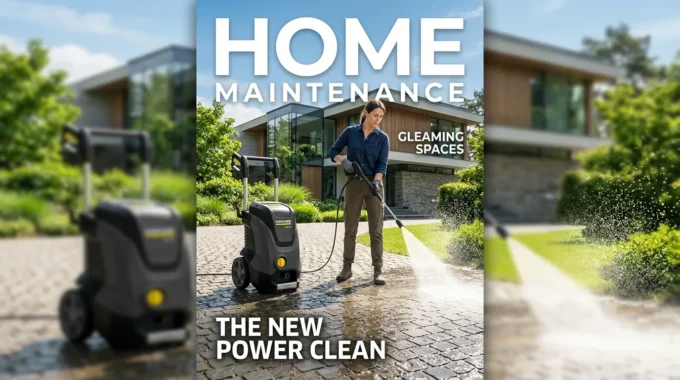
Introduction to Power Washers
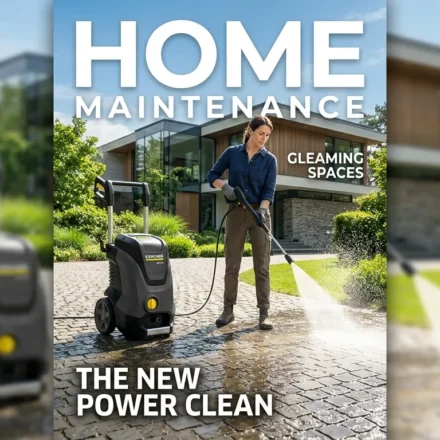
When it comes to deep cleaning outdoor surfaces, power washers are an essential tool for any homeowner. Whether you’re looking to clean your driveway, sidewalk, or deck, a power washer can make the job easier and more efficient. But with so many options available, it can be overwhelming to choose the right one. In my opinion, selecting the right power washer is crucial to achieving the best results and ensuring your safety.
Table Of Content
For example, imagine this situation: you’re trying to clean your driveway, but the dirt and grime are stuck to the surface. You could spend hours scrubbing away with a brush and soap, or you could use a power washer to blast away the dirt in a fraction of the time. But what would you do in this situation if you didn’t have a power washer? Let me add something here: power washers are not just for cleaning surfaces, they can also be used to prepare surfaces for painting or sealing.
Honestly, I’ve seen many homeowners struggle with choosing the right power washer. That’s why I believe it’s essential to understand the different types of power washers available and how to use them safely and effectively. In this guide, we’ll cover the basics of power washers, including how to choose the right one for your needs and how to use it to keep your home clean and well-maintained.
Choosing the Right Power Washer
Types of Power Washers
There are several types of power washers available, including electric, gas, and eco-friendly options. Electric power washers are ideal for small to medium-sized cleaning jobs, while gas power washers are better suited for larger jobs. Eco-friendly power washers, on the other hand, use less water and energy, making them a great option for those looking to reduce their environmental impact.
When choosing a power washer, consider the following factors:
- PSI (pounds per square inch): This measures the pressure of the water stream. Higher PSI means more cleaning power.
- GPM (gallons per minute): This measures the flow rate of the water. Higher GPM means more water is being used.
- Motor type: Electric, gas, or professional-grade motors are available.
Based on my experience, I recommend considering the size of the area you need to clean and the type of surface you’re cleaning. For example, if you’re cleaning a large driveway, you’ll need a power washer with a higher PSI and GPM.
Using a Power Washer Safely
Precautions and Safety Tips
Using a power washer can be hazardous if you’re not careful. That’s why it’s essential to take the necessary precautions to ensure your safety. Here are some tips to keep in mind:
- Wear protective gear, including gloves, safety glasses, and a mask.
- Keep children and pets away from the area being cleaned.
- Avoid using a power washer near electrical outlets or in wet conditions.
To be fair, accidents can still happen, even with the right precautions. That’s why it’s essential to be aware of your surroundings and to follow the manufacturer’s instructions for the power washer.
Maintenance and Troubleshooting
Regular Maintenance
Regular maintenance is crucial to extending the life of your power washer. Here are some tips to keep in mind:
- Check the oil and fuel levels regularly.
- Clean the nozzle and filter after each use.
- Store the power washer in a dry, secure location.
Let me add something here: regular maintenance can also help prevent common problems, such as clogged nozzles and faulty pumps. By following these tips, you can ensure your power washer is running smoothly and efficiently.
Conclusion
In conclusion, power washers are a valuable tool for any homeowner looking to keep their outdoor surfaces clean and well-maintained. By choosing the right power washer and using it safely and effectively, you can achieve professional-looking results without breaking the bank. Remember to always follow the manufacturer’s instructions and take the necessary precautions to ensure your safety. With the right power washer and a little practice, you’ll be able to tackle even the toughest cleaning jobs with ease. So why not give it a try? Visit Clean & Cleaner for more house cleaning tips and advice on how to keep your home clean and safe.