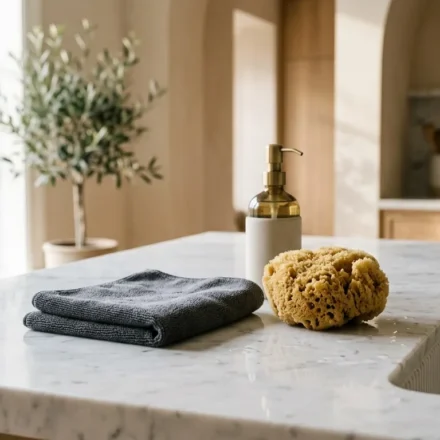







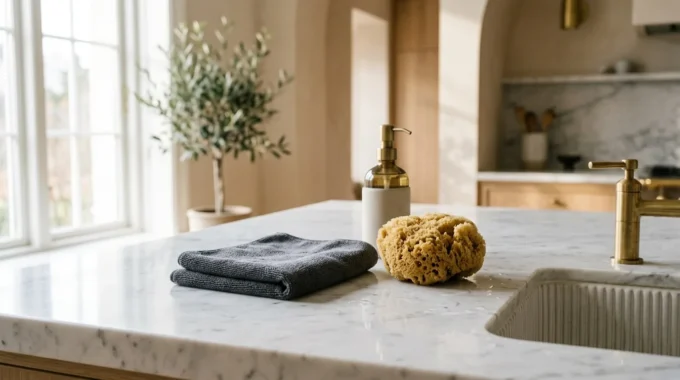
Every home cleaning arsenal features a variety of tools, but few are as fundamental or as frequently debated as the humble microfiber cloth and the versatile sponge. As an experienced home maintenance specialist, I often observe homeowners struggling with the choice: which one truly delivers the best results for a given task? The answer, as with many aspects of effective house cleaning, is nuanced.
Table Of Content
Understanding the distinct properties and optimal applications for each can dramatically improve your cleaning efficiency, reduce effort, and ultimately lead to a cleaner, more hygienic home. This guide will delve deep into the characteristics, benefits, and drawbacks of both microfiber cloths and sponges, providing you with the knowledge to make informed decisions for every deep cleaning challenge and daily upkeep task. Let’s demystify these essential cleaning fabrics.
The Marvel of Microfiber Cloths: Precision and Polish
Microfiber cloths have revolutionized modern house cleaning, earning their place as a staple for professionals and DIY enthusiasts alike. But what exactly makes them so effective? Microfiber refers to synthetic fibers, typically a blend of polyester and polyamide (nylon), that are incredibly fine – often 1/100th the diameter of a human hair. These fibers are then split during manufacturing, creating millions of tiny ‘hooks’ that excel at trapping dirt, dust, and microscopic particles.
One of the primary benefits of microfiber is its exceptional absorbency. It can hold up to seven times its weight in water, making it perfect for spills and drying surfaces without leaving streaks. Moreover, its unique structure allows it to pick up and hold onto dust, pet dander, and allergens with remarkable efficiency, often without the need for chemical cleaners. This makes them an excellent choice for those leaning towards eco-friendly cleaners and methods.
Ideal Applications and Care
- Streak-Free Surfaces: For glass, mirrors, stainless steel appliances, and polished chrome, a damp microfiber cloth can deliver unparalleled streak-free shine. I always recommend using a specific color for these tasks to avoid cross-contamination.
- Dusting: Dry microfiber cloths are champions at attracting and holding dust from furniture, electronics, and delicate surfaces. They prevent dust from simply being pushed around.
- Delicate Cleaning: Ideal for car interiors, eyeglasses, computer screens, and other areas where scratching is a concern.
To maintain your microfiber cloths, always wash them separately from lint-producing fabrics like cotton. Use warm water and a mild detergent, avoiding fabric softeners and bleach, as these can clog the fibers and reduce their effectiveness. Air drying is best, or tumble dry on low heat. With proper care, a quality microfiber cloth (like a 300 GSM model for general use) can last for hundreds of washes, making it a sustainable cleaning tool.
The Versatility of Sponges: Power and Absorption
Sponges have been a cleaning staple for generations, prized for their ability to absorb liquids and provide scrubbing power. Most kitchen and bathroom sponges are made from cellulose (a natural plant fiber) or synthetic materials like polyurethane foam. Cellulose sponges are highly absorbent and biodegradable, while synthetic sponges are often more durable and sometimes feature an abrasive scrubbing layer, making them indispensable for tackling tougher grime.
The primary advantage of sponges lies in their robust texture and capacity for holding cleaning solutions, allowing for efficient application and scrubbing. For example, when you’re dealing with dried-on food spills on a countertop or soap scum in a shower, the sponge’s ability to exert direct pressure and friction is invaluable. They are perfect companions for various cleaning tips that involve scrubbing.
Optimal Uses and Hygiene Considerations
- Heavy-Duty Scrubbing: Kitchen counters, sinks, stovetops, pots, and pans benefit from a sponge’s abrasive side to remove stubborn food residue and grease.
- Bathroom Cleaning: Excellent for tackling tile grout, shower walls, and tubs where a bit of elbow grease is required.
- Washing Dishes: The classic application, ideal for sudsing up and removing food particles.
However, sponges come with a significant caveat: their porous nature makes them a breeding ground for bacteria if not properly maintained. A single kitchen sponge can harbor millions of bacteria, including E. coli and Salmonella. This is a critical factor in home maintenance and hygiene. To mitigate this, sponges should be sanitized regularly. Based on my experience, microwaving a damp sponge for 1-2 minutes, running it through a dishwasher on a hot cycle, or soaking it in a diluted bleach solution are effective methods. Even with sanitization, sponges should be replaced every 1-2 weeks, or sooner if they start to smell or show signs of wear, especially if you’re concerned about cross-contamination.
Direct Comparison: Choosing Your Cleaning Champion
Now that we’ve explored the individual strengths of microfiber cloths and sponges, let’s put them head-to-head. The choice between them often boils down to the specific task at hand, balancing cleaning power, hygiene, and longevity. Honestly, there’s no single “best” option; rather, it’s about strategic application.
For delicate surfaces requiring a streak-free finish, microfiber cloths are the undeniable winner. Their ability to clean with just water reduces chemical exposure and leaves no residue, which is perfect for screens or eyeglasses. But what about that burnt-on casserole dish? This is where a sponge, particularly one with a scrub pad, truly shines. Its abrasive texture provides the friction needed to dislodge hardened food particles that a microfiber cloth, designed for gentler tasks, simply couldn’t tackle.
Consider hygiene: microfiber cloths, when properly cared for, release trapped dirt and bacteria relatively easily during washing, making them very reusable. Sponges, while effective, hold onto bacteria more stubbornly, necessitating frequent sanitization and replacement. From an environmental perspective, reusable microfiber cloths, though synthetic, reduce waste compared to frequently replaced sponges. However, some newer eco-friendly cleaners are pairing with biodegradable sponges.
For example, imagine this situation: You’ve just finished preparing a meal, and there are sauce splatters on your glass stovetop and a crusted mess in your sink. Would you reach for the same tool for both? I believe you shouldn’t. A damp microfiber cloth is ideal for the stovetop, ensuring no scratches and a sparkling finish. For the sink, a sponge with an abrasive scrubber is far more effective at dislodging dried food particles without excessive effort. This scenario perfectly illustrates why understanding their distinct roles is crucial for efficient home maintenance.
The Art of Strategic Selection and Usage
Ultimately, the most effective cleaning tips involve having both microfiber cloths and sponges readily available and knowing when to deploy each. Think of them as specialized tools in your deep cleaning toolkit. Using the wrong tool can lead to frustration, less effective cleaning, or even damage to surfaces.
To be fair, there are times when combining forces yields the best results. For instance, you might use the abrasive side of a sponge to scrub away heavy grime from a bathroom tile, then follow up with a clean, damp microfiber cloth to wipe away residue and polish the surface for a streak-free shine. This multi-stage approach is often employed by professional cleaning services for superior results.
My personal recommendation: establish a color-coding system for your microfiber cloths to prevent cross-contamination. Use blue for glass, yellow for kitchen, green for bathroom, and red for high-germ areas. For sponges, dedicate separate ones for dishes and bathroom tasks, and always ensure they are thoroughly rinsed and dried after each use. Proper storage, allowing them to air dry completely, also significantly prolongs their life and reduces bacterial growth. This simple practice elevates your house cleaning to a professional standard.
Choosing between microfiber cloths and sponges isn’t about declaring one superior to the other; it’s about understanding their unique strengths and weaknesses to optimize your cleaning strategy. By thoughtfully selecting the right fabric for each surface and task, you can achieve more effective, hygienic, and efficient cleaning outcomes throughout your home. Equip your cleaning arsenal wisely, and watch your home transform.