






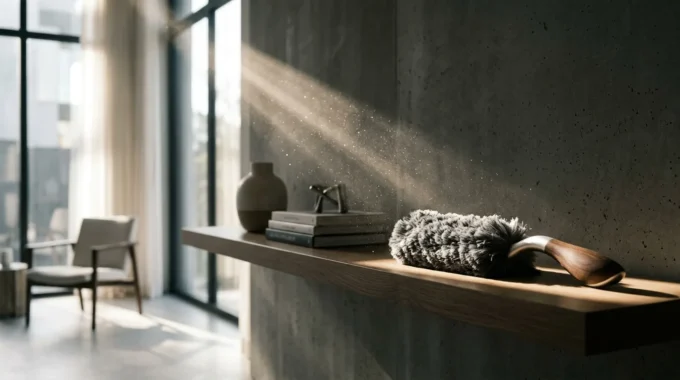
The Unseen Enemy: Why Effective Dusting Is Paramount
Dust is more than just an aesthetic nuisance; it’s a complex cocktail of skin cells, pet dander, pollen, fabric fibers, insect fragments, and environmental pollutants. For many, particularly allergy sufferers, this ubiquitous presence transforms a comfortable home into a source of chronic discomfort. The very act of house cleaning, if not executed properly, can ironically exacerbate the problem by simply stirring dust into the air, only for it to resettle moments later. But what truly defines effective dusting, especially when your well-being is on the line? It’s about strategically removing dust, not just relocating it.
Table Of Content
- The Unseen Enemy: Why Effective Dusting Is Paramount
- Arming Yourself: The Essential Dusting Tools
- Microfiber Cloths: The Dust Magnet
- Electrostatic Dusters: Reaching the Unreachable
- Vacuum Cleaners with HEPA Filters & Attachments: Your Deep Cleaning Ally
- Specialty Dusters: Targeting Specific Dust Havens
- Mastering Dusting Techniques & Routines
- Maintaining Your Dusting Arsenal & Looking Ahead
As a seasoned home maintenance specialist, I’ve observed countless homes where despite regular cleaning efforts, persistent dust and allergy symptoms remain. The fundamental issue often lies not in the frequency of cleaning, but in the choice of tools and the techniques employed. A simple feather duster, for instance, might appear to be doing the job, yet it often functions more as a dust circulator than a remover. Our goal at Clean & Cleaner is to empower you with the knowledge and tools to tackle dust at its source, leading to genuinely pristine surfaces and significantly improved indoor air quality.
Arming Yourself: The Essential Dusting Tools
Moving beyond rudimentary methods requires an understanding of tools designed for dust capture and retention. Investing in the right arsenal is a crucial step towards effective home maintenance and allergy relief. Let’s delve into the specific tools that form the backbone of a professional dusting regimen.
Microfiber Cloths: The Dust Magnet
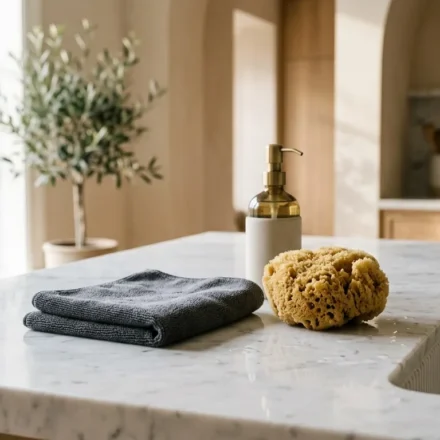
Microfiber cloths are, in my opinion, the undisputed champions of dusting. Unlike cotton, which tends to push dust around, microfiber is engineered with millions of tiny, wedge-shaped fibers that effectively trap and hold dust, dirt, and allergens within their intricate structure. For optimal performance, look for cloths with a GSM (Grams per Square Meter) rating of 250-350 for general dusting. A higher GSM, say 350-400, offers even greater absorbency for damp dusting or polishing.
Application: Use dry for light dusting on electronics, furniture, and delicate surfaces. For a deeper clean, especially on sealed wood, glass, or stainless steel, slightly dampen the cloth with water or an appropriate eco-friendly cleaner. Always fold your microfiber cloth into quarters; this provides eight fresh cleaning surfaces, maximizing its efficiency before needing to be rinsed or replaced. Remember to wash them separately from other fabrics, without fabric softener, to maintain their electrostatic properties.
Electrostatic Dusters: Reaching the Unreachable
Electrostatic dusters, such as those from the Swiffer Duster line or Pledge Grab-It, utilize a unique static charge to attract and hold dust particles. Their fluffy, flexible design makes them ideal for reaching into intricate spaces and around irregular shapes that traditional cloths might miss. They are particularly effective for blinds, intricate moldings, and lamp shades.
Application: These are excellent for quick, light dusting sessions. Use them on delicate items, electronics, and areas where you want to minimize disturbance. While highly effective at picking up dust, they are disposable, which can be a consideration for those prioritizing sustainability. However, for quick jobs, they are undeniably convenient and prevent dust from simply scattering.
Vacuum Cleaners with HEPA Filters & Attachments: Your Deep Cleaning Ally
When it comes to comprehensive dust removal, especially for deep cleaning, a high-quality vacuum cleaner is indispensable. Crucially, it must be equipped with a HEPA (High-Efficiency Particulate Air) filter. A HEPA filter is designed to trap 99.97% of airborne particles 0.3 microns or larger, including dust mites, pollen, and pet dander, ensuring these allergens are removed from your home, not recirculated. Brands like Miele, Dyson, and Shark offer excellent models with robust HEPA filtration.
Attachments are key: The dusting brush attachment (often circular with soft bristles) is perfect for curtains, upholstery, baseboards, and lamp shades. The crevice tool excels at reaching into tight corners, along window sills, and between cushions. For example, imagine this situation: your baseboards are coated in a fine layer of dust and pet hair. Instead of bending over with a cloth, simply attach the dusting brush to your vacuum, and systematically run it along the baseboards, effortlessly suctioning away the grime. This not only saves your back but also ensures the dust is truly gone, not just wiped into the carpet.
Specialty Dusters: Targeting Specific Dust Havens
Certain areas of our homes are notorious dust collectors, requiring specialized tools for effective cleaning. An extendable ceiling fan duster, often featuring a U-shaped microfiber head, makes quick work of dirty fan blades without needing a ladder. Similarly, specialized blind dusters, with multiple prongs, can clean several slats at once, significantly reducing dusting time for venetian or plantation blinds. These tools are fantastic cleaning tips for tackling those often-forgotten zones.
Mastering Dusting Techniques & Routines
Having the right tools is only half the battle; knowing how to use them effectively is equally important. My advice is always to dust from top to bottom. This ensures any dislodged dust falls onto surfaces you haven’t cleaned yet, preventing you from re-dusting areas. Start with ceiling fans, then high shelves, electronics, furniture, and finally, baseboards and floors.
Damp Dusting for Enhanced Capture: While dry dusting is great for light layers, damp dusting with a barely moist microfiber cloth is superior for capturing more dust and preventing it from becoming airborne. Always wring out the cloth thoroughly to avoid leaving excess moisture, which can attract more dust or damage certain surfaces. For allergy sufferers, consistent damp dusting can significantly reduce allergen loads.
Frequency and Routine: For most homes, a weekly dusting routine is ideal, focusing on high-traffic areas and frequently used surfaces. A more thorough deep cleaning, addressing less accessible areas like behind furniture or inside cabinets, should be performed monthly or quarterly. Consistency is the true secret to maintaining a dust-free environment.
Maintaining Your Dusting Arsenal & Looking Ahead
To ensure your dusting tools remain effective, proper maintenance is crucial. Wash microfiber cloths regularly in warm water with a mild detergent, avoiding fabric softeners and bleach, which can damage the fibers. Air dry or tumble dry on low heat. Electrostatic duster heads should be replaced once they are visibly saturated with dust, typically every few weeks depending on usage. Vacuum filters, especially HEPA filters, require periodic cleaning or replacement as per the manufacturer’s guidelines – typically every 6-12 months for replacement, and more frequently for cleaning pre-filters. Neglecting filter maintenance compromises your vacuum’s ability to trap allergens.
Finally, remember that dusting is an integral part of a broader home maintenance strategy. Consider integrating air purifiers with HEPA filters into your living spaces to continuously filter airborne particles. While professional cleaning services can offer thorough deep cleaning, empowering yourself with the right tools and knowledge for daily and weekly upkeep is the most sustainable path to a consistently clean and healthy home. At Clean & Cleaner, we believe that a proactive approach to cleaning is always the most effective.