The Great Debate: Crafting vs. Purchasing Your Clean
The quest for a pristine home often begins with the right cleaning solution, but faced with shelves of commercial products and a wealth of DIY recipes online, many homeowners find themselves at a crossroads. Which approach truly delivers superior results for multi-surface cleaning: the store-bought convenience or the homemade charm? As a seasoned expert in house cleaning and home maintenance, I've seen both strategies yield impressive results, yet also fall short under specific circumstances. This article will dissect the merits and drawbacks of each, offering you clear, actionable guidance to make the best choice for your unique household needs.
Understanding the fundamental differences in composition, efficacy, and safety between these two categories is paramount. My goal here is not to declare an outright winner, but rather to equip you with the knowledge to discern when a DIY concoction shines and when a commercially formulated product is indispensable. We will delve into everything from ingredient transparency to long-term cost implications, ensuring you approach your next cleaning task with absolute confidence.

The Allure and Limitations of DIY Multi-Surface Cleaners
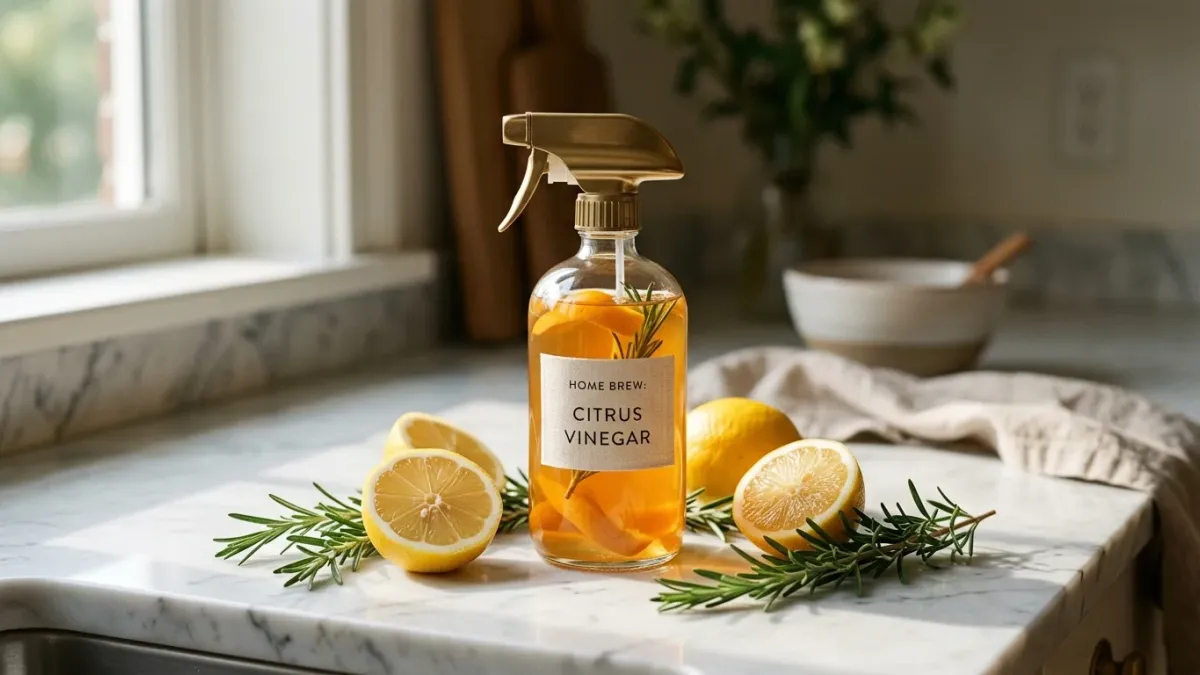
For many, the appeal of DIY multi-surface cleaners lies in their simplicity, cost-effectiveness, and often, their eco-friendly cleaners profile. Common ingredients like white vinegar, baking soda, lemon juice, and essential oils are readily available, inexpensive, and generally recognized as safe. A popular recipe often involves a simple mix of water, white vinegar, and a few drops of essential oil for scent, creating a solution effective for general wiping down of countertops, glass, and non-porous surfaces. This approach grants you complete control over what chemicals, if any, are introduced into your living environment, a significant advantage for those with sensitivities or small children and pets.
However, it's crucial to understand their limitations. While excellent for light house cleaning and everyday maintenance, DIY solutions often lack the potent germ-killing agents or specialized surfactants found in commercial products designed for deep cleaning. For example, plain vinegar and water might clean a surface, but they won't necessarily disinfect it to the same standard as a product registered with regulatory bodies. The pH balance of homemade solutions can also be a concern; highly acidic vinegar, for instance, can etch natural stone surfaces like marble or granite over time, causing irreversible damage. Based on my experience, this is a common oversight that leads to costly repairs.
Another practical consideration is shelf life and consistency. Homemade cleaners typically lack the preservatives of their store-bought counterparts, meaning they can degrade or grow mold if stored for too long, particularly those containing water and organic matter. This necessitates making smaller batches more frequently. Furthermore, achieving consistent efficacy with DIY solutions can be challenging; slight variations in ingredient ratios can significantly alter performance. Honestly, while charming, they aren't always the most reliable for every cleaning challenge.
The Power and Practicality of Store-Bought Multi-Surface Solutions
Stepping into the realm of store-bought multi-surface cleaners immediately introduces a different level of convenience and specialized performance. These products are scientifically formulated to tackle a broader spectrum of cleaning challenges, from grease removal to stain lifting and disinfection. Manufacturers invest heavily in research and development to create balanced formulas that are effective, stable, and safe for designated surfaces. Many contain surfactants that break down dirt and grease more efficiently, and some incorporate antimicrobials that effectively kill bacteria and viruses, a critical feature for areas like kitchens and bathrooms.
The consistency and reliability of store-bought cleaners are undeniable. When you pick up a bottle of a reputable brand like Method All-Purpose Cleaner or Lysol Multi-Surface Cleaner, you know exactly what level of clean and disinfection to expect every time. They are designed for ease of use, often coming in convenient spray bottles that ensure even application. For demanding tasks or when you require certified sanitization, such as after an illness, these products become invaluable. To be fair, the sheer variety available means you can find specific solutions tailored to virtually any surface or soil type, from delicate wood to tough oven grime.
However, the advantages come with their own set of considerations. The primary concern for many homeowners is the presence of synthetic chemicals, fragrances, and dyes. While most reputable brands adhere to strict safety standards, some individuals prefer to avoid these ingredients due to allergies, sensitivities, or environmental concerns. The cost per use can also be higher than DIY alternatives, and the packaging often contributes to plastic waste, though many companies are now offering concentrated refills or more sustainable packaging options. For example, imagine this situation: you've just hosted a large party, and your kitchen is covered in various spills and grease splatters. Would you trust a vinegar solution for this deep cleaning task, or would a robust store-bought degreaser provide the swift, effective results you need?
Safety First: Understanding Ingredients and Usage
Regardless of whether you choose DIY or store-bought, safety should always be your top priority. With DIY cleaners, while ingredients like vinegar and baking soda are generally safe, mixing certain substances can create dangerous reactions. For instance, combining vinegar with bleach produces chlorine gas, a highly toxic substance. It’s absolutely critical to never mix different cleaning agents unless explicitly instructed by a reliable source. Always wear gloves when handling concentrated ingredients and ensure adequate ventilation, even with natural solutions.
For commercial cleaners, reading and strictly following the label instructions is non-negotiable. Pay close attention to warnings regarding skin contact, inhalation, and eye irritation. Understand the dwell time required for disinfectants to be effective. As we at Clean & Cleaner often emphasize, proper ventilation is key when using any cleaning product, especially those with strong fumes. Always store cleaners, both DIY and store-bought, out of reach of children and pets in their original, clearly labeled containers. This diligence prevents accidents and ensures effective, safe cleaning practices in your home maintenance routine.
Making Your Informed Choice: When to Go DIY, When to Buy
Ultimately, the "supreme" multi-surface solution isn't about one reigning universally over the other; it's about making an informed decision based on the specific task, surface, and your personal priorities. For daily upkeep, general dusting, and light spills on non-sensitive surfaces, DIY cleaners are an excellent, sustainable, and cost-effective choice. They're perfect for maintaining a consistently fresh and lightly cleaned home without introducing harsh chemicals. Many of our cleaning tips frequently incorporate DIY solutions for these routine tasks.
However, for tougher challenges, sanitization requirements, or specialized surfaces, store-bought multi-surface solutions often provide superior efficacy and safety assurances. When dealing with mold, heavy grease, or when you need to eliminate germs effectively in high-traffic areas, commercial products engineered for these specific purposes will deliver more reliable and consistent results. For instance, if you're undertaking a major spring deep cleaning, a robust store-bought cleaner will likely save you time and effort compared to multiple applications of a DIY alternative. When considering professional cleaning services, they almost invariably use commercial-grade products for their proven performance.
My advice? Cultivate a cleaning arsenal that incorporates the best of both worlds. Keep a homemade multi-surface spray for everyday wipes and touch-ups, leveraging its natural components and low cost. Simultaneously, invest in a few high-quality, store-bought multi-surface cleaners for those moments when you need targeted power, disinfection, or simply the peace of mind that comes with a scientifically formulated solution. This hybrid approach offers flexibility, efficiency, and ensures your home remains clean, safe, and well-maintained.
Conclusion: A Balanced Approach to a Spotless Home
The debate between DIY and store-bought multi-surface cleaners isn't about choosing one path exclusively, but rather understanding their individual strengths and integrating them intelligently into your home maintenance strategy. Both options offer distinct benefits and drawbacks concerning cost, effectiveness, and environmental impact. By arming yourself with knowledge about ingredients, proper usage, and safety protocols, you empower yourself to make discerning choices that align with your cleaning goals and values.
Ultimately, a truly clean home is one that is not only visually appealing but also healthy and safe for its inhabitants. Experiment with both DIY recipes and reputable commercial products to discover what works best for different areas and challenges within your home. By adopting a balanced, informed approach, you can create a personalized cleaning regimen that is both effective and sustainable, ensuring your living space is always impeccably maintained.