






Introduction to Deep Cleaning
Let’s face it, our homes can be breeding grounds for dirt, dust, and allergens. But what would you do in this situation: you’re about to host a dinner party, and you notice that your beautiful white couch is now a magnet for stains and dust? Honestly, it’s a nightmare. As a cleaning expert, I believe that deep cleaning is essential to maintaining a clean, safe, and healthy home. In my opinion, it’s not just about aesthetics; it’s also about removing hidden dirt and grime that can affect our well-being.
Table Of Content
So, where do we start? Based on my experience, the key to deep cleaning is to tackle those hard-to-reach areas, such as upholstery, curtains, and blinds. These areas can harbor dirt, dust, and allergens, making them a breeding ground for bacteria and germs. To be fair, it’s not an easy task, but with the right techniques and tools, you can achieve professional-like results.
For example, imagine this situation: you’re trying to clean your favorite armchair, but the stains just won’t budge. You’ve tried every cleaning product on the market, but nothing seems to work. That’s where deep cleaning comes in – it’s a thorough and meticulous process that requires patience, dedication, and the right techniques.
Preparing for Deep Cleaning
Gathering the Right Tools and Equipment
Before we dive into the nitty-gritty of deep cleaning, let’s talk about the tools and equipment you’ll need. In my opinion, having the right tools can make all the difference. You’ll need a vacuum cleaner with a gentle suction setting, a soft-bristled brush, a cleaning solution, and a microfiber cloth. Honestly, it’s not just about throwing any old cleaning product at the problem; it’s about using the right formula for the job.
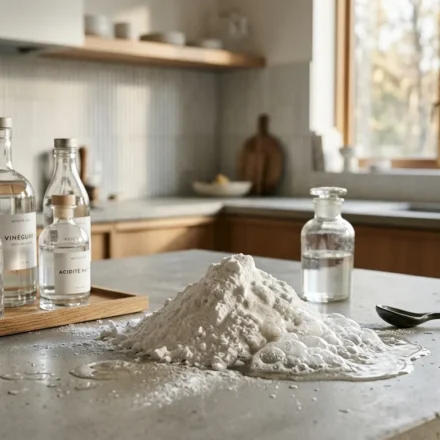
Some popular eco-friendly cleaners include white vinegar and baking soda. These natural ingredients are gentle on surfaces, yet tough on dirt and grime. Let me add something here: always read the label and follow the instructions carefully. You don’t want to end up damaging your upholstery or curtains.
Here are some additional tips to keep in mind:
- Always test a small, inconspicuous area first to ensure the cleaning solution doesn’t damage the fabric.
- Use a gentle cleaning motion, working from the outside in.
- Avoid using too much water, as it can damage the fabric or cause mold and mildew to grow.
Deep Cleaning Your Upholstery
Removing Stains and Odors
Now that we’ve covered the basics, let’s talk about deep cleaning your upholstery. In my experience, the key to removing stains and odors is to act quickly. The longer you leave a stain, the harder it is to remove. Honestly, it’s not just about removing the stain; it’s also about removing any lingering odors.
For tough stains, I recommend using a steam cleaner. These machines use hot water vapor to loosen and remove dirt and grime. Let me add something here: always use a gentle steam setting, as high heat can damage some fabrics.
To remove odors, try using a natural odor absorber like activated charcoal or baking soda. These ingredients can absorb and neutralize unpleasant smells, leaving your upholstery fresh and clean.
Deep Cleaning Your Curtains and Blinds
Dusting and Vacuuming
So far we covered upholstery, now let’s get to the really critical point: curtains and blinds. These areas can be notorious dust-gatherers, making them a haven for allergens and bacteria. Honestly, it’s not just about dusting; it’s also about removing any stubborn stains or grime.
For curtains, I recommend using a gentle vacuum setting and a soft-bristled brush to remove dust and dirt. Let me add something here: always check the care label first, as some fabrics may require dry cleaning or special care.
For blinds, try using a damp microfiber cloth to wipe down each slat. This will help remove dust and grime, leaving your blinds clean and streak-free.
Maintenance and Upkeep
Now that we’ve covered the basics of deep cleaning, let’s talk about maintenance and upkeep. In my opinion, regular cleaning is essential to keeping your home clean, safe, and healthy. Honestly, it’s not just about deep cleaning; it’s also about creating a routine that works for you.
Here are some additional tips to keep in mind:
- Set aside time each week to dust and vacuum your upholstery, curtains, and blinds.
- Use a HEPA-filter vacuum to trap allergens and bacteria.
- Consider hiring a professional cleaning service for a deep clean every 6-12 months.
To be fair, deep cleaning can be a daunting task, but with the right techniques and tools, you can achieve professional-like results. So, what are you waiting for? Get started today and give your home the deep clean it deserves!