






There’s an undeniable satisfaction that comes with looking through perfectly clear, sparkling windows. It transforms a room, inviting in more light and offering an unblemished view of the world outside. However, achieving this pristine finish often feels like a chore, frequently involving strong-smelling commercial cleaners that raise concerns about indoor air quality and environmental impact. As a cleaning expert, I consistently hear homeowners express a desire for effective cleaning solutions that align with a healthier, more sustainable lifestyle.
Table Of Content
- Why Opt for Eco-Friendly Window Cleaners?
- The Essential Ingredients for DIY Solutions
- Tried-and-True DIY Window Cleaner Recipes
- Recipe 1: The Classic Vinegar & Water for Everyday Shine
- Recipe 2: Vinegar, Water, & Dish Soap for Tougher Dirt
- Recipe 3: Streak-Free Shine with Alcohol & Cornstarch
- Advanced Techniques and Tools for Sparkling Results
- Preparation and Timing
- Essential Cleaning Tools
- Maintaining Your Windows
The good news is that achieving truly sparkling glass without relying on harsh chemicals is not only possible but also remarkably straightforward. This comprehensive guide will equip you with the knowledge and practical recipes to craft your own eco-friendly cleaners, ensuring your windows are not just clean, but radiating a healthy gleam. We’ll delve into the science behind these natural alternatives, providing you with actionable cleaning tips for immaculate results every time.
Why Opt for Eco-Friendly Window Cleaners?
The decision to switch to DIY eco-friendly window cleaners extends beyond mere trend; it’s a commitment to a healthier home and a more sustainable planet. Commercial window cleaners often contain ammonia, phthalates, and other volatile organic compounds (VOCs) that can irritate the respiratory system, trigger allergies, and even contribute to long-term health issues. When you choose natural alternatives, you are actively reducing your exposure to these potential hazards, creating a safer environment for your family and pets.
Beyond personal health, the environmental benefits are significant. By formulating your own solutions, you minimize the demand for single-use plastic bottles, which are a major contributor to landfill waste. Furthermore, the ingredients in DIY cleaners are typically biodegradable, meaning they break down naturally without polluting waterways or harming aquatic life. This proactive approach to house cleaning not only keeps your home spotless but also supports broader ecological well-being.
Let me add something here: many homeowners believe that “natural” means less effective. Honestly, based on my experience, this simply isn’t true for window cleaning. The right combination of common household ingredients can deliver results that rival, and often surpass, their chemical counterparts, especially when it comes to preventing streaks. Plus, the cost savings over time from purchasing bulk ingredients like vinegar and rubbing alcohol versus specialized cleaning products are substantial, making this a smart choice for long-term home maintenance budgets.
The Essential Ingredients for DIY Solutions
Crafting effective DIY window cleaners relies on understanding the properties of a few readily available, inexpensive ingredients. Each plays a crucial role in breaking down grime, lifting dirt, and ensuring a streak-free finish. Knowing their function empowers you to adapt recipes to your specific cleaning needs.
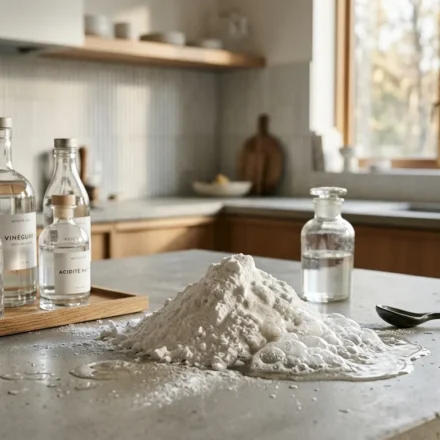
- Distilled White Vinegar: This powerhouse is your primary weapon. Its acetic acid content effectively cuts through grease, hard water stains, and general grime. Importantly, using distilled vinegar helps prevent mineral deposits that can cause streaks.
- Rubbing Alcohol (Isopropyl Alcohol): A fantastic addition for speeding up drying time and preventing streaks. Alcohol evaporates quickly, taking dissolved grime with it, and helps to dissolve stubborn residues like sap or sticky fingerprints.
- Cornstarch: A surprising but effective ingredient, cornstarch acts as a mild abrasive to gently scrub away stubborn dirt and polish the glass for an extra shine. It helps absorb oils and prevent streaks.
- Mild, Biodegradable Dish Soap: For heavily soiled windows, a tiny drop of dish soap can dramatically improve cleaning power. It acts as a surfactant, breaking the surface tension of water and helping to lift dirt and grease more effectively. Ensure it’s a truly biodegradable option to maintain your eco-friendly commitment.
- Distilled Water: This is critical for streak-free results. Tap water, even filtered, contains minerals that can leave unsightly streaks as the water evaporates. Distilled water is mineral-free, ensuring a crystal-clear finish.
These simple components, when combined correctly, create powerful and safe cleaning agents. The beauty of these eco-friendly cleaners lies in their simplicity and versatility, allowing you to tackle everything from light dusting to more intensive deep cleaning tasks on your windows.
Tried-and-True DIY Window Cleaner Recipes
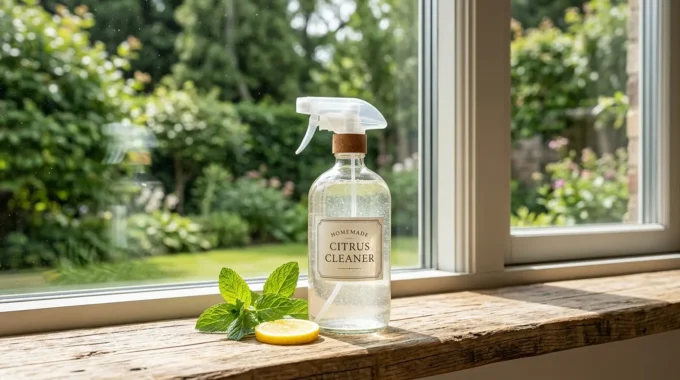
Now that we understand the building blocks, let’s mix up some effective solutions. These recipes are designed for various levels of window grime, ensuring you have the right formula for any situation. Remember, using a dedicated spray bottle for each recipe can simplify your cleaning routine.
Recipe 1: The Classic Vinegar & Water for Everyday Shine
This is your go-to for lightly soiled windows and regular maintenance. It’s incredibly simple yet remarkably effective.
Ingredients:
- 1/2 cup distilled white vinegar
- 1/2 cup distilled water
Method: Combine the ingredients in a spray bottle, shake gently, and spray directly onto the glass. Wipe immediately with a clean microfiber cloth, then buff with a second dry, clean microfiber cloth for optimal shine. This formula is perfect for weekly touch-ups and keeps your windows consistently bright.
Recipe 2: Vinegar, Water, & Dish Soap for Tougher Dirt
But what if your windows are really grimy, perhaps from outdoor elements or persistent fingerprints? This recipe adds a little extra muscle.
Ingredients:
- 1/4 cup distilled white vinegar
- 1/2 teaspoon mild, biodegradable dish soap
- 2 cups distilled water
Method: Mix all ingredients in a spray bottle. Spray generously onto dirty windows. The dish soap helps to break down grease and heavy soil. Wipe vigorously with a damp microfiber cloth, then follow with a clean, dry microfiber cloth or a squeegee for a streak-free finish. This is a fantastic solution for more intensive house cleaning sessions, especially after a long winter.
Recipe 3: Streak-Free Shine with Alcohol & Cornstarch
This is my personal favorite for achieving that truly professional, streak-free sparkle. The rubbing alcohol ensures quick evaporation, while the cornstarch helps polish the glass.
Ingredients:
- 1/4 cup distilled white vinegar
- 1/4 cup rubbing alcohol (70% isopropyl alcohol)
- 1 tablespoon cornstarch
- 2 cups distilled water
Method: Combine all ingredients in a spray bottle. Shake very well before each use, as the cornstarch tends to settle. Spray onto the window, ensuring good coverage. Wipe with a clean microfiber cloth or use a squeegee, then buff with a dry microfiber cloth. For example, imagine this situation: you’ve just hosted a lively party, and your patio doors are covered in smudges, sticky drink rings, and pet nose prints. This formula, with its enhanced grease-cutting and quick-drying properties, will effortlessly restore them to their former glory, leaving no trace behind.
Advanced Techniques and Tools for Sparkling Results
Having the right cleaner is only half the battle; proper technique and appropriate tools are equally important for achieving truly sparkling, streak-free windows. As an experienced home maintenance specialist, I cannot overstate the impact of these finer points.
Preparation and Timing
Before you even spray, take a moment to prepare. Dust window sills and frames first, either with a dry cloth or a brush attachment on your vacuum cleaner. This prevents dirty particles from dripping onto your newly cleaned glass. Timing is also crucial: avoid cleaning windows on hot, sunny days. The cleaner will dry too quickly, leaving frustrating streaks. Overcast days are ideal, allowing the solution to work its magic before evaporating.
Essential Cleaning Tools
- High-Quality Microfiber Cloths: Invest in several. They are highly absorbent, lint-free, and grab dirt effectively. Designate separate cloths for applying cleaner, wiping, and buffing.
- Professional-Grade Squeegee: For larger windows, a squeegee (10-14 inches is a good size for home use) can provide unparalleled streak-free results. Ensure the rubber blade is clean and sharp. Based on my experience, learning proper squeegee technique—overlapping strokes, wiping the blade after each pass—is a game-changer for deep cleaning windows.
- Two Buckets: One for your cleaning solution and one with clean water for rinsing your squeegee or cloths.
- Scrub Brush or Non-Scratch Scourer: For stubborn spots like dried bird droppings or paint splatters, a gentle scrub can make a significant difference before applying your cleaner.
Maintaining Your Windows
Regularity is key to easy home maintenance. Aim for exterior window cleaning at least twice a year, more often if you live in a dusty or high-traffic area. Interior windows typically require less frequent attention, perhaps quarterly, depending on household activity. Incorporating window cleaning into your seasonal house cleaning routine ensures they never become overwhelmingly dirty. For very high or unusually large windows, or if you simply lack the time, remember that reputable professional cleaning services are always an option for tackling those more challenging tasks.
Ultimately, the journey to sparkling windows without harsh chemicals is both rewarding and empowering. By embracing these DIY eco-friendly solutions and applying effective techniques, you are not only improving the aesthetics of your home but also contributing to a healthier living environment for everyone. Give these methods a try, and prepare to be impressed by the clarity and brilliance your windows will reveal. Your home, and the planet, will thank you for it.