






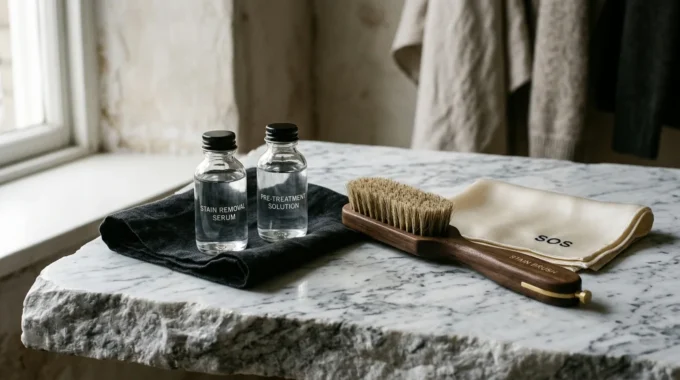
There are few things more disheartening than witnessing a fresh spill transform into a permanent stain on your beloved carpet, upholstery, or clothing. The key to mitigating this common household disaster lies not in frantic scrambling, but in preparedness. An effective emergency stain removal kit is your frontline defense against the unexpected, empowering you to act swiftly and decisively. This immediate action is often the sole differentiator between a minor incident and a lasting blemish that compromises your home’s aesthetic and cleanliness.
Table Of Content
- The Indispensable First Line of Defense: Why an Emergency Stain Kit Matters
- Building Your Basic Emergency Stain Removal Kit: The Essentials
- Absorbents: The First Step in Stain Fighting
- Basic Cleaning Solutions: Versatile and Effective
- Essential Tools: Extending Your Reach and Power
- Advanced Arsenal: Enhancing Your Kit for Tougher Challenges
- Specialty Stain Removers: Targeted Solutions
- Power Tools for Persistent Problems
- Mastering the Technique: How to Tackle Common Stains Effectively and Safely
- General Rules for Stain Removal
- Specific Stain Types and Their Solutions
- Maintaining Your Kit and Knowing When to Call the Pros
At Clean & Cleaner, we understand that proactive home maintenance extends beyond routine scrubbing; it encompasses being ready for those inevitable accidents. This guide will equip you with the knowledge and tools to assemble an indispensable emergency stain removal kit, ensuring you’re always prepared for instant spot cleaning success. We will delve into specific products, techniques, and safety protocols, transforming you from a frantic bystander into a confident stain-fighting expert.
The Indispensable First Line of Defense: Why an Emergency Stain Kit Matters
The moment a spill occurs, a countdown begins. The longer a substance sits on a surface, the deeper it penetrates fibers, solidifies, or reacts with the material, making removal exponentially more challenging. This is why immediate intervention is paramount. Imagine this situation: It’s Saturday morning, you’re enjoying a fresh cup of coffee, and suddenly, a clumsy bump sends a cascade of dark liquid across your new cream-colored rug. But what would you do in this situation without the right tools at your fingertips? Panic, perhaps? Or worse, rub it in, unwittingly spreading the problem?
Having a dedicated emergency stain removal kit eliminates the guesswork and minimizes precious response time. It means you aren’t hunting for a suitable cleaner or rag while the stain sets. This prepared approach not only increases your chances of complete stain removal but also significantly reduces the need for more intensive deep cleaning later on. Honestly, neglecting a fresh stain is the biggest mistake I see homeowners make, often leading to costly repairs or replacements down the line.
Furthermore, a well-stocked kit ensures you use the correct product for the job. Using the wrong cleaner can sometimes set a stain permanently or even damage the fabric. Our goal is to provide you with the knowledge to make informed decisions, ensuring effective and safe house cleaning practices.
Building Your Basic Emergency Stain Removal Kit: The Essentials
A robust emergency kit doesn’t need to be overly complicated or expensive. The core principle is to have readily available items that address the most common types of spills. These are the fundamental tools and solutions that, in my opinion, no home should be without. Keep them organized in a small caddy or a designated box under a sink or in a utility closet for easy access.
Absorbents: The First Step in Stain Fighting
- Clean Microfiber Cloths: These are superior to regular rags because their tiny fibers are excellent at wicking away liquids without smearing. Keep several on hand, preferably white or light-colored to avoid dye transfer.
- Plain White Paper Towels: Essential for initial blotting of larger spills. Ensure they are plain white to prevent any dyes from transferring to your surface.
- Old Terry Cloth Towels: Great for placing under stained items to absorb liquids that seep through, or for more vigorous blotting on durable surfaces.
Basic Cleaning Solutions: Versatile and Effective
- Dish Soap (Clear, Dye-Free): A few drops of a gentle, clear dish soap (like Dawn or Seventh Generation) mixed with water creates an excellent all-purpose degreaser and surfactant for many water-soluble stains. It breaks down oils and lifts grime.
- White Vinegar: An incredible natural cleaner and deodorizer. Diluted white vinegar is effective on many food stains, pet accidents, and mineral deposits. It’s also a fantastic eco-friendly cleaner.
- Hydrogen Peroxide (3% solution): A mild bleaching agent that’s great for organic stains like blood, wine, coffee, and pet urine. Always test on an inconspicuous area first, as it can lighten some fabrics. Store in its original dark bottle to maintain efficacy.
- Rubbing Alcohol (Isopropyl Alcohol): Excellent for ink, permanent marker, and sticky residues. It evaporates quickly, leaving little residue.
- Baking Soda: A natural absorbent and mild abrasive, perfect for drawing out odors and oils from fabrics. Sprinkle it on fresh spills to absorb liquid before vacuuming.
Essential Tools: Extending Your Reach and Power
- Small Spray Bottles: Label them clearly for pre-mixed solutions (e.g., “Dish Soap & Water,” “Diluted Vinegar”). This allows for precise application.
- Blunt Knife or Old Credit Card: Useful for gently scraping off dried, solid residues like mud, gum, or candle wax before applying liquid cleaners.
- Old Toothbrush or Small Scrub Brush: Perfect for working cleaners into carpet fibers or upholstery, especially in tight spots.
- Disposable Gloves: Protect your hands from harsh chemicals and biological contaminants, especially when dealing with certain types of stains.
Advanced Arsenal: Enhancing Your Kit for Tougher Challenges
While the basic kit handles most immediate spills, certain situations or stubborn stains might call for more specialized items. Elevating your kit with these additions can significantly improve your chances of tackling more persistent issues, pushing beyond simple spot cleaning into effective deep cleaning territory.
Specialty Stain Removers: Targeted Solutions
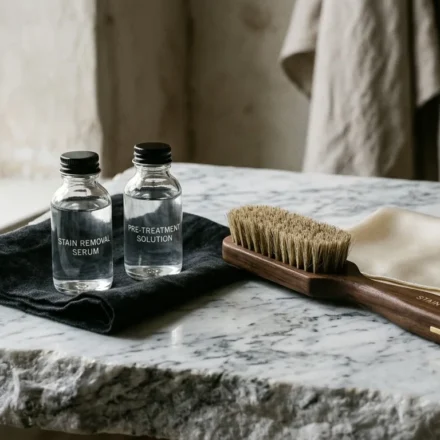
- Enzymatic Cleaner: Absolutely essential for pet urine, vomit, and other biological stains. Enzymes break down organic matter and eliminate odors at their source. Look for brands like Nature’s Miracle or Rocco & Roxie.
- Rust Remover: If you live in an area with hard water or have metal objects that might leave rust marks, a dedicated rust remover (e.g., CLR, Iron Out) is invaluable. Use with extreme caution and always follow manufacturer directions.
- Grease/Oil Spot Remover: For engine oil, cooking oil, or heavy grease stains on concrete or durable fabrics, a specific spot remover designed to emulsify oil is highly effective.
Power Tools for Persistent Problems
For larger or more deeply embedded stains, sometimes manual effort isn’t enough. Investing in a small, portable machine can be a game-changer for your home maintenance routine.
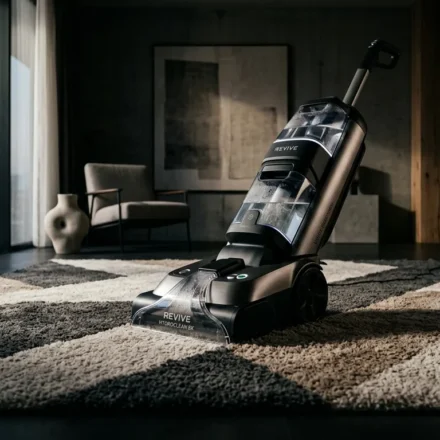
- Portable Wet/Dry Vacuum (Spot Cleaner): Devices like the Bissell SpotClean Pro or a small Shop-Vac are fantastic for extracting liquids and cleaning solutions from carpets and upholstery. They significantly reduce drying time and prevent residue buildup, which can attract more dirt. They are, in my opinion, a professional-grade addition to any homeowner’s arsenal.
- Handheld Steam Cleaner: While not for every stain, a small steam cleaner can sanitize and loosen stubborn grime on many surfaces without chemicals. It’s excellent for refreshing upholstery and killing bacteria.
Mastering the Technique: How to Tackle Common Stains Effectively and Safely
Having the right tools is only half the battle; knowing how to use them effectively is the other. Proper technique is crucial for successful stain removal and preventing further damage. These cleaning tips are foundational.
General Rules for Stain Removal:
- Act Immediately: The faster you address a stain, the better your chances of complete removal.
- Blot, Don’t Rub: Rubbing pushes the stain deeper into the fibers and can spread it, as well as damage the fabric. Always blot from the outside edge of the stain inward to prevent spreading.
- Test in an Inconspicuous Area: Before applying any cleaning solution, test it on a hidden spot (e.g., under a sofa cushion, inside a closet) to ensure it doesn’t cause discoloration or damage.
- Work from the Outside In: This prevents the stain from spreading outwards.
- Rinse Thoroughly (if appropriate): After treating, gently blot with a damp cloth to remove any cleaning solution residue. Leftover residue can attract dirt.
- Dry Completely: Ensure the area is thoroughly dry to prevent mildew or water rings. A fan or hair dryer on a cool setting can help.
Specific Stain Types and Their Solutions:
- Coffee/Tea: Blot thoroughly. Apply a mixture of dish soap and water, or a diluted white vinegar solution. For stubborn marks, hydrogen peroxide (3%) can be effective, but test first.
- Red Wine: Blot generously with paper towels. Immediately cover with salt or baking soda to absorb moisture, then vacuum. Follow with a dish soap and water solution or a specialized wine stain remover. Some find success with club soda.
- Grease/Oil: Scrape off any excess solid grease. Sprinkle baking soda or cornstarch to absorb oil, let sit for 15-30 minutes, then vacuum. Follow with a strong dish soap and water solution.
- Ink: Blot with rubbing alcohol. Place a clean cloth underneath the stained area to absorb the ink as it lifts. Repeat until the stain is gone.
- Pet Accidents: Blot up as much liquid as possible. Saturate the area with an enzymatic cleaner, allowing it to dwell for the recommended time (often 10-15 minutes or more) to break down odors and stains. Blot dry. These are crucial for effective house cleaning after pet incidents.
Safety Practices: Always ensure adequate ventilation when using cleaning solutions. Wear disposable gloves to protect your hands, and never mix different cleaning chemicals unless specifically instructed, as this can create dangerous fumes.
Maintaining Your Kit and Knowing When to Call the Pros
Your emergency stain removal kit is only effective if it’s well-maintained and accessible. Regularly check your supplies, replacing used items and expired solutions. Most cleaning products have a shelf life; for instance, hydrogen peroxide loses its potency over time, so ensure it’s fresh. Keep all items clearly labeled and stored safely out of reach of children and pets. This routine check-up is a simple yet vital aspect of ongoing home maintenance.
While an emergency kit can handle most fresh spills, there will be instances where a stain is simply too old, too large, or too complex for DIY methods. This is when it’s time to recognize the limits of your kit and consider calling in the experts. For truly stubborn marks, extensive water damage, or when you’re overwhelmed, remember that professional cleaning services offer expertise in deep cleaning solutions, specialized equipment, and advanced techniques that can often save materials you thought were beyond repair. They can provide comprehensive solutions that are simply not feasible with a home kit.
Equipping yourself with an emergency stain removal kit is an intelligent investment in your home’s longevity and cleanliness. It provides peace of mind and the power to tackle spills before they become permanent problems. By following these practical cleaning tips, you’ll be well-prepared for almost anything life throws your way, ensuring your home remains a pristine and inviting sanctuary. Visit Clean & Cleaner for more insights into keeping your home immaculate and well-maintained.