The Unsung Heroes of Pool Care: Why Automatic Cleaners are Essential
There's nothing quite like the refreshing embrace of a sparkling clean swimming pool on a hot day. But let's be honest: the dream of a pristine backyard oasis often bumps up against the reality of relentless manual scrubbing, skimming, and vacuuming. Ever spent a beautiful Saturday afternoon bent over with a telescopic pole, fishing out leaves, only to find more debris just hours later? This is where the magic of automatic pool cleaners truly shines, transforming a tedious chore into a hands-off operation that keeps your pool ready for a dip at a moment's notice.
Effective pool maintenance goes far beyond just aesthetics; it's critical for swimmer health, water chemistry balance, and the longevity of your pool's infrastructure. Neglecting regular cleaning can lead to an unsightly accumulation of leaves, dirt, and even algae, which not only makes your pool uninviting but also creates a breeding ground for bacteria and increases your chemical demand. An automatic pool cleaner is an indispensable part of a comprehensive home maintenance routine, consistently removing debris and ensuring your water stays clear, safe, and enjoyable without you breaking a sweat.
These diligent devices are designed to tackle the grunt work, systematically cleaning the pool floor, walls, and sometimes even the waterline. By automating this crucial aspect of pool care, you free up valuable time, reduce wear and tear on your main filtration system, and maintain a healthier swimming environment with less effort. Think of them as the dedicated housekeeper for your pool, working tirelessly to keep it in top condition, which in turn reduces the need for frequent manual deep cleaning sessions.
Decoding Automatic Pool Cleaners: Types and Their Mechanics
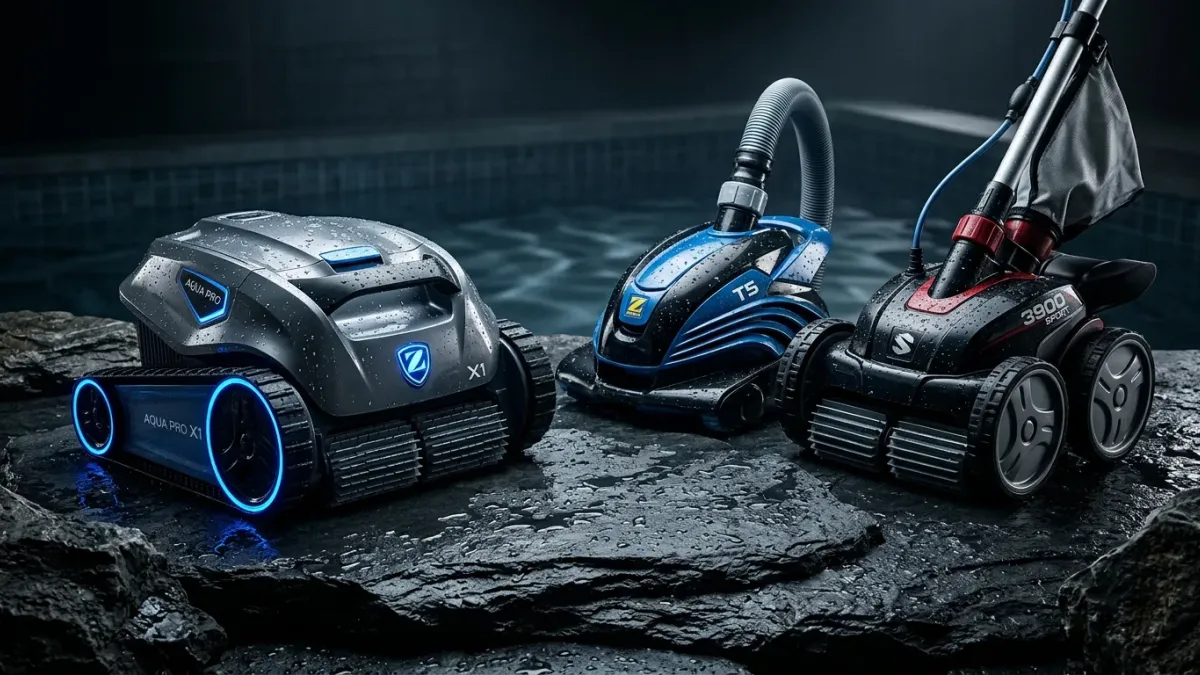
When it comes to automatic pool cleaners, the market offers a diverse range of options, each with its own operational mechanism, strengths, and ideal applications. Understanding these differences is key to selecting a cleaner that perfectly aligns with your pool's specific needs, your budget, and your desired level of hands-off performance. Let's break down the three primary types of automatic pool cleaners: robotic, suction, and pressure-side.
Robotic Pool Cleaners: The Independent Innovators
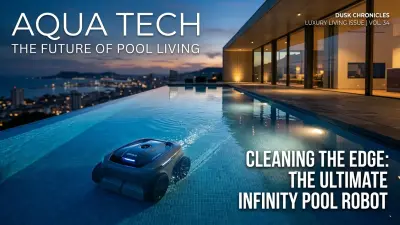
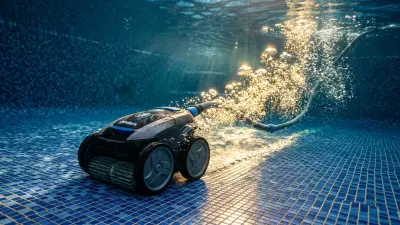
robotic pool cleaners are the most advanced and autonomous of the bunch. These self-contained units operate completely independently of your pool's main filtration system. They feature their own internal electric motors, which power brushes, drive treads or wheels, and an internal pump that circulates water through an onboard filter bag or cartridge. Equipped with sophisticated navigation systems, many modern robotic cleaners can "map" your pool, ensuring systematic coverage of the floor, walls, and waterline, scrubbing away stubborn dirt and algae as they go. For example, popular models like the Dolphin Nautilus CC Plus or the Polaris 9650iQ Sport offer excellent cleaning performance and smart features.
The primary advantages of robotic cleaners lie in their energy efficiency and superior filtration. Since they run on low-voltage electricity and have their own filtration system, they don't put any additional strain on your pool's main pump or filter, potentially saving you significant energy costs over time. They capture debris in their own onboard filter, preventing it from clogging your pool's skimmer baskets or main filter, which can extend the life of your existing pool equipment. However, their initial purchase price is generally higher than other types, and their internal components, while robust, may require specialized servicing down the line.
Suction Pool Cleaners: The Siphoning Simplifiers
Suction pool cleaners are the most common and often the most budget-friendly option. These cleaners connect directly to your pool's skimmer or a dedicated suction line, utilizing the vacuum created by your pool's main pump to operate. As the pump pulls water from the pool, the cleaner moves across the floor, essentially acting like a submerged vacuum cleaner, sucking up debris and routing it through your pool's existing filtration system. Iconic models include the Hayward Navigator or the Zodiac Baracuda G3, known for their reliable, albeit slower, performance.
While suction cleaners are affordable and straightforward, their efficiency is directly tied to your pool pump's power and runtime. They rely on your main filter to capture debris, meaning more frequent backwashing or cartridge cleaning of your primary filter, which can increase water and energy consumption. Furthermore, they are generally slower and less systematic than robotic cleaners, and they can sometimes get stuck on steps or obstacles. They are most effective for pools with lighter debris loads and those where homeowners don't mind their pool pump running for longer periods to facilitate cleaning.
Pressure-Side Pool Cleaners: The Powerful Propellers
Pressure-side pool cleaners utilize the pressure generated by your pool's circulation system to move around and clean. They connect to a dedicated return line and typically operate with the assistance of a separate booster pump (though some models can run off the main pump). Water is forced through the cleaner, propelling it across the pool floor and walls, while jets create a "venturi effect" to dislodge and collect debris into an attached filter bag. The Polaris 280 and Pentair Kreepy Krauly Legend are classic examples, renowned for their robust debris collection capabilities.
These cleaners are excellent at picking up larger debris like leaves, acorns, and pebbles, and their independent filter bag means they don't send debris to your main pool filter, reducing wear and tear on that system. However, the requirement for a booster pump (for optimal performance) means higher initial installation costs and increased energy consumption compared to robotic or even basic suction cleaners. They are often favored for pools that experience heavy debris loads or require a more powerful cleaning action, effectively providing a form of continuous deep cleaning without clogging your primary filtration.
Beyond the Price Tag: Assessing Efficiency, Cost-Effectiveness, and Environmental Impact
When selecting an automatic pool cleaner, the initial purchase price is just one piece of the puzzle. A truly informed decision requires a comprehensive look at the long-term operational costs, energy efficiency, and the overall environmental footprint. These factors contribute significantly to the total cost of ownership and align with modern home maintenance principles.
Energy Consumption and Long-Term Costs
Energy consumption is a critical factor. Robotic pool cleaners generally boast the lowest energy consumption, typically drawing around 150-200 watts. Since they operate independently and have their own power supply, they don't impact your main pool pump's energy usage. This can translate into substantial savings on your electricity bill over a season, often offsetting their higher initial cost within a few years. Suction cleaners, on the other hand, rely entirely on your main pool pump, which can draw anywhere from 750 to 3000 watts or more. If you run your pump for an extra 4-8 hours a day to facilitate cleaning, the electricity costs can accumulate quickly. Pressure-side cleaners, particularly those requiring a separate booster pump (which can draw 750-1500 watts), typically have the highest energy consumption when factoring in both the main pump and the booster pump running concurrently.
Beyond electricity, consider the lifespan and maintenance needs. Robotic cleaners, while sophisticated, might require occasional replacement of brushes, tracks, or even motors, which can be costly. Suction cleaners have fewer moving parts, primarily hoses and diaphragm/flapper replacements, making them generally cheaper to maintain. Pressure-side cleaners also have wear-and-tear items like drive belts and filter bags. Evaluating the availability and cost of spare parts, along with the expected lifespan of the unit (typically 3-7 years for most types, depending on usage and brand), gives a clearer picture of the true cost-effectiveness.
Filtration System Integration and Water Conservation
The way a cleaner integrates with your pool's main filtration system directly impacts both efficiency and environmental impact. Robotic cleaners use their own independent filter, which reduces the load on your pool's primary filter and pump. This means less frequent backwashing for sand or D.E. filters, or less frequent cartridge cleaning, leading to significant water savings – a key aspect of eco-friendly cleaners. Suction cleaners, however, send all collected debris to your main filter, which can quickly clog it, necessitating more frequent backwashing and thus increased water usage, especially during heavy cleaning periods. Pressure-side cleaners, with their onboard filter bags, also bypass the main filter, offering similar water-saving benefits to robotic models, though their overall energy footprint might be higher.
Environmental Impact and Eco-Friendly Options
Beyond energy and water, consider the broader environmental implications. Reduced reliance on chemical sanitizers is a benefit of any efficient cleaner; by removing debris before it decomposes, you lessen the organic load in the water, which in turn reduces chlorine demand. Some robotic cleaners even incorporate solar charging capabilities, further minimizing their carbon footprint. Utilizing an automatic cleaner as part of your regular home maintenance strategy contributes to a more sustainable pool, allowing you to enjoy your oasis with a clearer conscience. For those seeking truly eco-friendly cleaners, research models with durable, recyclable components and low power consumption, or even explore natural enzyme treatments that complement mechanical cleaning for spotless water.
Maximizing Your Cleaner's Potential: Best Practices and Troubleshooting
Purchasing an automatic pool cleaner is an excellent investment in home maintenance, but its efficiency and longevity depend heavily on how you use and care for it. Implementing best practices ensures your cleaner performs optimally, delivers the best deep cleaning results, and remains a reliable workhorse season after season. Furthermore, knowing how to troubleshoot common issues can save you time and potential repair costs, preventing the need for frequent professional cleaning services.
Pre-Cleaning Rituals and Optimal Deployment
Before deploying your automatic cleaner, a little preparation goes a long way. Always manually skim any large leaves, twigs, or heavy debris from the surface of the pool. While automatic cleaners are designed to pick up debris, overwhelming them with very large items can clog them or reduce their efficiency. Ensure your pool's chemical levels are balanced, as aggressive water chemistry can degrade hoses, plastics, and internal components over time. For suction and pressure-side cleaners, verify that your skimmer basket and pump basket are clear to ensure optimal flow.
When deploying the cleaner, ensure all hoses are free of kinks and are the correct length for your pool, allowing the cleaner to reach all areas without excess hose getting tangled. For robotic cleaners, avoid running them during periods of heavy swimmer activity or when children are around. Retrieve your cleaner gently after its cycle is complete, never by pulling on the hose or power cord. This attention to detail dramatically improves the effectiveness of your cleaning tips and routine.
Regular Maintenance of the Cleaner Itself
Just like any piece of equipment, your automatic pool cleaner requires regular maintenance to function efficiently. For robotic cleaners, immediately after each cycle, remove and thoroughly clean the filter basket or cartridge. This prevents accumulated debris from drying and hardening, which can reduce filtration capacity. Periodically inspect the brushes, treads, or wheels for wear and tear, replacing them as needed.
For suction and pressure-side cleaners, regularly check hoses for cracks, leaks, or blockages. Inspect the footpad, flapper, or diaphragm (for suction cleaners) and the filter bag (for pressure-side cleaners) for damage or clogs. A worn footpad on a suction cleaner, for instance, can significantly reduce its suction power and ability to climb walls. Always store your cleaner in a cool, dry place, out of direct sunlight, especially during the off-season, to protect its components from UV damage and extreme temperatures.
Troubleshooting Common Issues
Even the best automatic cleaners can encounter hiccups. If your cleaner isn't moving, check for blockages in the intake, impeller, or drive system. For robotic cleaners, ensure the power supply is connected and functioning correctly; sometimes a simple reset can resolve navigation issues. If a suction cleaner isn't moving or has weak suction, inspect the skimmer connection for air leaks, check the hose for cracks, and ensure your pool pump is operating at the correct pressure. For pressure-side cleaners, a common issue is a clogged filter bag or a struggling booster pump; ensure the bag is clean and the pump is cycling properly. If you find your cleaner consistently getting stuck in one area, adjust the hose length, flow diverters, or programming settings, depending on the cleaner type.
While many minor issues can be resolved with simple DIY cleaning tips and adjustments, don't hesitate to seek professional help for more complex problems. If your pool pump is malfunctioning, a booster pump isn't engaging, or a robotic cleaner's internal motor seems faulty, a local pool technician or professional cleaning services provider specializing in pool equipment can diagnose and repair the issue safely and efficiently. Attempting complex electrical or pump repairs without proper knowledge can be dangerous and void warranties.
Making the Right Choice: A Personalized Approach to Pool Cleaner Selection
Choosing the ideal automatic pool cleaner is a significant decision that impacts not just your pool's cleanliness, but also your time, energy consumption, and overall home maintenance routine. There isn't a one-size-fits-all solution; the "best" cleaner is the one that best suits your specific pool, lifestyle, and budget. By carefully considering several key factors, you can make an informed choice that delivers years of sparkling, hassle-free enjoyment.
Factors to Consider for Your Pool and Lifestyle
- Pool Size and Shape: For smaller, simpler pools, a basic suction cleaner might suffice. Larger pools, or those with complex shapes, deep ends, or plenty of steps and coves, will benefit immensely from the systematic coverage and wall-climbing capabilities of a robotic cleaner. Pressure-side cleaners are excellent for very large pools with heavy debris.
- Type and Amount of Debris: If your pool mainly collects fine dust and silt, a robotic cleaner with a fine filter or a suction cleaner is adequate. If you're constantly battling large leaves, acorns, or sand from nearby landscaping, a pressure-side cleaner with its large debris bag or a powerful robotic model will be more effective.
- Budget (Initial vs. Running Costs): Suction cleaners have the lowest upfront cost but potentially higher long-term energy costs due to increased main pump usage. Robotic cleaners have the highest initial investment but typically the lowest running costs. Pressure-side cleaners fall in the middle for initial cost, but can be higher on running costs if a booster pump is required. Factor in the total cost of ownership over several years, not just the sticker price.
- Existing Pool Equipment: Do you have a dedicated suction line or pressure line already installed? Is your main pool pump powerful enough to handle a suction cleaner efficiently, or would it struggle? Do you have space and electrical connections for a booster pump? These existing conditions can heavily influence which type of cleaner is most feasible without extensive modifications.
- Desired Level of Automation: How hands-off do you want your pool cleaning to be? Robotic cleaners offer the highest level of automation with minimal interaction needed beyond cleaning the filter basket. Suction and pressure-side cleaners require a bit more involvement in terms of hose management and potentially starting/stopping the pump or booster.
A Personalized Recommendation Matrix
- For the Budget-Conscious & Minimal Debris: A good quality suction cleaner like the Zodiac Baracuda G3 is often a solid entry point, provided your pool pump is efficient.
- For Heavy Debris & Low-Maintenance: A pressure-side cleaner such as the Polaris 280, especially with a booster pump, excels at clearing large volumes of leaves and heavier debris without clogging your main filter.
- For Energy Efficiency, Thorough Cleaning & Ultimate Convenience: A robotic cleaner like the Dolphin Nautilus CC Plus or a Polaris 9650iQ Sport offers comprehensive deep cleaning, wall-climbing, and smart navigation with the lowest operational energy costs.
The landscape of automatic pool cleaners is continually evolving, with advancements in smart home integration, more efficient motors, and improved navigation algorithms. Many modern robotic cleaners now connect to Wi-Fi, allowing you to schedule cleaning cycles or spot-clean specific areas from your smartphone, truly optimizing your home maintenance. By understanding your pool's unique characteristics and your personal preferences, you can confidently choose a cleaner that will keep your pool impeccably clean, allowing you to spend more time enjoying your aquatic sanctuary and less time on the chores of deep cleaning.