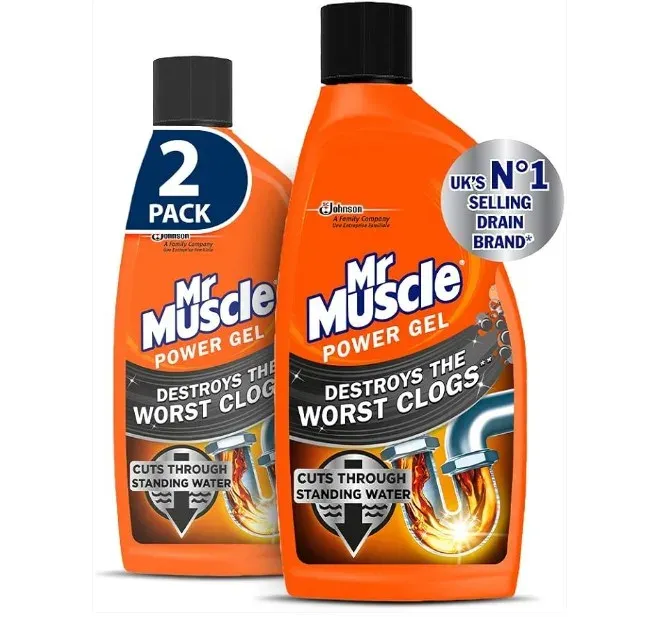
Clogged sinks, slow‑draining tubs, and foul odors are more than an inconvenience—they can signal a brewing plumbing problem that may cost hundreds to repair. A single stubborn blockage, if left untreated, can lead to pipe corrosion, water‑back‑ups, and even mold growth behind walls. Using a purpose‑built product like Mr Muscle Drain Cleaner can dissolve hair, grease, and food residue quickly, but the chemistry that makes it powerful also demands respect. This guide walks you through the science, the proper technique, and the preventive habits that keep your drains clear without compromising safety or pipe integrity.
Quick answer: To clear a typical kitchen or bathroom clog, pour the recommended amount of Mr Muscle liquid or powder into a dry drain, let it sit 15‑30 minutes, then flush with at least 2 liters of hot (≈60 °C) water while wearing gloves and eye protection. Repeat once if the blockage persists, but never exceed two applications in a 24‑hour period.
Why Proper Drain Care Matters
According to the American Society of Plumbing Engineers, the average homeowner spends about $250 – $500 on emergency drain repairs each year. Those figures rise sharply for older homes with galvanized or cast‑iron pipes, where corrosive chemicals can accelerate wear. Beyond the wallet, a clogged drain can create standing water that becomes a breeding ground for bacteria such as Escherichia coli and Pseudomonas aeruginosa, posing health risks especially for families with children or pets.
Regular maintenance—running hot water weekly, catching hair with a mesh screen, and avoiding grease pours—reduces the frequency of chemical clean‑outs by up to 60 % (a study by the Home Improvement Research Institute, 2022). When you do need a stronger solution, choosing the right product and applying it correctly prevents unnecessary pipe damage and keeps your home’s overall hygiene level high.
Inside the Bottle – What’s in Mr Muscle Drain Cleaner?
The formulation varies by version, but two core ingredients dominate:
- Sodium hydroxide (NaOH) – a caustic alkali that saponifies fats, turning grease into a water‑soluble soap.
- Sodium hypochlorite (NaOCl) – a bleach‑type oxidizer that breaks down protein‑based debris and adds a disinfecting effect.
Liquid concentrates typically contain 10‑12 % NaOH and 2‑3 % NaOCl, while powder formulas boost the alkaline load to 15‑18 % for tougher clogs. Foaming variants replace some NaOH with sodium percarbonate, which releases oxygen bubbles that lift debris from pipe walls.
Cleaner's tip: Many users skip the dwell time, rinsing after only five minutes. The chemical reaction needs at least 15 minutes to fully break down hair and grease; cutting the time short leaves residue that can re‑solidify and cause a second blockage.
| Product Type | Key Alkaline Agent | Typical Concentration | Best For |
|---|---|---|---|
| Liquid (e.g., Mr Muscle Original) | Sodium hydroxide | 10‑12 % | Hair and soap scum in bathroom drains |
| Powder (e.g., Mr Muscle Power‑Blast) | Sodium hydroxide (higher load) | 15‑18 % | Grease‑heavy kitchen sinks |
| Foam (e.g., Mr Muscle Burst) | Sodium percarbonate | 8‑10 % | Slow‑draining tubs where water pressure is low |
Because NaOH is highly corrosive, it can soften older PVC or weaken thin‑walled copper if left in contact for too long. Always read the label for pipe‑compatibility warnings and never combine Mr Muscle with other cleaners, especially ammonia‑based products, as the reaction can release toxic chloramine gases.
Step‑by‑Step Application for Safe, Effective Results
- Clear the area. Remove standing water with a cup or small bucket. A dry drain lets the cleaner reach the obstruction directly.
- Protect yourself. Slip on nitrile gloves, safety goggles, and a face mask. The fumes from NaOH and NaOCl can irritate eyes and respiratory passages.
- Measure accurately. Follow the product label—usually 100 ml of liquid or 30 g of powder per standard 3‑inch drain. Over‑dosing can raise the pH above 13, which is harsh on pipe joints.
- Pour slowly. Aim the nozzle at the drain opening to avoid splashing. For powder, dissolve it in a cup of warm water first to prevent clumping.
- Allow the dwell time. Let the mixture sit 15‑30 minutes. In colder climates, extend to 35 minutes; the reaction slows with lower temperatures.
- Flush with hot water. Use at least 2 liters of water heated to 60‑65 °C (140‑149 °F). Hot water melts residual grease and carries the dissolved debris away.
- Inspect. If water still drains slowly, repeat the process once more. Do not exceed two applications per day to avoid pipe stress.
After the final flush, run cold water for 30 seconds to bring the pipe temperature back to normal, reducing thermal shock on metal fittings. For persistent, solid blockages (e.g., a tree root intrusion), it’s safer to call a professional plumbing service rather than over‑using chemical cleaners.
Maintaining Drains Without Harsh Chemicals
Even the most effective drain cleaner should be a backup, not a routine. Eco‑friendly maintenance not only extends pipe life but also reduces the chemical load entering municipal wastewater. Here are three low‑impact habits that keep drains humming:
- Every month, pour a half‑cup of baking soda followed by a cup of white vinegar. Let it fizz for 15 minutes, then flush with hot water. The mild acid‑base reaction loosens light buildup without harming pipes.
- Install mesh drain screens in showers and bathtub drains. They capture hair and larger debris, cutting the amount of material that reaches the pipe wall by up to 80 %.
- Dispose of cooking grease in a solid container rather than the sink. Once solidified, grease can be thrown in the trash, preventing the formation of stubborn pipe “plugs.”
For more ideas on green home care, see our guide on eco‑friendly cleaning methods and the article about regular plumbing maintenance schedules. These resources blend deep‑cleaning techniques with sustainable practices, perfect for homeowners who value both cleanliness and environmental stewardship.
Choosing the Right Tool for the Job
While chemical cleaners tackle the worst clogs, mechanical tools often prevent them. A good vacuum, a high‑pressure hand‑held steamer, and a sturdy drain snake form a complementary toolkit.
| Tool | Model Example | Key Specs | Ideal Use |
|---|---|---|---|
| Wet/Dry Vacuum | Bissell CrossWave 225 WT | 1200 Pa suction, 2‑gal tank, HEPA filter | Extract standing water before applying chemicals |
| Handheld Steam Cleaner | Shark Steam‑Mop Pro | Steam temp 120 °C, 30 psi pressure | Loosen grease on sink basins and pipe exteriors |
| Drain Snake | General Tools 3‑ft Flexible Auger | 0.75 in. cable, stainless steel | Physically break up solid blockages before chemicals |
When selecting a vacuum for water removal, look for a model with a minimum suction of 1000 Pa and a sealed motor housing to prevent electrical hazards. For steam cleaners, a temperature above 115 °C ensures the steam can melt residual fats, while a pressure rating of at least 25 psi provides enough force to push debris through bends.
Combining the right tool with Mr Muscle’s chemical power yields a one‑two punch: the mechanical action removes bulk material, and the alkaline solution dissolves the remaining film. This synergy reduces the number of chemical applications needed and extends the life of your plumbing.
Recommendation: Start each cleaning cycle by vacuuming excess water, then apply Mr Muscle according to the step‑by‑step guide. For regular upkeep, switch to the baking‑soda‑vinegar method once a month and keep a mesh screen in every drain. Homeowners with older copper or PVC lines should favor the liquid version and limit use to twice a year, while newer homes can safely use the powder for occasional heavy‑grease clogs.
Frequently Asked Questions
Can I use Mr Muscle in a septic system?
Yes, but limit use to once every three months. The high pH can disrupt the bacterial balance that breaks down waste in a septic tank.
Is it safe to combine Mr Muscle with a natural enzyme cleaner?
No. Mixing an alkaline drain cleaner with an acidic enzyme product can cause a violent reaction that releases heat and potentially harmful gases.
How long should I wait before flushing after the dwell time?
Flush immediately after the recommended 15‑30 minute period. Delaying can allow the alkaline solution to linger, increasing the risk of pipe corrosion.
What temperature is “hot water” for the final flush?
Water between 60 °C and 65 °C (140 °F‑149 °F) is ideal. Anything cooler may not fully dissolve the residue, while boiling water can stress PVC joints.
Will Mr Muscle remove mineral deposits?
No. Mineral buildup from hard water requires an acidic cleaner (e.g., a citric‑acid solution) rather than an alkaline product.
Sources
- American Society of Plumbing Engineers
- U.S. Environmental Protection Agency (EPA)
- Centers for Disease Control and Prevention (CDC) – Cleaning Guidance
- Mr Muscle Official Product Information