There’s nothing quite like the sparkle of perfectly clean windows, letting the sunshine flood into your home without a single distracting streak or smudge. Yet, for many homeowners, achieving that elusive streak-free shine can feel like a constant battle. Streaks, lint, and water spots seem to appear out of nowhere, diminishing the hard work you’ve put in. As your trusted cleaning professional, I’m here to tell you it doesn't have to be that way!
With the right tools, techniques, and a little know-how, you can master the art of streak-free window cleaning. This comprehensive guide will walk you through every step, ensuring your windows are so clear, you might just forget they're there!
Why Do Windows Streak? Understanding the Culprits
Before we dive into the "how," let's briefly understand the "why." Streaks are often caused by one or more of these factors:
- Residue from Cleaners: Soaps or ammonia-based cleaners can leave a sticky film that attracts dirt and creates streaks, especially when exposed to direct sunlight.
- Lint from Cloths: Using paper towels or terry cloth towels can shed tiny fibers, leaving lint all over your freshly cleaned glass.
- Hard Water Spots: If your water supply has a high mineral content, drying without proper squeegee technique can leave behind unsightly mineral deposits.
- Direct Sunlight: Cleaning in direct sun causes the cleaner to dry too quickly, leaving behind residue before you can wipe it away properly.
Essential Tools for Professional Results
Forget the spray bottle and paper towels; true streak-free window cleaning requires a few specific items. Think of these as your arsenal for a sparkling home.
The Right Cloths and Wiping Tools
- Microfiber Cloths: These are your best friend. High-quality microfiber is super absorbent, lint-free, and great for scrubbing and polishing. Have several on hand: one for washing, one for drying edges.
- Squeegee: A professional-grade squeegee (8-14 inches wide is ideal for most home windows) is a game-changer. Ensure it has a sharp, high-quality rubber blade for a clean wipe.
- Bucket(s): Two buckets are ideal: one for your cleaning solution and one for rinsing your squeegee blade or dirty cloths.
Cleaning Solutions
- DIY Eco-Friendly Solution: For an effective and eco-friendly cleaner, mix one part distilled white vinegar with one part warm water in a spray bottle. Add a drop or two of dish soap (like Dawn) for extra cutting power against grease and grime. Vinegar is excellent for breaking down mineral deposits and leaving a shine.
- Commercial Window Cleaner: If you prefer commercial products, choose an ammonia-free, low-residue formula. Avoid anything that foams excessively.
- Scrub Brush or Sponge: For heavily soiled windows, a non-abrasive scrub brush or a dedicated window washing sponge can help loosen stubborn dirt.
Step-by-Step Guide to Streak-Free Windows
Ready to transform your windows? Follow these steps for professional-grade results every time you tackle your house cleaning.
-
Step 1: Prep the Area
First, remove any curtains, blinds, or decorative items from the windows. This allows full access. Next, dust the window frames, sills, and tracks thoroughly. Use a soft brush attachment on your vacuum cleaner or a dry microfiber cloth to remove loose dirt and cobwebs. This prevents muddy streaks later.
-
Step 2: Pre-Clean Stubborn Grime
If your windows are heavily soiled with caked-on dirt, pollen, or bird droppings, give them a preliminary rinse with plain water using a hose or a wet cloth. For really stubborn spots like dried paint or sticker residue, carefully scrape them off with a razor blade held at a shallow angle. Always be cautious when using sharp tools.
-
Step 3: Mix Your Solution
Prepare your cleaning solution. If using the DIY vinegar and water mix, ensure the water is warm, as it helps dissolve dirt and evaporate cleanly. Fill your second bucket with clean rinse water if you're using a squeegee.
-
Step 4: Apply and Scrub
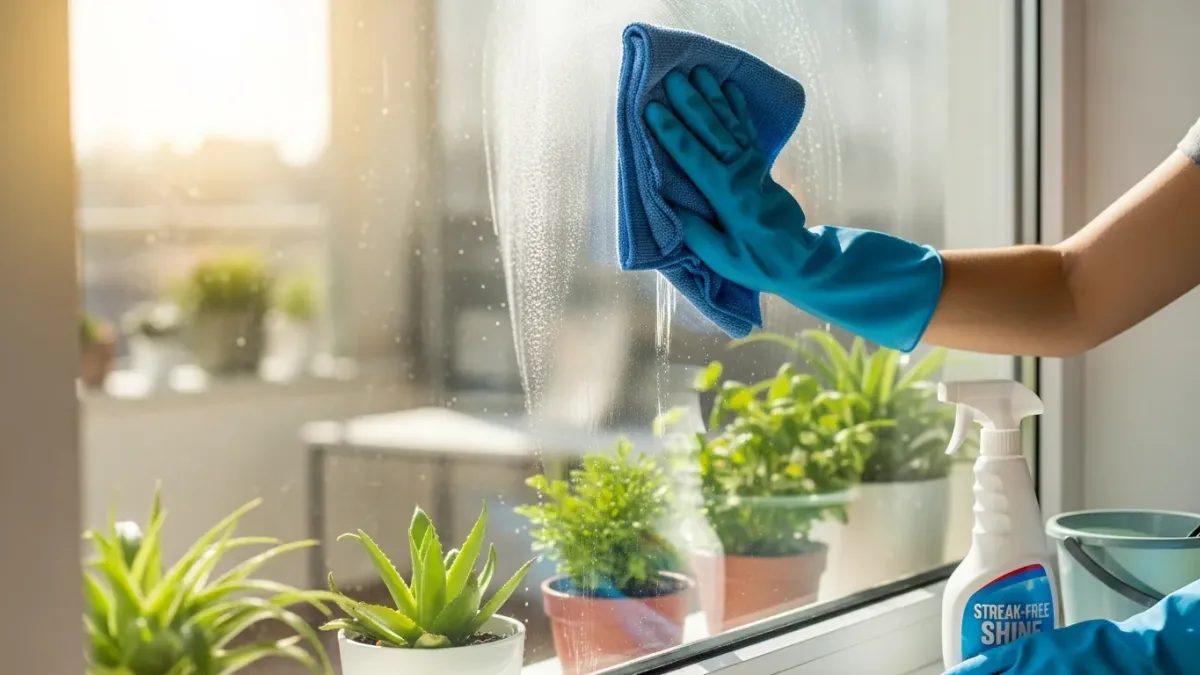
Liberally spray your cleaning solution onto the window, working from top to bottom. Don't be shy – ensure the entire pane is wet, but avoid oversaturating the frame. For heavy dirt, use your dedicated window sponge or scrub brush to gently agitate the grime, paying special attention to corners and edges. Make sure not to let the solution dry on the glass.
-
Step 5: Master the Squeegee Technique
This is where the magic happens for true deep cleaning!
- Angle and Overlap: Hold the squeegee at a slight angle (about 15-20 degrees) to the glass. Start at the top corner of the window.
- Consistent Strokes: Pull the squeegee across the window in a continuous, overlapping motion (about an inch of overlap per stroke). You can go horizontally or vertically, but consistency is key.
- Clean the Blade: After each stroke, wipe the squeegee blade clean with a dry microfiber cloth. This removes dirty water and prevents streaks.
- Wipe Excess: Use a clean, dry microfiber cloth to wipe any excess water from the window frame or sill after each section.
-
Step 6: The Final Polish
Once you’ve squeegeed the entire window, use a fresh, dry microfiber cloth to meticulously wipe around the edges and corners where water or solution might have pooled. Stand back and inspect for any missed spots or faint streaks. A quick buff with a dry microfiber cloth usually takes care of any minor imperfections.
Pro Tips for Sparkling Windows
- Choose the Right Day: Always clean windows on a cloudy day or when the sun is not directly hitting the glass. As mentioned, direct sunlight causes the solution to evaporate too quickly, leading to streaks.
- Don't Forget Screens: Remove and clean your window screens separately. Hose them down and scrub gently with soapy water and a soft brush. Rinse thoroughly and let them air dry before reinstalling.
- Regular Maintenance: Incorporate window cleaning into your regular home maintenance routine. For most homes, cleaning windows twice a year (spring and fall) is sufficient, but high-traffic areas or homes near dusty roads might benefit from more frequent attention.
- Safety First: If you're using a ladder for higher windows, ensure it's stable on a flat surface. Don't overreach, and always have someone spot you if possible. For very high or inaccessible windows, consider hiring professional cleaning services.
Achieving streak-free windows isn't just about making your home look better; it's about letting more natural light in and enjoying a clearer view of the world outside. By following these professional cleaning tips and using the right tools and techniques, you'll be amazed at the crystal-clear results. Happy cleaning!