






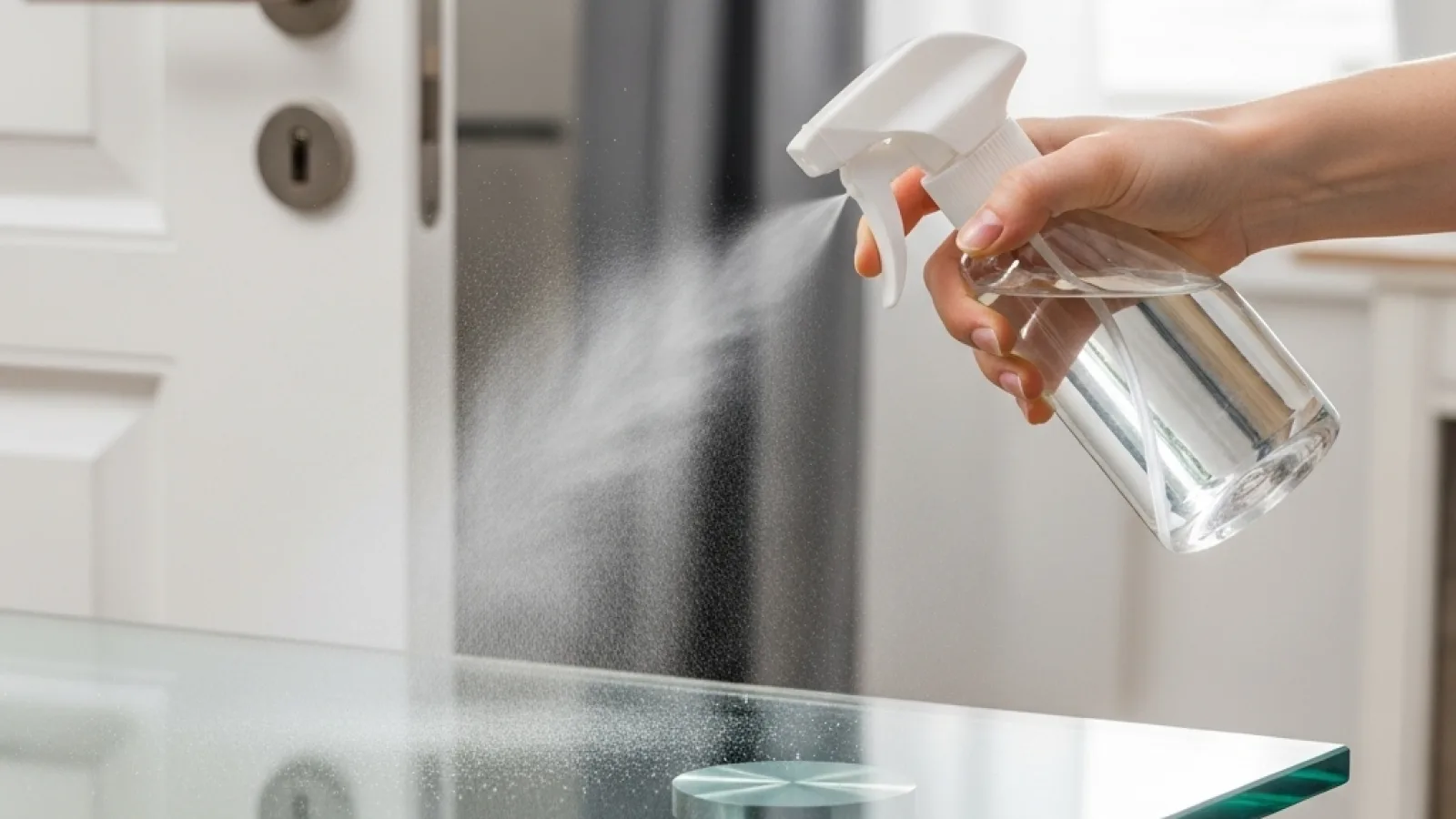
Cleaning products are everywhere, but few are as versatile as an alcohol spray cleaner. It’s one of those items that quietly sits in your cupboard until you suddenly need it—for wiping down a counter, sanitizing a phone, or freshening up clothes. The simplicity of alcohol sprays makes them appealing, but there are nuances worth knowing.
Table Of Content
- Why Alcohol Spray Cleaners Matter
- Best Alcohol Spray Cleaner
- Where to Buy Alcohol Spray Cleaner
- Alcohol Spray for Cleaning Clothes
- Rubbing Alcohol Spray
- Alcohol Spray Sanitizer
- Alcohol Cleaning Spray for Derma Roller
- Practical Observations
- Mistakes I’ve Made
- Comparing Options
- Tips for Using Alcohol Spray Cleaner
- Final Thoughts
I’ve used different alcohol sprays over the years, and while they all promise quick cleaning, not every bottle works the same way. Some are stronger, some smell harsher, and some are better suited for specific tasks like sanitizing a derma roller or freshening fabrics. Let’s walk through the details in a way that feels practical, not polished.
Why Alcohol Spray Cleaners Matter
Alcohol-based cleaners are popular because they evaporate quickly and kill many types of bacteria and viruses. Unlike soap, they don’t leave residue. That’s why you’ll see them used in hospitals, salons, and households.
But here’s the catch: not all alcohol sprays are equal. Concentration matters. Too weak, and it won’t sanitize properly. Too strong, and it might damage surfaces or fabrics.
I once used a high-strength spray on a wooden table, and it left a cloudy mark. Lesson learned—always check what you’re spraying.
Best Alcohol Spray Cleaner
So, what’s the best alcohol spray cleaner? Honestly, it depends on what you’re cleaning.
- For surfaces: A 70% isopropyl alcohol spray is usually recommended. It balances effectiveness with safety.
- For clothes: A lighter formula or fabric-safe spray works better.
- For derma rollers: Medical-grade alcohol is ideal.
- For general sanitizing: Multipurpose sprays are convenient.
I’ve tried a few brands, and while some smell nicer or come in fancier bottles, the effectiveness usually comes down to alcohol concentration.
Where to Buy Alcohol Spray Cleaner
Finding one isn’t hard. If you’re wondering where to buy alcohol spray cleaner, supermarkets, pharmacies, and online retailers all stock them.
- Supermarkets: Convenient, often cheaper.
- Pharmacies: More reliable for medical-grade sprays.
- Online: Wider variety, but quality can vary.
I tend to grab mine from a pharmacy. It feels safer knowing it’s intended for proper sanitizing, not just marketed as a “freshener.”
Alcohol Spray for Cleaning Clothes
This one surprised me. Using alcohol spray for cleaning clothes isn’t about washing—it’s more about refreshing. A light mist can help remove odors or sanitize fabrics between washes.
I’ve used it on jackets that I didn’t want to wash too often. It worked, but I had to be careful. Dark fabrics sometimes showed faint marks if I sprayed too much. Testing on a small area first is smart.

Rubbing Alcohol Spray
The term rubbing alcohol spray usually refers to isopropyl alcohol diluted to around 70%. It’s versatile—good for surfaces, electronics, and even minor first aid.
I keep a small bottle at my desk for cleaning my phone and keyboard. It evaporates quickly, so I don’t worry about moisture damage. Just don’t spray directly onto electronics—apply to a cloth first.
Alcohol Spray Sanitizer
During the pandemic, alcohol spray sanitizer became a household essential. It’s basically the same idea as gel sanitizers but in spray form. Easier to apply on hands, and less sticky.
I prefer sprays when I’m on the go. They feel lighter, and I can use them on both hands and surfaces like door handles. The downside is that sprays can dry out skin faster than gels. Carrying a moisturizer helps.
Alcohol Cleaning Spray for Derma Roller
This is a niche but important use. A derma roller needs proper cleaning because it punctures the skin. Using an alcohol cleaning spray for derma roller ensures it’s sanitized before and after use.
I’ve seen people skip this step, and it’s risky. Bacteria on a roller can cause infections. A quick spray with medical-grade alcohol is simple and effective.
Practical Observations
Here are a few things I’ve noticed after using alcohol sprays regularly:
- They evaporate fast, which is great, but it means you need enough coverage.
- Strong sprays can smell harsh. Ventilation helps.
- Not all surfaces react well—painted wood, certain plastics, and fabrics can be sensitive.
- They’re handy for travel, especially small pocket-sized bottles.
Mistakes I’ve Made
- Spraying too much on clothes: left marks.
- Using on glossy surfaces: caused streaks.
- Forgetting to check concentration: weaker sprays didn’t sanitize properly.
It’s easy to assume all alcohol sprays are the same, but small differences matter.
Comparing Options
Between sprays, gels, and wipes, sprays feel the most versatile. Wipes are convenient but dry out quickly. Gels are good for hands but not surfaces. Sprays cover both.
That said, sprays can be wasteful if you’re not careful. A fine mist is enough—you don’t need to drench the surface.
Tips for Using Alcohol Spray Cleaner
- Test on a small area before spraying fabrics.
- Don’t spray directly onto electronics.
- Store in a cool place—heat can affect alcohol concentration.
- Keep away from flames (obvious, but easy to forget).
Final Thoughts
The alcohol spray cleaner is one of those everyday tools that’s easy to overlook but incredibly useful. Whether you’re refreshing clothes, sanitizing a derma roller, or wiping down a phone, it’s versatile and effective.
The best alcohol spray cleaner depends on your needs, and knowing where to buy alcohol spray cleaner—whether at Tesco, Asda, or a pharmacy—makes it accessible. From rubbing alcohol spray to alcohol spray sanitizer, the variations all serve slightly different purposes.
For me, the biggest takeaway is balance. Use it often enough to stay clean, but not so much that you damage surfaces or fabrics. And always check the concentration—it makes all the difference.