






Whiteboards are one of those tools that seem simple until you actually use them every day. Whether it’s in an office, classroom, or even at home, they collect smudges, ghost marks, and ink stains faster than you’d expect. I’ve tried a range of dry erase cleaner products over the years, from branded sprays like EXPO dry erase cleaner to homemade solutions with isopropyl alcohol. This review is my attempt to share what worked, what didn’t, and the small details I noticed while cleaning whiteboards in real life.
Table Of Content
- First Impressions
- Best Dry Erase Cleaner
- Homemade Dry Erase Cleaner
- Whiteboard Cleaner Spray
- How to Clean Whiteboard Stains
- Clean Whiteboard with Hand Sanitizer
- EXPO Dry Erase Cleaner
- DIY Whiteboard Cleaner Isopropyl Alcohol
- How to Clean Whiteboard Without Damaging It
- Pros and Cons Across the Board
- Small Details That Stood Out
- Who These Products Suit
- Final Thoughts
First Impressions
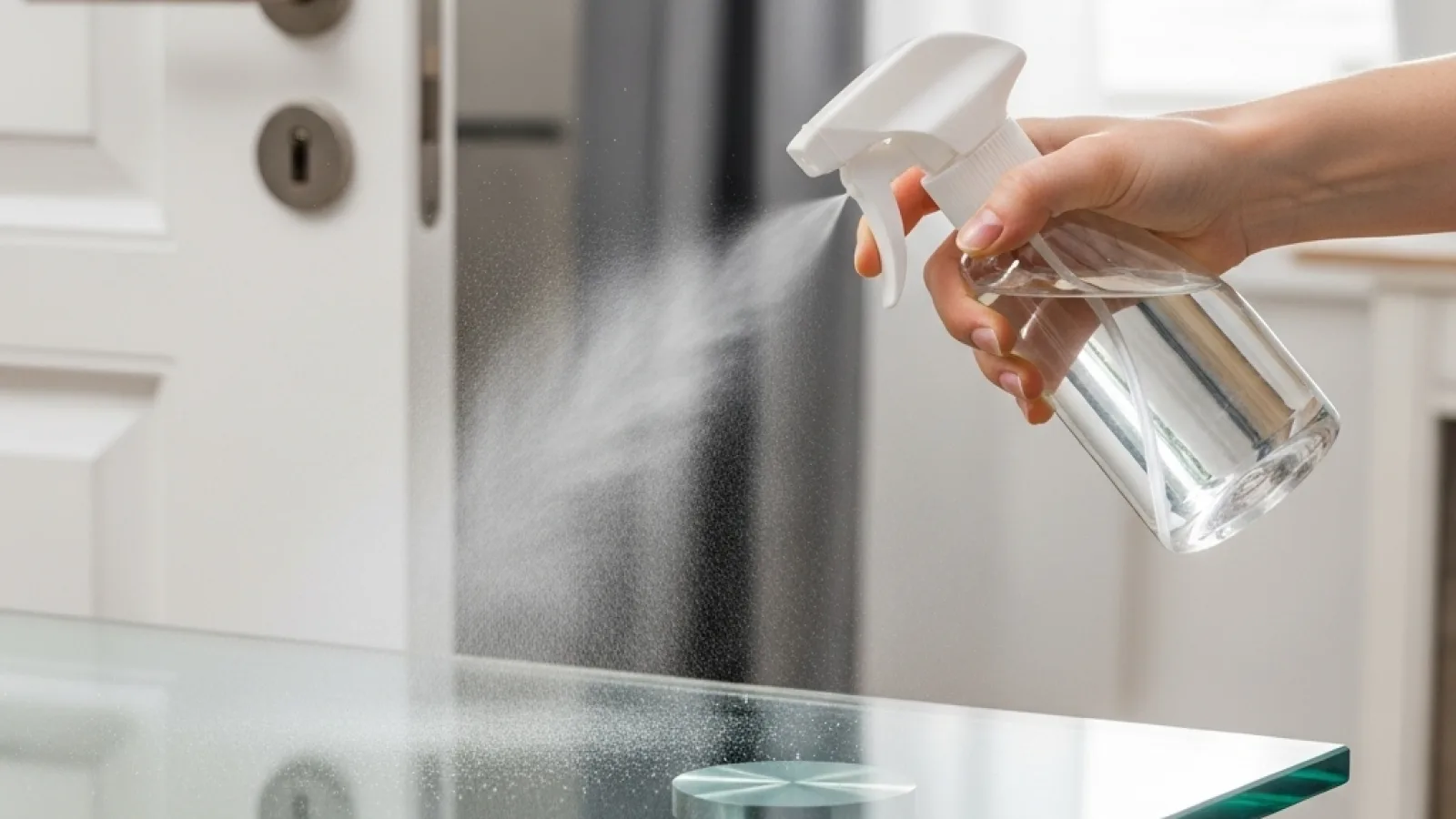
The first time I bought a whiteboard cleaner spray, I assumed it would be like glass cleaner. Spray, wipe, done. But the texture was different. It felt slightly oily at first, which made me wonder if it would leave residue. One thing I noticed while using it: the spray loosened old ink quickly, but if I didn’t wipe thoroughly, faint streaks remained.
That was my first lesson—whiteboard cleaners aren’t magic. They help, but you still need a decent cloth and a bit of effort.
Best Dry Erase Cleaner
People often ask about the best dry erase cleaner. Honestly, it depends on your situation.
- For daily use: branded sprays like EXPO are reliable.
- For occasional deep cleans: isopropyl alcohol works well.
- For budget-conscious users: homemade cleaners are fine, though not always consistent.
From what I noticed, the “best” cleaner is the one you’ll actually use regularly. A fancy bottle doesn’t help if it just sits in a drawer.
Homemade Dry Erase Cleaner
I experimented with a homemade dry erase cleaner using vinegar and water. It worked okay for light smudges but struggled with ghosting (those faint marks that stay even after erasing).
Later, I tried DIY whiteboard cleaner with isopropyl alcohol. That was more effective. It cut through old ink better than vinegar. The downside was smell—it lingered longer than I liked.
Pros:
- Cheap and easy to make
- Effective on older stains (with alcohol)
- Safe for most boards
Cons:
- Vinegar mix was weak
- Alcohol smell was strong
- Needed frequent reapplication
In my experience, homemade cleaners are fine for quick fixes, but branded sprays feel more consistent.

Whiteboard Cleaner Spray
The whiteboard cleaner spray I used most often was EXPO. It came in a small bottle, easy to store.
Pros:
- Effective on fresh ink
- Pleasant scent compared to alcohol
- Easy to apply
Cons:
- More expensive than DIY options
- Not perfect on ghosting
- Bottle ran out quickly
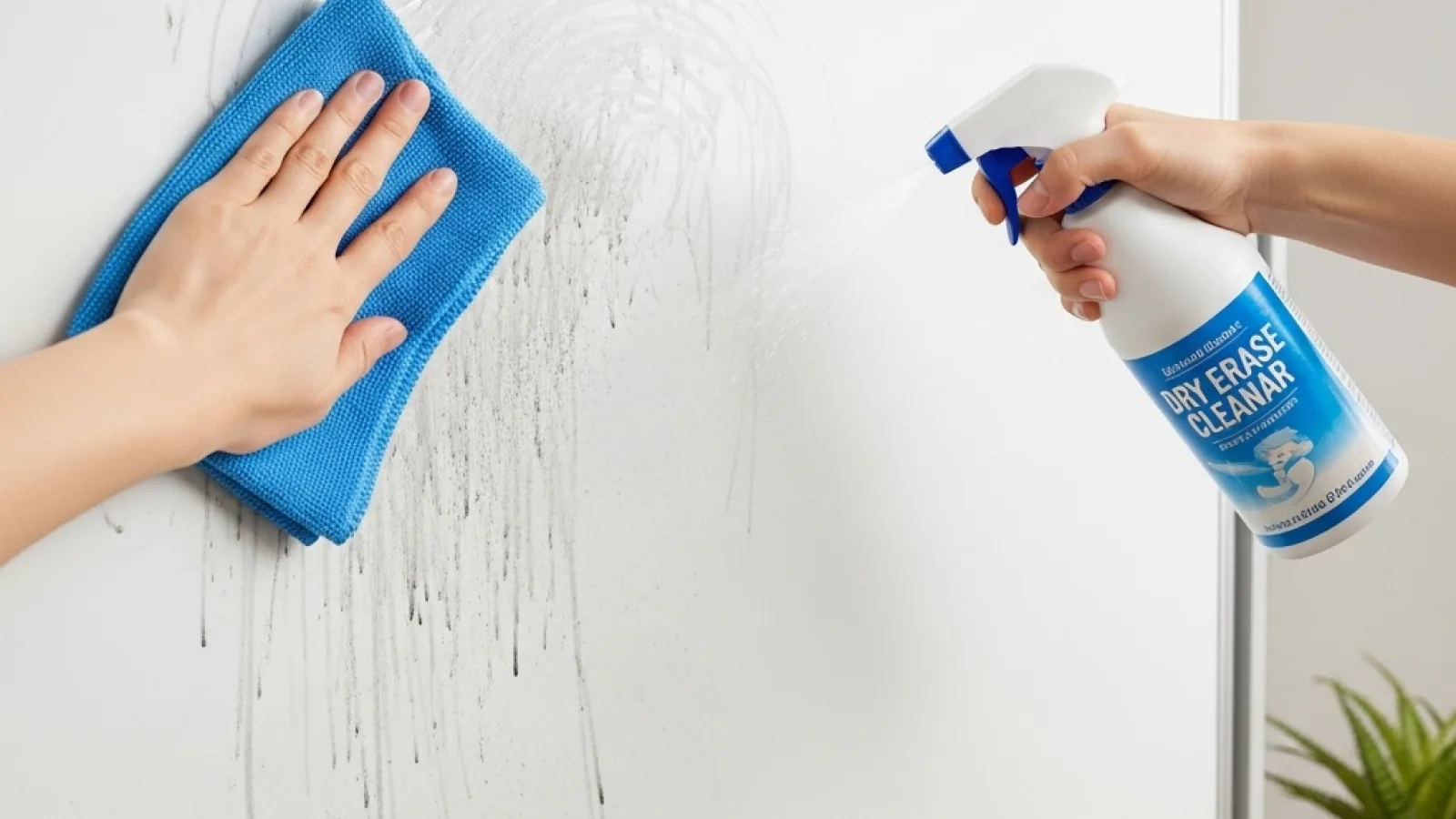
One small detail I noticed: the spray worked better if I let it sit for a few seconds before wiping. That gave it time to loosen the ink.
How to Clean Whiteboard Stains
Learning how to clean whiteboard stains took trial and error. Fresh ink wipes off easily, but older marks need more effort.
Tips I picked up:
- Use a microfiber cloth instead of paper towels (less streaking).
- Spray cleaner and let it sit briefly.
- For stubborn stains, rub gently with isopropyl alcohol.
One mistake I made was scrubbing too hard with a rough cloth. It left tiny scratches that made ghosting worse.
Clean Whiteboard with Hand Sanitizer
Out of curiosity, I tried to clean a whiteboard with hand sanitizer. It worked surprisingly well. The alcohol content lifted ink quickly.
Pros:
- Convenient (everyone has sanitizer around now)
- Effective on stubborn marks
- Quick drying
Cons:
- Sticky residue if not wiped thoroughly
- Strong smell
- Not ideal for regular use
In my experience, sanitizer is a good emergency option, but not something I’d rely on daily.
EXPO Dry Erase Cleaner
The EXPO dry erase cleaner deserves its own mention. It’s probably the most popular brand.
Pros:
- Reliable performance
- Pleasant scent
- Safe for most boards
Cons:
- Pricey compared to DIY
- Bottle size feels small
- Doesn’t completely eliminate ghosting
One thing I noticed: EXPO cleaner worked best when paired with their branded erasers. Using a random cloth sometimes left streaks.
DIY Whiteboard Cleaner Isopropyl Alcohol
The DIY whiteboard cleaner with isopropyl alcohol was the strongest option I tried. It removed ghosting better than sprays.
Pros:
- Cheap
- Strong cleaning power
- Widely available
Cons:
- Harsh smell
- Can dry out the board surface if overused
- Requires careful wiping
In my experience, alcohol is great for occasional deep cleans, but I wouldn’t use it daily.
How to Clean Whiteboard Without Damaging It
One concern I had was how to clean a whiteboard without damaging it. Scratches and residue make boards harder to use.
Tips that helped:
- Avoid abrasive cloths.
- Don’t use bleach or harsh chemicals.
- Stick to sprays or alcohol for tough stains.
- Wipe gently in circular motions.
One thing I noticed: over-cleaning can actually make ghosting worse. Sometimes it’s better to clean lightly and accept faint marks.
Pros and Cons Across the Board
Pros of dry erase cleaners:
- Quick and easy to use
- Effective on fresh ink
- Safe for most boards
Cons:
- Limited effectiveness on ghosting
- Strong smells in some products
- Bottles run out quickly
Small Details That Stood Out
- Sprays worked better with microfiber cloths.
- Alcohol cleaned deeper but smelled stronger.
- Hand sanitizer was surprisingly effective in emergencies.
- Vinegar mixes were too weak for serious stains.
Who These Products Suit
- Teachers and office workers: Branded sprays like EXPO are reliable.
- Budget-conscious users: DIY alcohol cleaners are cheap and effective.
- Occasional users: Supermarket sprays are fine for light cleaning.
- Emergency fixes: Hand sanitizer works in a pinch.
But none of these are perfect. Each has trade-offs.
Final Thoughts
Using a dry erase cleaner is worth it if you want to keep your whiteboard looking fresh. Whether it’s a whiteboard cleaner spray, a homemade dry erase cleaner, or even DIY whiteboard cleaner with isopropyl alcohol, each has strengths and weaknesses.
None of them are flawless. Some smell too strong, others struggle with ghosting, and bottles run out quickly. But in my experience, they all help maintain boards better than doing nothing.
If you’re realistic about what they can do, you’ll find them useful. If you expect miracles, you’ll be disappointed.