Your Guide to a Perfectly Maintained Pool: Seasonal Opening & Closing
As a homeowner, your swimming pool is a fantastic source of enjoyment and relaxation, but it also requires diligent care. Understanding the seasonal pool cleaning schedule for opening and closing your pool is crucial for its longevity, safety, and your peace of mind. Think of it as essential home maintenance that keeps your backyard oasis ready for fun. I'm here to walk you through the process like a trusted friend, ensuring you know exactly what to do.
Pool Opening: Getting Ready for Fun (Spring)
Spring is here, and it’s time to transform your pool from its winter slumber into a crystal-clear haven. This deep cleaning and reactivation process is exciting but requires a systematic approach.
1. Gather Your Tools & Prioritize Safety
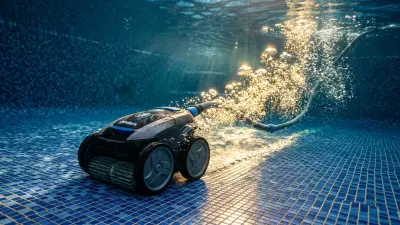
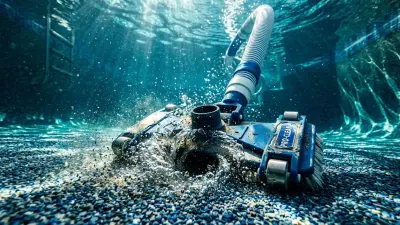
- Tools: Pool brush, skimmer net, telescoping pole, pool vacuum (manual or robotic like a Dolphin Nautilus CC Plus), water test kit (strips or liquid), basic chemicals (chlorine, pH increaser/decreaser, alkalinity increaser, calcium hardness increaser, shock), filter cleaner, O-ring lubricant, safety goggles, gloves.
- Safety First: Always wear appropriate safety gear when handling chemicals. Read all product labels carefully.
2. Remove and Clean the Pool Cover
Carefully remove your winter pool cover. Lay it out flat and clean off all debris (leaves, twigs, dirt) with a soft brush and hose. If you have a solid cover, consider using a specialized cover cleaner. Allow it to dry completely before folding and storing it to prevent mildew. This is a vital step in preventing winter debris from entering your pool.
3. Initial Debris Removal & Water Level Adjustment
With the cover off, use your skimmer net and telescoping pole to remove large debris from the pool floor and surface. Re-install skimmer baskets. Then, using your garden hose, fill the pool to its normal operating level (typically halfway up the skimmer opening).
4. Reconnect Equipment & Prime the Pump
Reconnect all filtration equipment: pump, filter, heater, and any chlorinators or salt cells. Ensure all drain plugs are re-installed and O-rings are lubricated. Before starting, remove the pump lid, fill the pump basket with water to prime it, and replace the lid securely. Then, turn on your pump and filter system. Check for leaks immediately.
5. Test and Balance Water Chemistry
This is arguably the most critical step. Use your water test kit to check:
- pH: Ideal range is 7.4-7.6. Adjust with pH increaser (soda ash) or decreaser (muriatic acid or dry acid).
- Alkalinity: 80-120 ppm (parts per million). Adjust with alkalinity increaser (sodium bicarbonate).
- Calcium Hardness: 200-400 ppm. Adjust with calcium hardness increaser.
- Chlorine: 1-3 ppm.
Once balanced, shock the pool. This involves adding a large dose of chlorine to kill any lingering bacteria or algae. Follow product instructions carefully, typically adding at dusk to allow it to work overnight.
6. Filter Cleaning & Brushing/Vacuuming
After shocking and running the filter for 24-48 hours, clean your filter. For sand filters, backwash until the water runs clear. For cartridge filters, remove and rinse thoroughly. For DE filters, backwash and recharge with new DE. Then, thoroughly brush the pool walls and floor to dislodge any stuck-on grime. Follow up with a good vacuuming. Repeat brushing and vacuuming as needed over the next few days until the water is sparkling.
If your pool water is extremely green or murky, don't hesitate to consult with professional cleaning services. They can offer advanced treatments or equipment to restore your pool.
Pool Closing: Tucking Your Pool Away for Winter (Fall)
Properly closing your pool is vital for protecting it from winter damage and making next spring's opening much easier. This is a key part of diligent home maintenance.
1. Clean the Pool Thoroughly
Before winterizing, the pool must be as clean as possible. Skim, brush, and vacuum every surface. Remove all debris, leaves, and dirt. The cleaner your pool is now, the less work you'll have in the spring.
2. Balance Water Chemistry
About 5-7 days before closing, test and adjust your water chemistry. This time, focus on:
- pH: Aim for 7.4-7.6.
- Alkalinity: 80-120 ppm.
- Calcium Hardness: 200-400 ppm.
Add a winterizing chemical kit, which typically includes stain inhibitors, algaecide, and a clarifier. Follow the product instructions for dosing.
3. Lower Water Level (If Applicable)
Depending on your pool type, climate, and cover, you may need to lower the water level. For solid covers, lower it below the skimmer openings. For safety covers, you might not need to lower it as much. Consult your pool manufacturer or local pool professional for specific recommendations.
4. Winterize Equipment and Plumbing Lines
- Drain Equipment: Drain all water from the pump, filter, heater, and any other equipment. Remove drain plugs and store them in the pump basket for safekeeping.
- Blow Out Lines: This is critical in freezing climates. Use a powerful air compressor (or hire professional cleaning services) to blow all water out of your plumbing lines (skimmers, returns, main drain). Once clear, plug the lines with winterizing plugs.
- Add Antifreeze: In very cold climates, pour pool-grade antifreeze into the skimmer and return lines after blowing them out to ensure complete protection.
- Disconnect & Store: Disconnect any flexible hoses. Store pumps, filters (especially cartridge filters), and other sensitive equipment indoors in a dry, protected area.
5. Remove Accessories & Cover the Pool
Remove ladders, diving boards, handrails, skimmer baskets, and any other removable accessories. Clean them thoroughly and store them. Finally, install your winter pool cover securely. Ensure it's taut and properly anchored to protect the pool from debris and sunlight all winter long.
Ongoing Cleaning Tips for a Happy Pool
Between opening and closing, consistent house cleaning for your pool is key. Skim daily, brush weekly, and vacuum as needed. Maintain proper water chemistry constantly. Consider using eco-friendly cleaners for routine surface cleaning around the pool deck. A well-maintained pool not only looks inviting but also extends the life of your investment.