







Defeating the Invisible Enemy: Why Kitchen Grease is So Stubborn
There’s perhaps no adversary more persistent in the kitchen than grease. It’s the byproduct of nearly every delicious meal we prepare, transforming from a liquid splash into a sticky, tenacious film that seems to bond permanently to surfaces. This isn’t just about aesthetics; accumulated grease is a fire hazard, a breeding ground for bacteria, and a magnet for dust and debris. Tackling it effectively requires more than just a quick wipe; it demands the right tools, the right techniques, and most importantly, the right degreaser. Have you ever wondered why some degreasers work miracles while others barely make a dent? The answer lies in understanding the science behind the grease itself and how different cleaning agents interact with it.
Table Of Content
- Defeating the Invisible Enemy: Why Kitchen Grease is So Stubborn
- Choosing Your Weapon: A Guide to Effective Kitchen Degreasers
- Alkaline Degreasers
- Solvent-Based Degreasers
- Enzyme-Based and Eco-Friendly Cleaners
- Essential Tools and Safety Practices for Grease Elimination
- Your Cleaning Toolkit
- Safety First, Always
- Mastering the Scrub: Techniques for Stovetops and Hoods
- Stovetop Cleaning Techniques
- Range Hood Cleaning Techniques
- Maintaining a Grease-Free Zone: Prevention and Professional Insights
- Daily and Weekly Habits
- When to Call the Professionals
Grease, at its core, is a mixture of fats, oils, and other organic compounds. When heated, these compounds can polymerize, forming a tough, varnish-like layer that resists ordinary soap and water. This is particularly true for older, baked-on grease found on stovetops and range hoods, which can feel impossible to remove. But what would you do in this situation when standard household cleaners just aren’t cutting it? The key is to break down these complex chemical bonds, allowing the grease to be easily wiped away. This is where specialized degreasers come into play, designed with powerful formulations to dissolve and emulsify even the most challenging greasy buildup, making your kitchen not only visually appealing but also hygienically clean and safe.
Choosing Your Weapon: A Guide to Effective Kitchen Degreasers
Selecting the correct degreaser is paramount to successful grease removal. Not all degreasers are created equal, and understanding their different chemistries will empower you to make informed decisions for your specific needs. From my professional perspective, categorizing them helps immensely in choosing the right product for the job, whether it’s routine house cleaning or a serious deep cleaning project.
Alkaline Degreasers
These are the workhorses for heavy-duty grease. Alkaline degreasers, often containing ingredients like sodium hydroxide (lye) or potassium hydroxide, work by a process called saponification, which converts fats and oils into soap. This makes the grease water-soluble and much easier to rinse away. They are incredibly effective on baked-on grease but require careful handling due to their corrosive nature. Products like Dawn Professional Degreaser or specialized oven cleaners fall into this category. Always wear protective gloves and eye protection when using these powerful formulas, and ensure good ventilation.
Solvent-Based Degreasers
Solvent-based degreasers typically utilize petroleum distillates, d-Limonene (a natural solvent derived from citrus), or other organic solvents to dissolve grease. They work by breaking down the molecular structure of the grease, allowing it to be easily wiped away. These are excellent for lighter grease films and sticky residues that alkaline cleaners might struggle with, often leaving a streak-free finish. Many automotive degreasers also share this chemistry, proving their efficacy. While less corrosive than strong alkalis, some solvents can be flammable or emit strong fumes, so proper ventilation is still crucial. Brands like Goo Gone (for sticky residues) or certain industrial degreasers often leverage solvent power.
Enzyme-Based and Eco-Friendly Cleaners
For those prioritizing eco-friendly cleaners and gentler solutions, enzyme-based degreasers offer an excellent alternative. These products contain specialized enzymes that literally “eat away” at organic matter, including grease, breaking it down into smaller, more manageable components. While they may require longer dwell times, they are non-toxic, biodegradable, and safer for both you and the environment. Simple Green, for example, offers effective biodegradable degreasers suitable for general kitchen use and moderate grease buildup. These are ideal for routine home maintenance and less severe greasiness, helping to prevent heavy accumulation over time.
Essential Tools and Safety Practices for Grease Elimination
Beyond the degreaser itself, having the right arsenal of tools is crucial for tackling kitchen grease efficiently and safely. A powerful cleaner is only as good as the tools you use to apply it and scrub with. Let me add something here: safety should always be your top priority. Greasy surfaces can be slippery, and strong cleaning agents demand respect. Always consult the product label for specific safety instructions, but here are general cleaning tips for your toolkit and personal protection.
Your Cleaning Toolkit
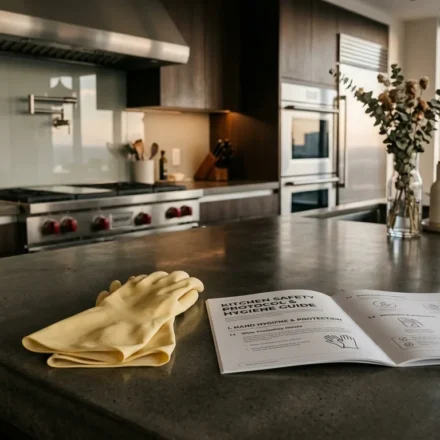
- Heavy-Duty Rubber Gloves: Essential for protecting your hands from harsh chemicals. Choose ones that extend up your forearms.
- Safety Goggles: Protect your eyes from splashes, especially when scrubbing overhead or using strong degreasers.
- Sturdy Scrub Brushes: With stiff bristles, these are indispensable for stovetop grates, burner caps, and tough spots. Look for brushes with ergonomic handles.
- Non-Scratch Scouring Pads: For cooktop surfaces. Make sure they are safe for your specific stove material (e.g., ceramic, stainless steel). Avoid abrasive pads on delicate finishes.
- Plastic Scrapers: Excellent for lifting dried, caked-on grease without scratching surfaces.
- Microfiber Cloths: Absorbent and lint-free, perfect for wiping away dissolved grease and polishing surfaces to a streak-free shine. Have several on hand.
- Spray Bottle: If you’re using a concentrated degreaser that needs dilution, a good quality spray bottle ensures even application.
Safety First, Always
When working with powerful chemicals, ventilation is non-negotiable. Open windows, turn on your kitchen exhaust fan, or use a portable fan to circulate air. Never mix different cleaning products, especially those containing ammonia and bleach, as this can create dangerous toxic fumes. For example, imagine this situation: you’ve applied an alkaline degreaser to your stovetop, and then, thinking it needs a bit more oomph, you spray a bleach-based cleaner over it. This combination can produce chloramine gas, which is extremely irritating to the respiratory system and can be dangerous. Always follow manufacturer instructions precisely. After cleaning, ensure all surfaces are thoroughly rinsed to remove any chemical residue, which can be harmful if ingested or left on food preparation areas.
Mastering the Scrub: Techniques for Stovetops and Hoods
So far we’ve covered the what and the why of degreasers and essential tools. Now let’s get to the really critical point: the how. Effective scrubbing techniques are the physical complement to your chemical degreaser, ensuring every last bit of grime is lifted. This section will guide you through the process for both your stovetop and your range hood, ensuring a comprehensive deep cleaning.
Stovetop Cleaning Techniques
Whether you have a gas or electric stovetop, the process begins with disassembling removable parts. For gas stoves, this means grates and burner caps. For electric stoves, remove drip pans and burner coils if possible. Honestly, this initial step makes a huge difference in reaching all those hidden greasy spots.
- Pre-Treat & Soak: Place grates, burner caps, and drip pans in a sink or large tub. Spray them generously with your chosen heavy-duty degreaser. For baked-on grease, allow them to soak for at least 30 minutes, or even overnight for extremely stubborn buildup.
- Cooktop Surface: While parts are soaking, spray the stovetop surface with degreaser. Let it sit for 5-15 minutes to allow the cleaner to penetrate the grease.
- Scrubbing Action:
- Grates & Burner Caps: Use your stiff-bristled brush to vigorously scrub the soaked parts. The degreaser should have softened the grease, making it easier to scrub away. Rinse thoroughly under hot water.
- Cooktop: For gas stovetops, use a plastic scraper to carefully lift any large, caked-on deposits around the burners. Then, use a non-scratch scouring pad or a brush for the remaining surface. For ceramic or induction cooktops, use a specialized cooktop scraper for hardened bits, followed by a soft scrub pad and a ceramic cooktop cleaner (many have degreasing properties) to avoid scratches.
- Rinse and Wipe: Use a damp microfiber cloth to wipe away all dissolved grease and degreaser residue. Rinse the cloth frequently. For a truly streak-free finish, follow with a clean, dry microfiber cloth.
- Reassemble: Once everything is dry and sparkling, carefully reassemble your stovetop components.
Range Hood Cleaning Techniques
The range hood often gets overlooked, yet it’s a major collection point for airborne grease. Range hood cleaning is essential for proper ventilation and preventing grease fires.
- Remove Filters: Most range hoods have metal mesh filters that are designed to trap grease. Carefully unlatch and remove these.
- Soak Filters: Fill a sink or a large bucket with hot water and a generous amount of your chosen degreaser (alkaline degreasers or even a strong dish soap like Dawn can work wonders here). Submerge the filters and let them soak for at least 30 minutes. For truly caked filters, a longer soak or even boiling them in a large pot with degreaser can be incredibly effective.
- Scrub Filters: After soaking, use a stiff brush to scrub away the loosened grease. You’ll be amazed at the amount of dark, greasy water that comes off! Rinse thoroughly under hot water until the water runs clear.
- Clean Exterior & Interior: While filters are soaking, spray the exterior and reachable interior surfaces of the range hood with degreaser. Allow it to dwell, then wipe down with a damp microfiber cloth. For stainless steel hoods, follow up with a stainless steel cleaner and polish for a brilliant, streak-free shine. Don’t forget the light covers and fan blades if accessible.
- Reinstall Filters: Ensure the filters are completely dry before re-installing them into the hood.
Maintaining a Grease-Free Zone: Prevention and Professional Insights
A deep clean is fantastic, but the real secret to a consistently clean kitchen lies in prevention and routine home maintenance. To be fair, no one wants to tackle a major grease buildup every week! Incorporating simple habits can drastically reduce the need for intensive scrubbing. In my opinion, consistency truly is key.
Daily and Weekly Habits
After each cooking session, make it a habit to wipe down your stovetop with a damp microfiber cloth and a mild dish soap solution. This prevents fresh grease splatters from hardening. Weekly, give your stovetop a more thorough wipe-down with a diluted all-purpose degreaser and check your range hood for any visible grease accumulation. Cleaning your range hood filters monthly, or more frequently if you cook often, will prevent heavy buildup and maintain optimal ventilation performance. These small, consistent efforts save significant time and effort in the long run.
When to Call the Professionals
While DIY cleaning tips are incredibly empowering, there are instances when calling in professional cleaning services is not just convenient but necessary. For extremely neglected kitchens with years of baked-on grease, professional cleaners have access to industrial-grade degreasers and equipment that can tackle the toughest jobs safely and efficiently. If your range hood ducting itself is heavily clogged with grease, a professional cleaning service specializing in kitchen exhaust systems would be the safest and most effective option to mitigate fire risks and restore proper function. They can provide a level of deep cleaning that extends beyond what most homeowners can achieve.
Conquering kitchen greasiness might seem like a daunting task, but with the right degreasers, proper tools, and effective scrubbing techniques, you can transform your stovetop and range hood from grimy to gleaming. Embrace these strategies, integrate them into your home maintenance routine, and enjoy a cleaner, safer, and more inviting kitchen environment. Your efforts will not only enhance the beauty of your home but also contribute significantly to its overall hygiene and safety. Keep it clean, keep it safe, and keep it sparkling!