






The Lingering Challenge: Why Post-Renovation Cleaning Demands a Professional Approach
You’ve invested time, money, and dreams into transforming your home. The hammers have stopped, the painters have packed up, and the new fixtures sparkle under the bare bulbs. But then you see it: a fine, insidious layer of dust that seems to defy gravity, settling everywhere. This isn’t just everyday dust; it’s a tenacious byproduct of construction, laden with plaster, drywall particles, sawdust, and sometimes even silica. A standard house cleaning simply won’t cut it. What you need is a meticulous, professional-grade deep cleaning – a strategic attack to truly reclaim your pristine space.
Table Of Content
- The Lingering Challenge: Why Post-Renovation Cleaning Demands a Professional Approach
- Essential Arsenal: Tools and Supplies for a Professional Clean
- Personal Protective Equipment (PPE) – Your First Line of Defense
- High-Powered Vacuum Cleaners – The Dust Conquerors
- Specialized Cleaning Agents and Cloths
- The Step-by-Step Professional Cleaning Protocol
- Phase 1: Rough Clean (Debris Removal)
- Phase 2: Detailed Dusting and Vacuuming
- Phase 3: Surface Cleaning and Detailing
- Phase 4: Final Touches and Inspection
- Safety First: Crucial Practices for Post-Renovation Cleaning
- When to Consider Professional Cleaning Services
Based on my experience, many homeowners underestimate the scope of post-renovation cleanup. They perform a quick sweep and wipe, only to find dust reappearing on every surface days later. This persistent dust isn’t just an aesthetic nuisance; it can pose respiratory health risks and prematurely degrade air filters if not thoroughly addressed. Achieving a truly clean, dust-free environment requires a systematic approach, specialized tools, and an understanding of how construction dust behaves. Think of it as the critical final step in your renovation journey, ensuring your beautiful new space is not only visually appealing but also healthy and ready for living.
Essential Arsenal: Tools and Supplies for a Professional Clean
To tackle post-renovation dust and debris effectively, you need more than just your usual cleaning kit. This is where the right equipment makes all the difference, transforming a daunting task into a manageable one. Investing in or renting these key tools is crucial for achieving results akin to a professional cleaning service.
Personal Protective Equipment (PPE) – Your First Line of Defense
Safety is paramount when dealing with construction dust. Fine particles can irritate eyes and lungs, and sharp debris can cause cuts. Always start by equipping yourself properly. Don a pair of sturdy work gloves, ideally with good grip, to protect your hands from scrapes and chemicals. A pair of safety glasses or goggles is non-negotiable for eye protection against airborne particles and splashes. Most importantly, an N95 respirator mask is essential to filter out fine dust particles, including potentially harmful silica, protecting your respiratory system. Honestly, cutting corners on PPE is never worth the risk.
High-Powered Vacuum Cleaners – The Dust Conquerors
Your regular household vacuum, no matter how good, often isn’t designed to handle the sheer volume and fineness of construction dust. You need power and filtration. A good quality wet/dry shop vacuum (e.g., a Stanley SL18115 or a similar model with at least 5.0 Peak HP) is excellent for picking up larger debris, screws, and even small puddles. However, for the fine dust, a vacuum equipped with a HEPA filter is critical. HEPA (High-Efficiency Particulate Air) filters capture 99.97% of airborne particles 0.3 microns in size, preventing them from being recirculated into the air. Commercial-grade canister vacuums like a Nilfisk or a high-end Miele C3 series with an added HEPA filter are stellar choices for this fine dust, providing superior suction and filtration. Look for vacuums with a high CFM (Cubic Feet per Minute) rating for powerful suction that truly lifts dust.
Specialized Cleaning Agents and Cloths
Beyond vacuums, your cleaning kit should include a generous supply of high-quality microfiber cloths. These cloths excel at trapping dust and grime, both dry and damp, without just pushing it around. Have separate piles for dry dusting and damp wiping. For cleaning solutions, opt for a pH-neutral, all-purpose cleaner that is safe for various surfaces. Many excellent eco-friendly cleaners are available that are effective yet gentle, minimizing harsh chemical exposure. A dedicated glass cleaner, a mild degreaser (if kitchen renovation occurred), and wood polish (if applicable) round out your liquids. I also recommend having a stiff-bristled scrub brush, a utility knife for cutting plastic films, and a good quality dustpan and brush set.
The Step-by-Step Professional Cleaning Protocol
A successful post-renovation clean is all about method. Rushing or skipping steps will only lead to frustration. This systematic approach ensures every speck of dust and debris is addressed, from top to bottom, guaranteeing a truly pristine finish.
Phase 1: Rough Clean (Debris Removal)
Begin by removing all large debris. This includes leftover building materials, plastic sheeting, cardboard boxes, and any significant pieces of plaster or wood. Use your wet/dry vacuum to pick up any loose, visible dust and larger particles that would clog a regular vacuum. This initial pass clears the way for the detailed work, preventing cross-contamination and making subsequent steps more efficient. Place all waste into heavy-duty garbage bags. This is your chance to get rid of the obvious mess before the real deep cleaning begins.
Phase 2: Detailed Dusting and Vacuuming
This is where the meticulous work truly starts. Always work from top to bottom to allow gravity to assist you. Begin with ceilings, ceiling fans, and light fixtures, using an extension pole with a dusting attachment or a damp microfiber cloth. Next, move to walls, wiping them down or vacuuming them using a soft brush attachment on your HEPA vacuum. Don’t forget door frames, window sills, and built-in shelving. Use the crevice tool for tight spaces and corners. For example, imagine this situation: you’ve wiped down a surface, but a few minutes later, you notice a faint haze. This is often because dust from above settled after your initial pass. So, be systematic! After dusting, vacuum all horizontal surfaces thoroughly, including inside cabinets and drawers, using your HEPA-filtered vacuum. Change your vacuum bag or empty the canister frequently to maintain suction and filtration efficiency.
Phase 3: Surface Cleaning and Detailing
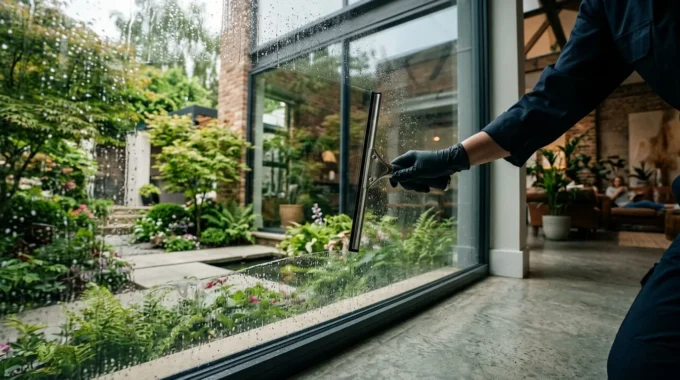
With most of the airborne dust settled and vacuumed, it’s time to clean and polish surfaces. Use damp microfiber cloths with your chosen all-purpose cleaner to wipe down all hard surfaces: countertops, cabinets (inside and out), baseboards, and doors. Rinse your cloths frequently in clean water to avoid spreading dust. For bathrooms and kitchens, pay extra attention to fixtures, sinks, and appliances, ensuring they are spotless. Windows and glass often accumulate a surprising amount of fine dust and smudges; clean them meticulously for streak-free results using a dedicated glass cleaner and clean microfiber cloths. Finally, address the floors: vacuum thoroughly with your HEPA vacuum, then follow up with a suitable mopping or scrubbing method for your specific floor type (e.g., a Bona spray mop for hardwoods, a tile cleaner for ceramic). For carpets, a thorough HEPA vacuuming may be sufficient, but professional carpet cleaning might be considered for embedded dust.
Phase 4: Final Touches and Inspection
As a final cleaning tip, once the majority of the cleaning is complete, change your HVAC air filters. These filters will have trapped a significant amount of construction dust, and replacing them ensures clean air circulation. Perform a final, light dusting of all surfaces and a quick vacuum of high-traffic areas. Then, step back and conduct a thorough inspection. Use a flashlight to check for any lingering dust on surfaces or in corners – it’s amazing what a directed light can reveal. This comprehensive home maintenance check ensures that no detail is overlooked. What would you do if you found a hidden patch of dust? You’d grab your microfiber and tackle it immediately, of course!
Safety First: Crucial Practices for Post-Renovation Cleaning
Beyond the tools and techniques, maintaining a safety-conscious mindset throughout the cleaning process is non-negotiable. Construction sites, even after the main work is done, can still present hazards.
Always wear your full PPE as discussed earlier. Ensure adequate ventilation by opening windows and doors whenever possible to help clear airborne particles, especially when using cleaning solutions. If you’re cleaning a basement or an area with limited airflow, consider using a fan to create a cross-breeze. Pay close attention to chemical safety; read all product labels, never mix cleaning chemicals unless explicitly instructed, and store them securely out of reach of children and pets. Based on my experience, rushing through safety precautions is one of the most common mistakes people make.
Finally, be mindful of ergonomics. Lifting heavy debris, bending, and reaching can strain your body. Lift with your legs, not your back, and use extension tools when possible to avoid overreaching. Take frequent breaks. A thorough post-renovation clean is a marathon, not a sprint. Prioritizing your well-being ensures you can enjoy your newly renovated home without any mishaps.
When to Consider Professional Cleaning Services
While this guide provides a comprehensive framework for tackling post-renovation cleaning yourself, there are situations where hiring professional cleaning services is not just a luxury, but a wise investment. If your renovation was extensive, involved hazardous materials (like lead paint or asbestos removal, handled by specialized professionals), or if you simply lack the time, tools, or physical capacity, professionals can be invaluable. They possess industrial-grade equipment, specialized knowledge, and trained personnel to manage large-scale dust and debris effectively and efficiently, often completing the job in a fraction of the time it would take a DIYer. Always research and choose a reputable service with experience in post-construction cleanup.
Reclaiming your home from the aftermath of renovation dust and debris requires dedication, the right tools, and a systematic approach. By following these professional cleaning tips, you empower yourself to achieve a level of cleanliness that rivals any professional service. Your beautiful, newly transformed space deserves a meticulous finish, ensuring it’s not just clean, but truly pristine and healthy for you and your family to enjoy for years to come. Embrace the final step in your renovation journey with confidence, and relish in the sparkling clean results.