






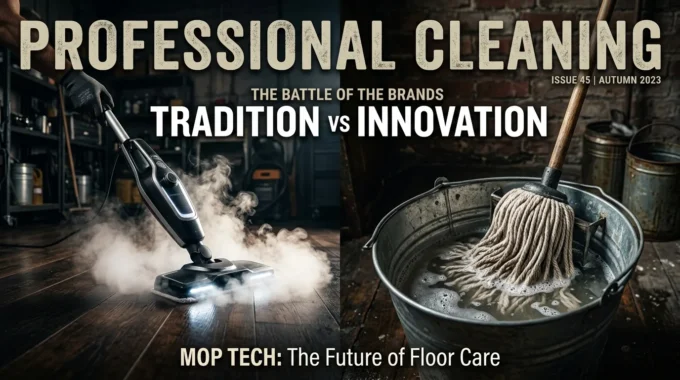
Steam Mop vs. Traditional Mop: Which is Best for Your Deep Cleaning Needs?
As a cleaning expert and home maintenance specialist, I often hear homeowners ponder the age-old question: which is better for truly clean floors – a reliable traditional mop or a high-tech steam mop? Both have their merits, and the “best” choice really depends on your home, your floor types, and your cleaning goals. Let’s dive deep into the world of floor cleaning to help you make an informed decision for your next deep cleaning session.
Table Of Content
- Steam Mop vs. Traditional Mop: Which is Best for Your Deep Cleaning Needs?
- The Traditional Mop: Tried and True Versatility
- How it Works
- Pros of Traditional Mops
- Cons of Traditional Mops
- Best For
- The Steam Mop: Modern Efficiency and Disinfection
- How it Works
- Pros of Steam Mops
- Cons of Steam Mops
- Best For
- Making Your Choice: Which is Best for Your Home’s Deep Cleaning?
- The Verdict from Clean & Cleaner
The Traditional Mop: Tried and True Versatility
The traditional mop, often accompanied by a bucket of sudsy water, has been a staple in house cleaning for generations. It relies on good old-fashioned scrubbing power and cleaning solutions to get the job done.
How it Works:
A traditional mop, whether it’s a classic string mop, a sponge mop, or a modern microfiber flat mop, uses water mixed with a cleaning solution. You dip the mop into the solution, wring out excess liquid, and manually scrub your floors.
Pros of Traditional Mops:
- Cost-Effective: Generally, traditional mops and buckets are more affordable upfront.
- Versatile Cleaning Solutions: You have the freedom to choose specific cleaning agents for different messes – from heavy-duty degreasers to gentle wood cleaners. This makes them ideal for targeted stain removal.
- Handles Heavy Messes: Excellent for tackling really sticky, caked-on dirt, large spills, or exceptionally grimy floors that require significant scrubbing and saturation.
- No Electricity Needed: Completely portable and doesn’t rely on power outlets.
- Suitable for Most Sealed Floors: With the right cleaning solution and proper wringing, they can be used on a wide variety of sealed hard floor types, including sealed hardwood, tile, linoleum, and vinyl.
Cons of Traditional Mops:
- Can Leave Floors Too Wet: If not wrung out properly, traditional mops can leave excessive moisture, which can damage certain floor types (especially unsealed wood) and prolong drying times.
- Potential for Cross-Contamination: Using the same dirty water throughout your cleaning can spread grime rather than remove it. Frequent water changes are crucial.
- Physical Effort: Requires more bending, scrubbing, and wringing, which can be physically demanding.
- Chemical Use: Relies on cleaning chemicals, which might be a concern for those with sensitivities or looking for eco-friendly cleaners.
Best For:
Homes with extremely dirty floors, large areas that need thorough scrubbing, budget-conscious users, or those who prefer specific chemical cleaning solutions for different tasks. Good examples include the O-Cedar EasyWring Spin Mop & Bucket System or a quality microfiber flat mop like the Libman Wonder Mop for general cleaning.
The Steam Mop: Modern Efficiency and Disinfection
Steam mops harness the power of heat to clean and sanitize your floors without harsh chemicals. They’ve become increasingly popular for their ease of use and hygienic benefits.
How it Works:
A steam mop heats water to a high temperature, producing steam that is then released onto a microfiber pad attached to the mop head. The hot steam penetrates and dissolves dirt, grease, and grime, while the pad traps the loosened debris. The high heat also acts as a natural disinfectant.
Pros of Steam Mops:
- Chemical-Free Disinfection: The primary advantage! Steam mops effectively kill up to 99.9% of germs and bacteria (like E. coli and Salmonella) on sealed hard floors using only water, making them excellent for a hygienic home and ideal for allergy sufferers or homes with pets and children.
- Quick Drying: Because they use minimal moisture, floors dry much faster than with traditional mopping, reducing the risk of slips and water damage.
- Eco-Friendly: Eliminates the need for chemical cleaning solutions, contributing to a greener cleaning routine. This aligns perfectly with the goals of Clean & Cleaner for sustainable home maintenance.
- Lightweight and Easy to Use: Often more maneuverable and less physically demanding than traditional mopping.
- Effective on Stubborn Grime: The heat from the steam can break down tough, greasy build-ups and dried-on spills more easily.
Cons of Steam Mops:
- Not Suitable for All Floor Types: The heat and moisture can damage unsealed hardwood, some laminates, and certain vinyl floors. Always check your floor manufacturer’s recommendations.
- Needs Electricity: Requires an outlet, limiting cordless freedom.
- Takes Time to Heat Up: There’s a short waiting period for the water to heat and steam to generate.
- Pads Need Frequent Washing: Microfiber pads get dirty quickly and need regular washing (or replacement) to maintain effectiveness and hygiene.
- Less Effective on Heavy Debris: While great for grime, steam mops are not designed to pick up large debris or excessive pet hair; floors should ideally be vacuumed or swept first.
Best For:
Homes with sealed hard floors (tile, sealed linoleum, sealed vinyl, sealed concrete) where chemical-free disinfection and quick drying are priorities. Excellent for maintaining hygiene in kitchens and bathrooms. Popular models include the Bissell PowerFresh Steam Mop and the Shark Genius Steam Pocket Mop.
Making Your Choice: Which is Best for Your Home’s Deep Cleaning?
To help you decide, consider these factors:
- Your Floor Types:
- Sealed Hardwood, Laminate, Vinyl: A traditional mop with a well-wrung microfiber head and appropriate cleaner is often safer. Some sealed laminates and vinyl can tolerate steam if used sparingly and according to manufacturer guidelines, but exercise caution.
- Tile, Sealed Concrete, Ceramic, Porcelain: Both mops work well, but a steam mop offers superior disinfection without chemicals.
- Unsealed Floors: Neither a steam mop nor a wet traditional mop is recommended. These require specialized cleaning methods.
- Your Cleaning Goals:
- Disinfection & Hygiene: A steam mop is your top choice for killing germs without chemicals.
- Heavy-Duty Scrubbing & Stain Removal: A traditional mop with a powerful cleaning solution will excel here.
- Eco-Friendly Cleaning: Steam mops are champions of chemical-free cleaning.
- Frequency of Cleaning:
- Daily/Light Cleaning: A steam mop offers quick, effective daily sanitization.
- Weekly Deep Cleaning: Both can work, depending on the floor and mess.
- Budget: Traditional mops generally have a lower initial investment.
The Verdict from Clean & Cleaner
For chemical-free disinfection, quick-drying floors, and maintaining a hygienic environment, especially for homes with kids, pets, or allergy sufferers, a steam mop is an excellent investment for sealed hard floors. For versatility, handling very heavy, caked-on messes, and a lower upfront cost, the traditional mop remains a reliable workhorse. Many cleaning enthusiasts find value in owning both for different tasks!
Remember, no matter your choice, always sweep or vacuum your floors before mopping to ensure the best results and prevent scratching. For more cleaning tips and product reviews, keep visiting cleanandcleaner.net!