






Unlock a Brighter Home with DIY Eco-Friendly Window Cleaners
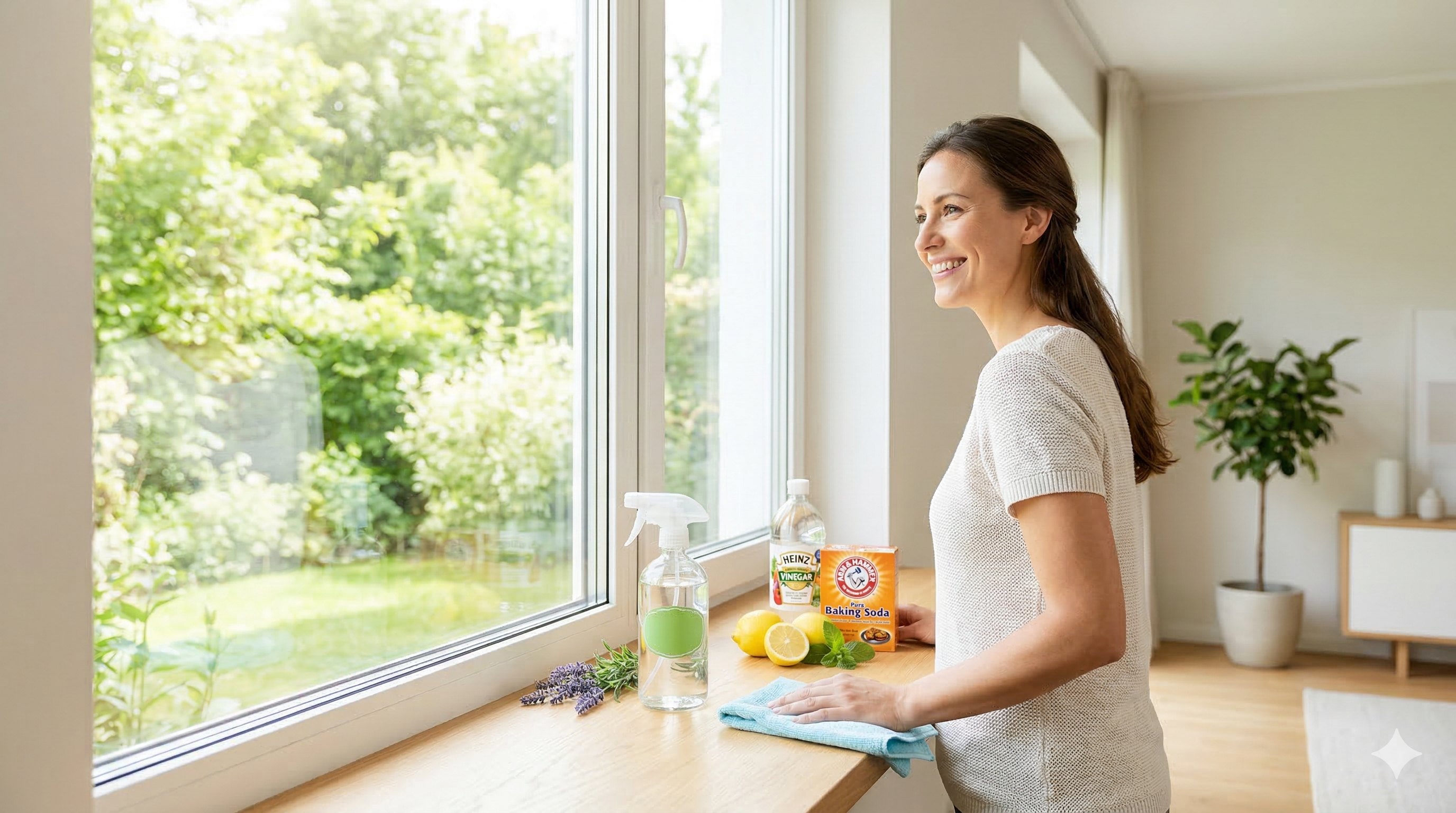
There’s nothing quite like the feeling of a home bathed in natural light, streaming through perfectly clean windows. But achieving that pristine, streak-free shine often comes with a dilemma: do you reach for harsh chemical cleaners that can impact your indoor air quality and the environment? As an experienced home maintenance specialist, I’m here to tell you that you don’t have to compromise! You can achieve a professional-level clean using simple, safe, and effective eco-friendly cleaners you probably already have in your pantry.
Table Of Content
- Unlock a Brighter Home with DIY Eco-Friendly Window Cleaners
- Essential Tools for a Perfect Window Clean
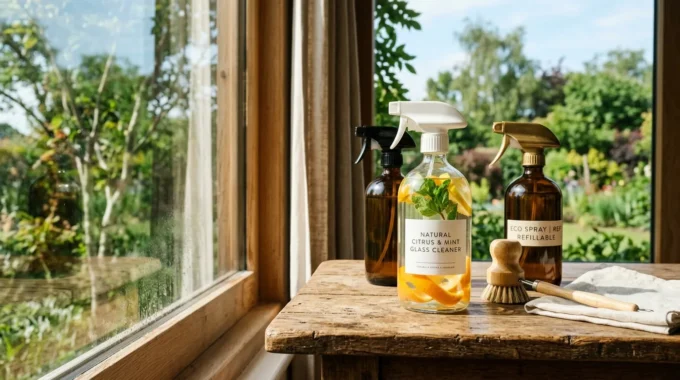
- DIY Eco-Friendly Window Cleaner Recipes
- 1. The Classic Vinegar & Water Solution (The All-Rounder)
- Ingredients
- Instructions
- 2. Vinegar, Water & Cornstarch (For Extra Shine and Tougher Grime)
- Ingredients
- Instructions
- 3. Rubbing Alcohol & Water (Quick-Drying for Fewer Streaks)
- Ingredients
- Instructions
- 4. Dish Soap & Water (For Heavily Soiled Windows)
- Ingredients
- Instructions
- Step-by-Step Application for a Streak-Free Shine
- 1. Pre-Clean the Windows
- 2. Choose Your Day Wisely
- 3. Apply the Cleaner
- 4. Scrub and Wipe
- 5. Buff to Perfection
- Maintaining Your Green Shine: Home Maintenance Tips
- Why Go Eco-Friendly?
Embracing DIY eco-friendly window cleaners is a fantastic step in your overall house cleaning routine. Not only do these solutions reduce your exposure to potentially harmful chemicals, but they also contribute to a greener planet and can save you money. Let’s dive into some tried-and-true recipes for a truly green shine!
Essential Tools for a Perfect Window Clean
Before we mix our magic potions, gather these essential tools for efficient and effective deep cleaning:
- Two Microfiber Cloths: One for applying cleaner, one for buffing dry. Microfiber is key for streak-free results.
- Squeegee (Optional, but recommended): A professional-grade squeegee (around 10-14 inches is versatile) can make quick work of larger windows. Ensure you have a clean rubber blade.
- Spray Bottle: For mixing and applying your DIY solutions.
- Bucket: For rinsing cloths or your squeegee.
- Old Towels or Drop Cloths: To protect sills and floors from drips.
- Small Brush or Vacuum with Brush Attachment: For pre-cleaning window frames and sills.
DIY Eco-Friendly Window Cleaner Recipes
1. The Classic Vinegar & Water Solution (The All-Rounder)
This is the workhorse of eco-friendly cleaners, perfect for general dirt and grime.
Ingredients:
- 1 part distilled white vinegar
- 1 part distilled water (distilled water helps prevent streaks caused by minerals in tap water)
Instructions:
- Pour both ingredients into a clean spray bottle.
- Shake gently to combine.
Why it works: Vinegar is a natural acid that cuts through grease, dissolves mineral deposits, and leaves surfaces sparkling. It also acts as a mild disinfectant.
2. Vinegar, Water & Cornstarch (For Extra Shine and Tougher Grime)
Adding cornstarch gives this solution a slight abrasive quality, helping to scrub away more stubborn residue and provide an extra polish.
Ingredients:
- 2 tablespoons distilled white vinegar
- 2 cups distilled water
- 1/2 teaspoon cornstarch
Instructions:
- Combine all ingredients in a spray bottle.
- Shake very well before each use, as cornstarch can settle.
Why it works: The cornstarch helps to break down dirt and grime, and when wiped away, it leaves a fine, invisible film that enhances shine and helps resist future streaks.
3. Rubbing Alcohol & Water (Quick-Drying for Fewer Streaks)
If you struggle with streaks, this fast-evaporating solution might be your new favorite. It’s excellent for glass that isn’t heavily soiled.
Ingredients:
- 1/4 cup rubbing alcohol (isopropyl alcohol)
- 1/4 cup distilled white vinegar (optional, for extra cleaning power)
- 2 cups distilled water
Instructions:
- Mix all ingredients in a spray bottle.
- Shake gently to combine.
Why it works: Rubbing alcohol evaporates quickly, reducing the chances of water spots and streaks, especially in humid conditions.
4. Dish Soap & Water (For Heavily Soiled Windows)
For truly grimy windows, especially after construction or a long winter, a little dish soap can work wonders. This is more of a wash than a spray.
Ingredients:
- 1/2 teaspoon eco-friendly dish soap (biodegradable, fragrance-free recommended)
- 1 gallon warm water
Instructions:
- Mix dish soap into a bucket of warm water until sudsy.
- Do not put this in a spray bottle; use a sponge or soft brush for application.
Why it works: Dish soap is a powerful degreaser and surfactant, excellent for breaking down heavy dirt, pollen, and environmental buildup.
Step-by-Step Application for a Streak-Free Shine
1. Pre-Clean the Windows
This crucial first step prevents muddy streaks. Use a brush or vacuum to remove loose dust, cobwebs, and debris from window frames, sills, and screens. If screens are very dirty, consider removing and rinsing them with water.
2. Choose Your Day Wisely
Avoid cleaning windows in direct sunlight. The sun can dry the cleaner too quickly, leading to stubborn streaks. An overcast day or when the windows are in the shade is ideal.
3. Apply the Cleaner
- For spray solutions: Spray generously onto the entire glass surface, starting from the top.
- For dish soap solution: Dip a clean sponge or a soft-bristled brush into the sudsy water and wipe down the window, ensuring full coverage.
4. Scrub and Wipe
- For spray solutions: Use your first clean microfiber cloth to wipe the window from top to bottom, using overlapping strokes.
- Using a squeegee: Start at the top corner and pull the squeegee straight down, overlapping each stroke by about an inch. Wipe the squeegee blade with a clean cloth after each pass to prevent streaks.
- For dish soap solution: Use your sponge to scrub away the grime.
5. Buff to Perfection
Immediately after wiping or squeegeeing, use your second, dry microfiber cloth to buff the glass dry, paying special attention to edges and corners. This is where the magic happens for a truly streak-free finish!
Maintaining Your Green Shine: Home Maintenance Tips
Consistent window cleaning not only keeps your home looking beautiful but also contributes to better home maintenance. Aim to clean your windows every 1-3 months, depending on your environment. If you live near a busy road or in an area with a lot of pollen, more frequent cleaning will be beneficial.
For tricky spots like hard water stains, a paste made of baking soda and a little water, gently scrubbed with a non-abrasive pad, can work wonders before applying your window cleaner.
Why Go Eco-Friendly?
Choosing eco-friendly cleaners isn’t just a trend; it’s a smart choice for your family’s health and the planet. Traditional window cleaners often contain ammonia, phthalates, and other volatile organic compounds (VOCs) that can irritate respiratory systems and contribute to air pollution. By making your own, you control the ingredients, ensuring a safe and effective clean.
You don’t need expensive, specialized products to achieve a beautifully clean home. With these simple cleaning tips and DIY solutions, you can enjoy sparkling, streak-free windows and contribute to a healthier environment. Give these recipes a try and experience the satisfaction of a naturally clean shine!
If you ever find yourself overwhelmed with large-scale cleaning projects or need specialized care, remember that professional cleaning services are always an option for a truly effortless deep clean.