Understanding the Risks: Why Cleaning Safety Matters
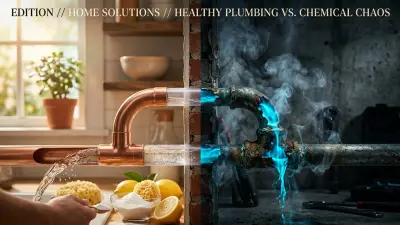
In our pursuit of a pristine home, it's easy to overlook the potential hazards lurking within our cleaning cabinets. Household cleaners, while indispensable for effective house cleaning and deep cleaning, contain potent chemicals designed to tackle grime, germs, and stubborn stains. However, these very ingredients can pose significant risks if not handled with respect and caution. From skin irritations and respiratory issues to serious chemical burns or accidental poisonings, the spectrum of potential accidents is broad and concerning.
Every year, emergency rooms treat thousands of individuals for injuries related to household cleaning products. These incidents are often preventable, stemming from a lack of awareness or a moment of carelessness. As your trusted cleaning expert at Clean & Cleaner, I believe that understanding these risks is the first critical step toward creating a safer cleaning environment for everyone in your household, including children and pets. Prioritizing safety isn't just about avoiding an immediate accident; it's an integral part of responsible home maintenance that protects long-term health and well-being.

Decoding Labels and Proper Product Selection
Before you even open a bottle, the journey to cleaning safety begins with the label. It's not just a list of ingredients; it's a critical safety manual provided by the manufacturer. Look for signal words like DANGER (indicating severe hazards), WARNING (moderate hazards), or CAUTION (minor hazards). These terms immediately alert you to the product's potential harm and the level of care required. Always read the instructions thoroughly, paying close attention to dilution ratios, application methods, and recommended personal protective equipment (PPE).
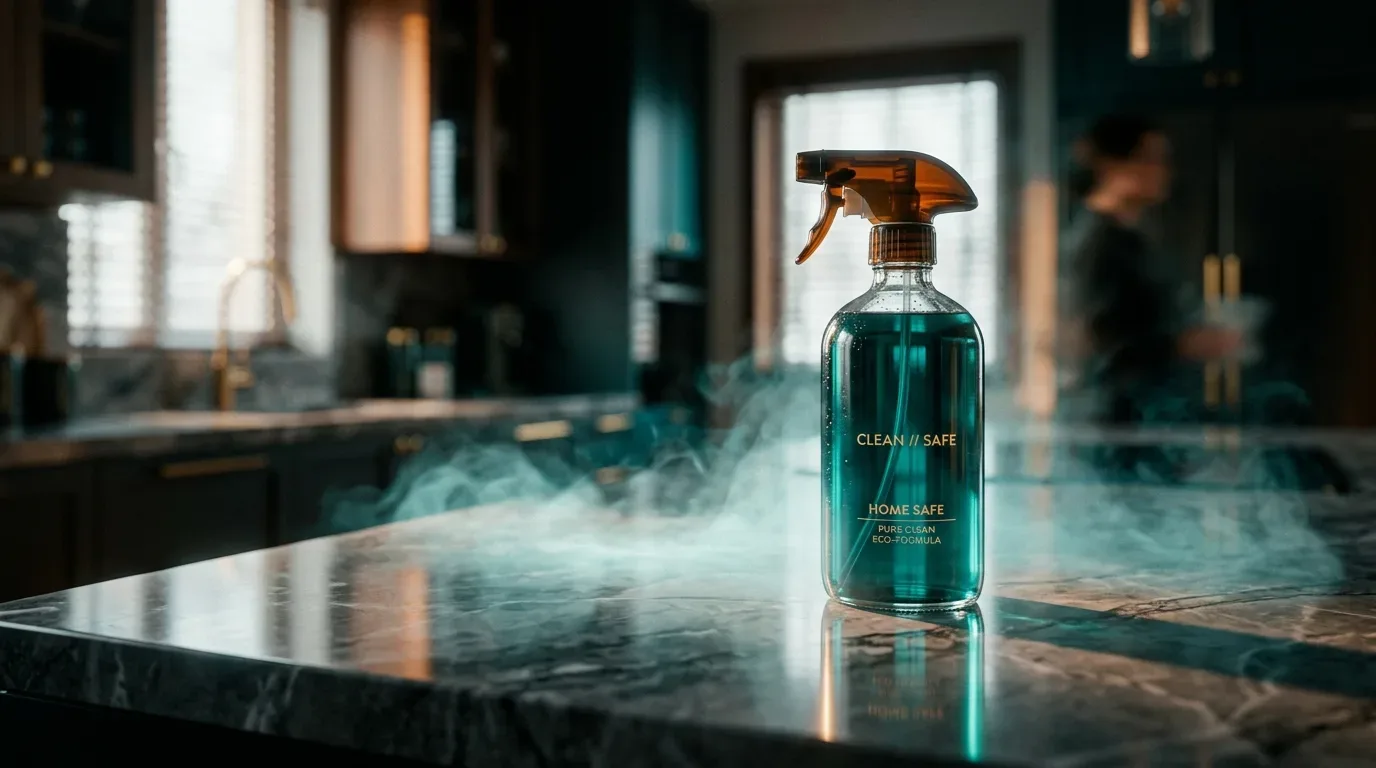
Understanding the active ingredients is also paramount. Products containing ammonia, bleach (sodium hypochlorite), lye (sodium hydroxide), or strong acids are highly effective but demand extra vigilance. For instance, an oven cleaner with lye can cause severe chemical burns if it contacts skin. When selecting products, consider the task at hand. Do you need a heavy-duty degreaser, or will a milder, perhaps even an eco-friendly cleaner, suffice? Many modern cleaning tips now advocate for greener alternatives that are often just as effective for routine tasks but significantly reduce chemical exposure. Honestly, if a natural alternative can do the job, it’s usually my first recommendation.
Choosing Wisely: Acidic vs. Alkaline Cleaners
Cleaners typically fall into two categories: acidic or alkaline. Acidic cleaners (like toilet bowl cleaners or rust removers, often containing hydrochloric or citric acid) are excellent for mineral deposits and soap scum. Alkaline cleaners (such as oven cleaners or drain openers, often containing lye or ammonia) excel at breaking down grease and organic matter. It’s crucial never to mix these types of cleaners, or even different brands of the same type, without explicit instructions, as dangerous chemical reactions can occur. I've seen firsthand how a simple oversight can lead to serious consequences.
Essential Safety Practices During Cleaning
Now that we've covered selecting products safely, let's get to the really critical point: what to do when you're actively cleaning. Proper execution of your cleaning routine is where most accidents are prevented. First and foremost, ensure adequate ventilation. Open windows, turn on exhaust fans, or even use portable fans to circulate fresh air. Concentrated fumes can quickly irritate respiratory passages, causing dizziness, nausea, or more severe reactions.
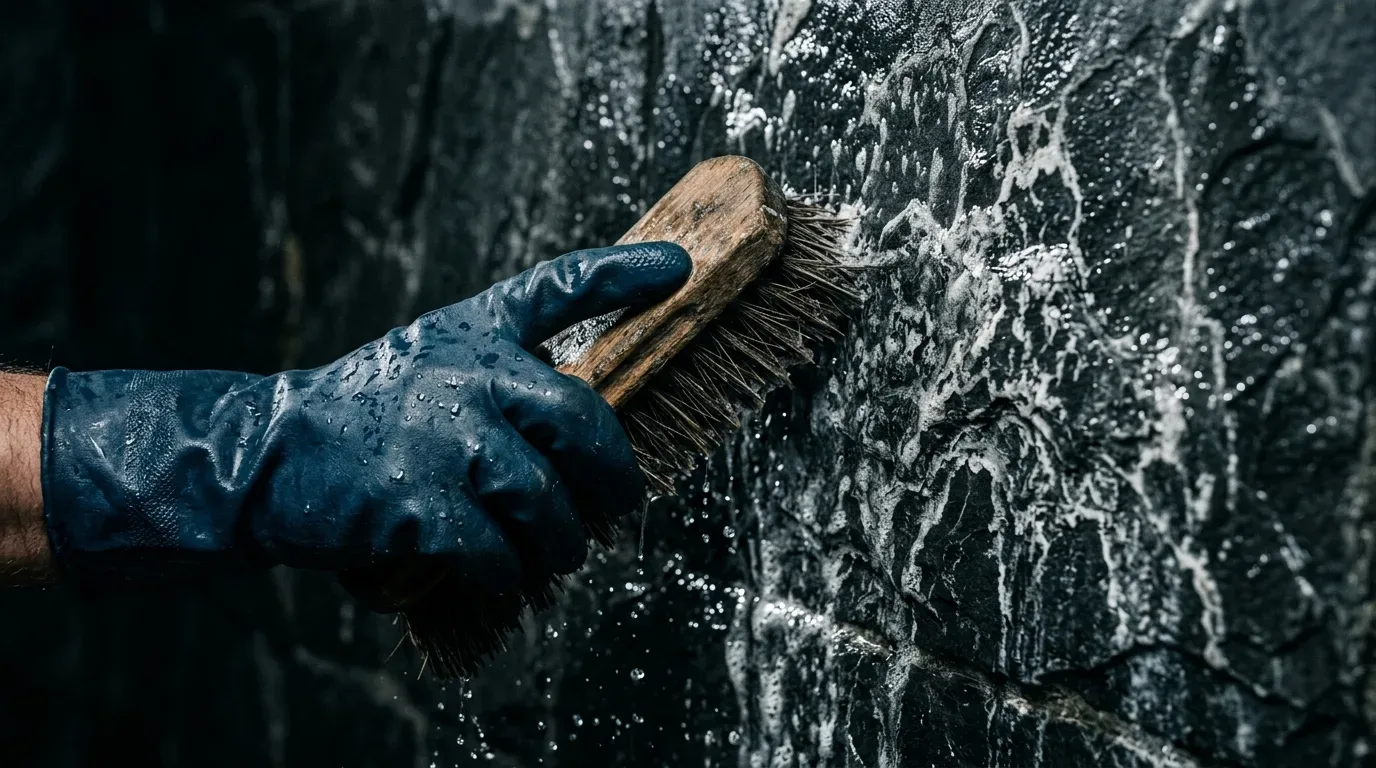
Personal Protective Equipment (PPE) is non-negotiable for many cleaning tasks. At a minimum, always wear chemical-resistant gloves. Nitrile or neoprene gloves offer better protection than standard latex, especially when dealing with stronger solutions. For tasks involving spraying or potential splashing, eye protection—safety glasses or goggles—is essential. Imagine this situation: you're scrubbing a shower with a strong mildew remover, and a splash unexpectedly hits your eye. Without goggles, you could be facing a trip to the emergency room. For highly volatile products, an N95 respirator mask can protect your lungs from inhaling harmful vapors. Based on my experience, investing in good quality PPE is one of the smartest decisions you can make for your safety.
The Golden Rule: Never Mix Cleaners
This is perhaps the most important safety rule in house cleaning: never, ever mix different cleaning products, particularly bleach and ammonia. The combination of bleach and ammonia (found in many glass cleaners, all-purpose cleaners, and even some urine-based pet stain removers) creates chloramine gas, a highly toxic substance that can cause severe respiratory damage, chemical burns, and even death. Similarly, mixing bleach with acidic cleaners (like toilet bowl cleaner or rust remover) produces chlorine gas, another deadly chemical. Stick to one product for one task, and always rinse surfaces thoroughly before applying a different cleaner.
When diluting concentrated cleaners, always add the cleaner to water, not water to the cleaner. This minimizes splashing and potential exposure to the undiluted chemical. Use the measurement tools provided or specified by the manufacturer; guessing can lead to ineffective cleaning or, worse, dangerous concentrations. Always keep products in their original, labeled containers. Transferring them to unmarked bottles is a common cause of accidental ingestion, especially with children. To be fair, it’s an easy mistake to make when you’re in a hurry, but one with severe consequences.
Safe Storage and Disposal: Keeping Cleaners Out of Harm's Way
Effective home maintenance extends beyond the act of cleaning to how you store your products. Incorrect storage is a leading cause of accidental poisonings. All household cleaners, especially those with strong chemicals, must be stored securely and out of reach of children and pets. This means using child-proof locks on cabinets, placing products on high shelves, or utilizing locked utility closets. Never store cleaners on the floor or in easily accessible lower cabinets.
Maintain products in their original containers with their labels intact. This ensures you always know what you're dealing with and can refer to safety instructions if needed. The original container also protects the product's integrity and prevents degradation. Store cleaners in a cool, dry place, away from direct sunlight, heat sources, and extreme temperatures, which can compromise their stability or cause containers to leak. For example, aerosol cans stored in a hot garage can build up pressure and potentially explode. Proper storage is a simple but incredibly impactful cleaning tip that prevents countless accidents.
Responsible Disposal
When a cleaner is empty or expired, proper disposal is crucial. Never pour hazardous chemicals down the drain, as they can contaminate waterways and damage plumbing systems. Check your local municipality's guidelines for disposing of hazardous household waste. Many communities have specific collection days or facilities for these items. For empty, rinsed containers, follow local recycling instructions. Responsible disposal is not just about safety in your home; it's about protecting our environment.
First Aid and Emergency Preparedness
Despite our best efforts, accidents can still happen. Being prepared for an emergency is a critical aspect of cleaning safety. Have the number for your regional Poison Control Center (in the U.S., 1-800-222-1222) readily available—programmed into your phone and posted visibly. This immediate access can be life-saving. Also, ensure your home's first aid kit is well-stocked with essentials like sterile bandages, antiseptic wipes, and eyewash solution.
But what would you do in this situation if an accident occurred? If chemicals come into contact with skin, immediately rinse the affected area with plenty of cool water for at least 15-20 minutes. Remove any contaminated clothing. For eye contact, flush the eyes with copious amounts of water for the same duration, keeping the eyelids open. In cases of ingestion, do not induce vomiting unless specifically instructed by Poison Control or a medical professional. If fumes are inhaled, move to fresh air immediately. Seek medical attention promptly for any serious exposure, burn, or persistent symptoms. Sometimes, particularly with severe chemical spills or hazardous cleanups, it’s best to call in professional cleaning services who are equipped and trained to handle such situations safely.
Keeping your home clean should never come at the cost of your safety or the safety of your loved ones. By adopting these fundamental cleaning tips and adhering to strict safety protocols, you transform potentially hazardous tasks into manageable routines. Remember, knowledge and vigilance are your most potent cleaning tools. Stay informed, stay prepared, and keep your home sparkling safely. For more detailed guides on specific cleaning techniques and product reviews, keep an eye on Clean & Cleaner – your ultimate resource for a healthier, safer home.