






How to Deep Clean Your Carpets at Home: A Step-by-Step Professional Method
As a seasoned cleaning expert and home maintenance specialist, I know the secret to a truly fresh and inviting home often lies beneath your feet: your carpets! Over time, carpets accumulate dirt, allergens, pet dander, and odors that regular vacuuming simply can’t reach. That’s where a professional deep cleaning comes in. But you don’t always need to hire someone; with the right approach, you can achieve remarkable results right at home. This guide will walk you through a step-by-step professional method for deep cleaning your carpets, ensuring a hygienic and vibrant living space.
Table Of Content
- Why Deep Clean Your Carpets?
- Gather Your Arsenal: Essential Tools & Supplies
- Your Step-by-Step Deep Cleaning Process
- Step 1: Prepare the Area
- Step 2: Pre-Treat Stains and High-Traffic Areas
- Step 3: Prepare Your Carpet Cleaning Machine
- Step 4: Start Cleaning
- Step 5: Rinse (Optional but Recommended)
- Step 6: Post-Cleaning Care & Drying
- Safety First! Important Considerations
- Maintaining Your Freshly Cleaned Carpet
Why Deep Clean Your Carpets?
Beyond aesthetics, deep cleaning your carpets offers several crucial benefits for your home and health:
- Improved Air Quality: It removes trapped allergens, dust mites, and pet dander, which can significantly improve indoor air quality, especially for allergy sufferers.
- Eliminates Odors: Deep cleaning flushes out odor-causing bacteria and embedded grime, leaving your home smelling fresh.
- Extends Carpet Lifespan: Regular deep cleaning prevents abrasive dirt particles from cutting into carpet fibers, prolonging their life and maintaining their appearance.
- Restores Appearance: It revives faded colors and lifts matted pile, making your carpets look almost new again.
Gather Your Arsenal: Essential Tools & Supplies
Before you begin your deep cleaning journey, having the right tools is paramount. Think of this as preparing for a professional job!
- High-Quality Vacuum Cleaner: An upright or canister vacuum with strong suction and a HEPA filter is ideal for removing surface dirt and allergens. Models with brush rolls are excellent for agitating carpet fibers.
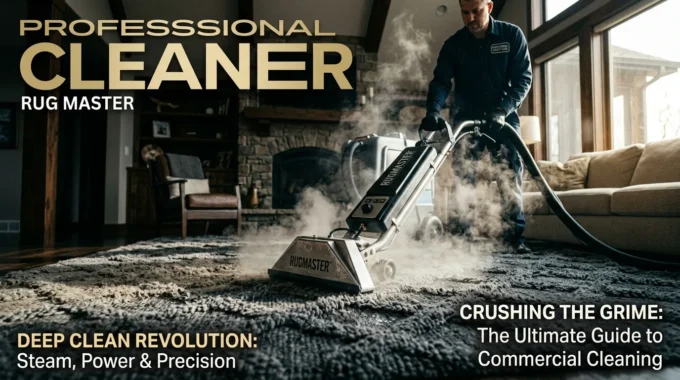
- Carpet Cleaning Machine (Hot Water Extractor): Often referred to as a “steam cleaner,” a hot water extractor sprays a solution onto the carpet and immediately sucks it back up, along with the loosened dirt. You can rent these from hardware stores or purchase a home-use model. Brands like Bissell, Rug Doctor, or Hoover offer popular options.
- Carpet Cleaning Solution: Choose a formula appropriate for your carpet type. Many brands offer specialized solutions for pet stains, high-traffic areas, or general cleaning. Consider eco-friendly cleaners that are biodegradable and free from harsh chemicals for a safer home environment.
- Pre-Treatment Spray/Spot Cleaner: Essential for tackling stubborn stains and heavily soiled areas before the main clean. Enzyme-based cleaners are excellent for pet accidents as they break down organic matter.
- Stiff-Bristled Brush (Optional): For gently agitating pre-treated areas. Ensure it’s not too harsh for your carpet fibers.
- Clean Towels/Microfiber Cloths: For blotting up excess moisture or spot cleaning.
- Fans or Dehumidifier: Crucial for speeding up drying time and preventing mold and mildew growth.
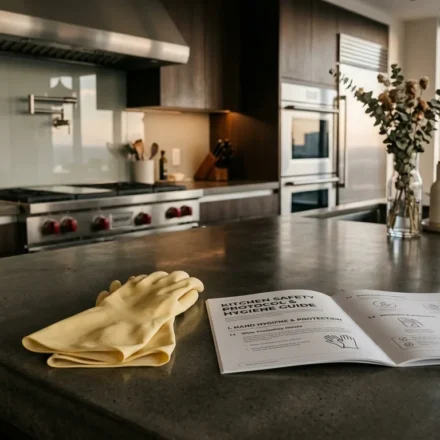
- Safety Gear: Gloves to protect your hands from cleaning solutions, and a mask if you’re sensitive to dust or fumes.
Your Step-by-Step Deep Cleaning Process
Step 1: Prepare the Area
- Clear Furniture: Remove all furniture from the carpeted area. If you can’t move everything, place plastic protectors or aluminum foil under furniture legs to prevent rust or wood stains from moisture.
- Vacuum Thoroughly: This is a critical first step. Use your high-quality vacuum cleaner to remove as much loose dirt, dust, and debris as possible. Go slowly, making multiple passes in different directions (e.g., north-south, then east-west) to lift embedded dirt. Pay extra attention to edges and corners.
Step 2: Pre-Treat Stains and High-Traffic Areas
Spot treatment is key to professional results. Spray your pre-treatment solution directly onto visible stains, pet accidents, and heavily soiled areas like hallways or doorways. Allow the solution to dwell (sit) for the time recommended by the product manufacturer, usually 5-15 minutes. This allows the cleaner to break down the grime. For stubborn spots, you can gently agitate with a soft brush.
Step 3: Prepare Your Carpet Cleaning Machine
Fill the clean water tank of your carpet cleaner with hot tap water (not boiling, as this can damage some machines or carpet fibers). Add the recommended amount of carpet cleaning solution to the solution tank, following the manufacturer’s instructions carefully. Too much solution can leave a sticky residue; too little won’t clean effectively.
Step 4: Start Cleaning
Work in small, manageable sections, about 3×3 feet, and always work your way backward from the furthest point in the room towards the exit to avoid walking on wet carpet.
- Apply Solution: Slowly push the machine forward over a section, pressing the trigger to release the cleaning solution.
- Extract Water: Release the trigger and slowly pull the machine backward over the same path. This extracts the dirty water. Overlap your passes slightly (by about an inch) to ensure full coverage.
- Don’t Over-Wet: Avoid saturating the carpet. One pass with solution and one or two passes for extraction should be sufficient.
Step 5: Rinse (Optional but Recommended)
To prevent detergent residue, which can attract dirt and cause your carpet to resoil faster, consider an extra rinse cycle. Empty the dirty water tank, refill the clean water tank with plain hot water (no solution), and repeat the extraction process (pulling passes only) over the entire carpet. This helps to flush out any remaining cleaning solution.
Step 6: Post-Cleaning Care & Drying
Proper drying is crucial to prevent mold, mildew, and lingering odors.
- Blot Excess Water: Use clean, dry towels or microfiber cloths to blot any visible standing water.
- Speed Up Drying: Open windows, turn on ceiling fans, and use portable fans or a dehumidifier to circulate air. The goal is to dry the carpet as quickly as possible, ideally within 6-12 hours.
- Avoid Walking: Try to avoid walking on the carpet until it is completely dry to prevent re-soiling and matting. If you must walk on it, wear clean socks.
- Fluff the Pile: Once dry, give your carpet a final vacuum to fluff up the pile and remove any loosened dirt that may have surfaced during drying.
Safety First! Important Considerations
- Ventilation: Always ensure good ventilation by opening windows and doors.
- Test Cleaners: Before applying any cleaning solution, test it on an inconspicuous area of your carpet to ensure it doesn’t cause discoloration or damage.
- Electrical Safety: Keep electrical cords and the carpet cleaner away from standing water.
- Don’t Over-Wet: Excessive moisture can lead to mold and mildew, and can damage your subfloor.
Maintaining Your Freshly Cleaned Carpet
Now that your carpets are spotless, maintaining them is easier than ever!
- Regular Vacuuming: Vacuum at least once or twice a week to pick up surface dirt before it settles deep into the fibers.
- Immediate Spot Cleaning: Address spills and stains immediately. The quicker you act, the easier they are to remove.
- Use Entry Mats: Place mats at all entrances to trap dirt and moisture before it reaches your carpets.
- Consider Professional Services: While DIY deep cleaning is effective, consider hiring professional cleaning services every 12-18 months for an even deeper, more thorough clean, especially if you have pets or high foot traffic.
Deep cleaning your carpets at home is a rewarding task that contributes significantly to overall house cleaning and home maintenance. By following these professional cleaning tips, you’ll not only enhance the beauty of your home but also create a healthier living environment. For all your cleaning product needs and more expert advice, remember to visit Clean & Cleaner!