






Beyond Robotics: The Indispensable Value of Manual Pool Cleaning
While robotic pool cleaners have undoubtedly revolutionized convenience for many homeowners, relying solely on automation often leaves your pool just “clean enough.” For truly crystal clear water, a pristine swimming experience, and comprehensive home maintenance of your aquatic oasis, manual cleaning techniques remain absolutely indispensable. Robots are fantastic for daily debris, but they simply cannot replicate the precision, thoroughness, and attention to detail that a dedicated manual effort provides. Think of it this way: your automatic car wash gets the job done, but nothing beats a hand wash and wax for a truly sparkling finish. The same principle applies to your pool. This guide will walk you through the essential manual methods that ensure your pool isn’t just clean, but impeccably so.
Table Of Content
- Beyond Robotics: The Indispensable Value of Manual Pool Cleaning
- The Foundation: Essential Tools for Manual Pool Cleaning Mastery
- The Right Reach: Poles and Skimmer Nets
- Brushes: Your First Line of Defense Against Algae
- Manual Vacuum Heads and Hoses
- Mastering the Manual Cleaning Techniques for Impeccable Results
- Skimming and Brushing: The Daily Ritual and Weekly Scrub
- Manual Vacuuming: The Art of Precision Cleaning
- Beyond the Basics: Water Chemistry and Filter Maintenance Synergy
- The Role of Water Chemistry
- Filter Maintenance: Your Pool’s Lungs
- Safety First: Protecting Yourself and Your Investment
- Chemical Handling Safety
- Electrical Safety
- Tool Storage and Maintenance
- Conclusion: The Reward of Diligent Manual Care
The Foundation: Essential Tools for Manual Pool Cleaning Mastery
Before we dive into the techniques, let’s ensure you’re equipped with the right arsenal. Having the correct tools makes all the difference in efficiency and effectiveness. Honestly, skimping on quality here only leads to frustration and subpar results.
The Right Reach: Poles and Skimmer Nets
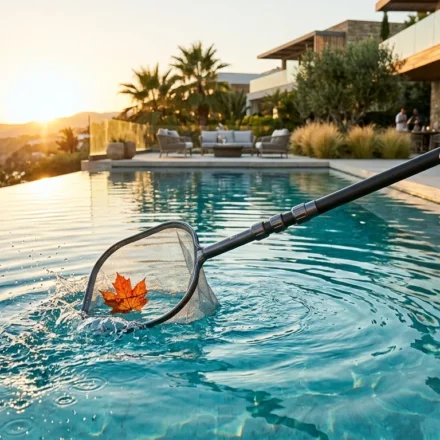
A good telescopic pole is your backbone. Opt for a sturdy, anodized aluminum pole that extends easily and locks securely. For skimmer nets, you’ll want two types: a flat leaf skimmer for surface debris and a deep-bag rake for collecting heavier items from the bottom or large leaf piles. The deep-bag rake is especially useful after a storm. For example, imagine this situation: a sudden summer storm leaves your pool covered in leaves and small branches. A flat skimmer would quickly overflow, but a deep-bag rake allows you to scoop up a significant amount of debris in one go, saving you considerable time and effort.
Brushes: Your First Line of Defense Against Algae
Brushing is critical for dislodging algae and dirt before they can take hold. You’ll primarily encounter three types:
- Nylon Bristle Brushes: Ideal for most vinyl, fiberglass, and painted concrete pools. They are gentle yet effective for routine scrubbing.
- Stainless Steel Wire Brushes: Reserved for plaster or gunite pools only. These are much stiffer and can scratch softer surfaces, but they are excellent for tackling stubborn algae on robust finishes.
- Combo Brushes: A mix of nylon and steel, designed for specific applications, often suitable for plaster pools with some vinyl components. Always check your pool surface material before using a wire brush.
Based on my experience, regular, gentle brushing, even when the pool looks clean, dramatically reduces the need for aggressive treatments later. It’s a proactive measure that pays dividends.
Manual Vacuum Heads and Hoses
This is where the real deep cleaning happens. You’ll need a weighted vacuum head, a vacuum hose, and a vacuum plate (or skimmer adapter).
- Vacuum Heads:
- Weighted Flex Heads: Best for vinyl-lined pools, they conform to the pool’s contours.
- Weighted Wheel Heads: Great for concrete or gunite pools, allowing for smooth gliding.
- Vacuum Hoses: Choose a high-quality, crush-resistant hose that’s long enough to reach all areas of your pool without stretching. A standard 1.5-inch diameter hose is common.
A good quality hose and head ensure maximum suction and ease of movement, transforming a potentially tedious chore into a manageable home maintenance task.
Mastering the Manual Cleaning Techniques for Impeccable Results
Now that you have your tools, let’s get to the actionable steps that will transform your pool.
Skimming and Brushing: The Daily Ritual and Weekly Scrub
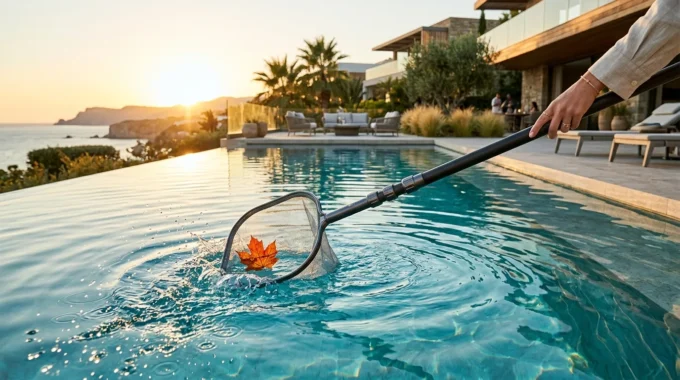
Daily Skimming: Begin by skimming the surface of your pool daily, or even twice a day, using your flat leaf skimmer. This prevents leaves, bugs, and other debris from sinking and breaking down, which can stain surfaces and impact water chemistry. Consistency here is key.
Weekly Brushing: Dedicate 10-15 minutes once a week to brush your pool walls, steps, and floor. Start from the shallow end and work your way towards the deep end. Brush downward from the waterline, pushing debris towards the main drain or into areas where your skimmer can catch it. Pay special attention to corners, crevices, and areas with poor circulation, as these are prime spots for algae growth. This regular deep cleaning action prevents unsightly buildup.
Manual Vacuuming: The Art of Precision Cleaning
Manual vacuuming is truly where you surpass the capabilities of most robotic cleaners, especially when dealing with fine silt, dirt pockets, or specific areas of concern. But what would you do if your robotic cleaner missed a stubborn patch of fine sand at the bottom? That’s where manual vacuuming shines.
- Assemble and Connect: Attach your vacuum head to the telescopic pole, then connect the vacuum hose to the head.
- Prime the Hose: This is crucial. Submerge the vacuum head and hose into the pool, allowing water to fill the hose completely, pushing out all the air. You’ll see bubbles stop rising from the hose. Alternatively, hold the free end of the hose over a return jet until water flows out.
- Connect to Skimmer: Once primed, quickly plug the free end of the hose into the dedicated vacuum port in your skimmer basket or use a vacuum plate over the skimmer basket. Ensure your pump is running on its filter setting.
- Vacuuming Technique: Start at the shallow end. Use slow, deliberate, overlapping strokes, similar to mowing a lawn. Avoid quick, jerky movements, as this can stir up debris, making the water cloudy and requiring you to wait for it to resettle. Work your way towards the deep end, systematically covering every inch of the pool floor. If the water starts to cloud significantly, stop, let the debris settle, and then resume.
- Finishing Up: Once done, disconnect the hose, remove the vacuum plate, and clean your skimmer and pump baskets immediately, as they will be full of collected debris. Backwash your filter if you have a sand or DE filter, or clean your cartridge filter, especially after heavy vacuuming.
Beyond the Basics: Water Chemistry and Filter Maintenance Synergy
Manual cleaning is incredibly effective, but it’s only one piece of the puzzle. For truly clean and healthy water, it must work in harmony with proper water chemistry and efficient filtration. You can vacuum all day, but if your pH is off or your filter is clogged, you’re fighting an uphill battle.
The Role of Water Chemistry
Maintaining balanced water chemistry (pH, alkalinity, calcium hardness, and sanitizer levels) prevents algae growth, protects pool surfaces and equipment, and ensures the effectiveness of your sanitizer. Regular testing with a reliable test kit is non-negotiable. If your pH is too high, for instance, your chlorine won’t be as effective, making your manual cleaning efforts less impactful. I believe this synergy is often overlooked by beginners; they focus on visible dirt but forget the invisible battle against pathogens and imbalances.
Filter Maintenance: Your Pool’s Lungs
Your filter removes microscopic particles that manual cleaning can’t.
- Sand Filters: Backwash regularly (typically when pressure gauge reads 8-10 psi above clean pressure).
- Cartridge Filters: Remove and rinse cartridges thoroughly with a hose, typically every 4-6 weeks, and chemically clean them annually to remove oils and scale.
- Diatomaceous Earth (DE) Filters: Backwash and re-coat with fresh DE powder when pressure rises. A full tear-down and cleaning of the grids are needed periodically.
A clean filter means efficient filtration, which means less manual effort to combat cloudy water or green outbreaks. Neglecting this aspect of home maintenance is a common mistake I see, leading to frustration and increased chemical usage.
Safety First: Protecting Yourself and Your Investment
No discussion about pool cleaning would be complete without emphasizing safety. Your well-being and the longevity of your pool equipment are paramount.
Chemical Handling Safety
Always wear appropriate personal protective equipment (PPE) when handling pool chemicals, including chemical-resistant gloves and eye protection. Never mix different pool chemicals, especially chlorine with anything else, as this can create dangerous gases. Store chemicals in a cool, dry, well-ventilated area, securely labeled and out of reach of children and pets. Honestly, a moment of carelessness with chemicals can have severe consequences, so read labels carefully and follow instructions precisely.
Electrical Safety
Water and electricity are a dangerous combination. Ensure all electrical outlets near your pool are GFCI (Ground Fault Circuit Interrupter) protected. Never operate electrical equipment with wet hands or while standing in water. Regularly inspect pump cords and other electrical components for fraying or damage. If you notice any issues, call a qualified electrician immediately.
Tool Storage and Maintenance
Properly store your manual cleaning tools. Rinse them thoroughly with fresh water after each use to remove pool chemicals and prevent degradation. Hang brushes and nets to dry. Store vacuum hoses coiled in a cool, shaded area to prevent kinking and UV damage. This simple maintenance routine extends the life of your equipment and ensures they are ready for the next cleaning session.
Conclusion: The Reward of Diligent Manual Care
While robotics offer convenience, the path to truly pristine, crystal clear water and a healthier swimming environment lies in diligent manual pool cleaning. By understanding your tools, mastering the techniques of skimming, brushing, and vacuuming, and maintaining a keen eye on water chemistry and filter health, you not only ensure aesthetic appeal but also contribute significantly to the longevity of your pool. It’s an investment of time, yes, but one that rewards you with an inviting, sparkling oasis that truly stands out. Embrace these cleaning tips, and you’ll find immense satisfaction in a pool that’s not just clean, but immaculately cared for. Take the plunge into manual cleaning – your pool (and your eyes) will thank you!