






Carpet Cleaning FAQs: Your Top Questions Answered for a Fresher Home
Welcome to Clean & Cleaner! As your trusted cleaning expert, I know that carpets are a significant investment in your home, adding warmth, comfort, and style. But they also bear the brunt of daily life – spills, dirt, pet dander, and allergens. Keeping them clean isn’t just about aesthetics; it’s crucial for home maintenance, indoor air quality, and the longevity of your flooring. If you’ve ever wondered how often to clean your carpets, what methods are best, or when to call in the pros, you’re in the right place. Let’s dive into your most pressing carpet cleaning questions!
Table Of Content
- Carpet Cleaning FAQs: Your Top Questions Answered for a Fresher Home
- Why is Regular Carpet Cleaning So Important?
- How Often Should I Clean My Carpets? (Frequency)
- Vacuuming Frequency
- Deep Cleaning Frequency
- What Are the Best Carpet Cleaning Methods?
- Hot Water Extraction (Often Called “Steam Cleaning”)
- Dry Carpet Cleaning
- Carpet Shampooing
- Bonnet Cleaning
- Choosing the Right Method for You
- DIY Carpet Cleaning vs. Professional Services
- DIY Tools and Techniques
- Essential Carpet Maintenance Tips Between Deep Cleans
- Avoiding Common Carpet Cleaning Mistakes
- When to Call in the Carpet Cleaning Pros
Why is Regular Carpet Cleaning So Important?
Beyond looking good, clean carpets contribute significantly to a healthy living environment. Carpets act like giant filters, trapping dust, pollen, pet dander, and other allergens. Without regular cleaning, these particles build up, can become airborne, and affect indoor air quality, potentially triggering allergies and asthma. Regular house cleaning that includes proper carpet care also extends the life of your carpets by removing abrasive dirt particles that can wear down fibers over time.
How Often Should I Clean My Carpets? (Frequency)
Vacuuming Frequency
This is your first line of defense! The frequency depends on foot traffic, pets, and household members.
- High-traffic areas (hallways, living rooms): Daily or every other day.
- Moderate-traffic areas (bedrooms): Twice a week.
- Low-traffic areas (guest rooms): Once a week or every two weeks.
For best results, use a quality vacuum cleaner with strong suction and a rotating brush, such as an upright or canister vacuum designed for carpets.
Deep Cleaning Frequency
For a thorough deep cleaning, most manufacturers and cleaning professionals recommend the following:
- General households (no pets/children): Every 12-18 months.
- Households with pets, children, or allergy sufferers: Every 6-12 months.
- High-traffic commercial spaces: Quarterly or bi-annually.
What Are the Best Carpet Cleaning Methods?
There are several effective methods for deep cleaning carpets, each with its pros and cons:
Hot Water Extraction (Often Called “Steam Cleaning”)
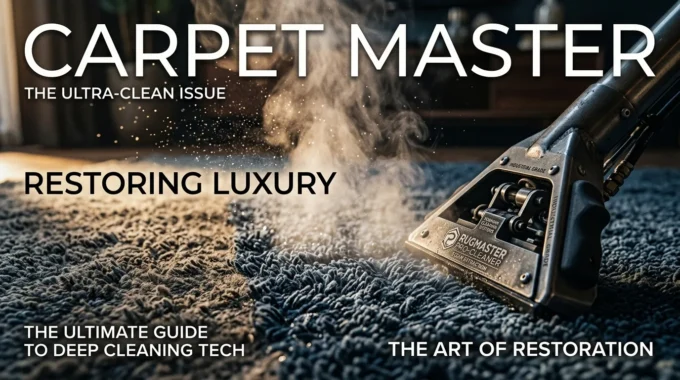
This is the most recommended method by carpet manufacturers. It involves injecting hot water and a cleaning solution deep into the carpet fibers at high pressure, then immediately extracting it along with dirt and grime. Technical note: While commonly called “steam cleaning,” it primarily uses hot water, not true steam, to avoid damaging carpet backings. This method offers excellent deep cleaning and rinsing.
Dry Carpet Cleaning
This method uses specialized cleaning compounds or powders that are sprinkled onto the carpet, agitated into the fibers, and then vacuumed up. The compounds absorb dirt and grime. It’s ideal for delicate carpets or situations where minimal drying time is critical, as it uses very little to no water.
Carpet Shampooing
Older and less common today, shampooing involves applying a foamy detergent to the carpet, scrubbing it with a rotary brush, and then vacuuming up the dried foam. The main drawback is that it can leave behind sticky residue if not thoroughly rinsed, which can attract dirt.
Bonnet Cleaning
Often used for commercial properties due to quick drying times, bonnet cleaning involves a rotary machine with an absorbent, spin-on pad (the “bonnet”) that is presoaked in a cleaning solution. The bonnet spins over the carpet surface, absorbing dirt from the top fibers. It’s a good interim cleaning method but doesn’t offer the deep cleaning of hot water extraction.
Choosing the Right Method for You
For most homeowners, hot water extraction is the gold standard for thorough deep cleaning. For quick touch-ups or specific carpet types, dry cleaning can be a great alternative.
DIY Carpet Cleaning vs. Professional Services
You have options when it comes to carpet cleaning!
DIY Tools and Techniques
- Spot Cleaners: For small spills and stains, a portable spot cleaner (like a Bissell SpotClean) or an enzyme-based eco-friendly cleaner is invaluable. Always blot, don’t rub!
- Rental Machines: You can rent hot water extractors from many grocery or hardware stores. These are good for surface-level cleaning but often lack the power and heat of professional equipment.
- Purchased Home Carpet Cleaners: Brands like Rug Doctor or Hoover offer excellent home models for regular maintenance between professional cleanings. They’re more powerful than rentals but still typically less so than commercial units.
Cleaning tips: When DIY deep cleaning, always pre-treat heavily soiled areas, avoid over-wetting the carpet, and ensure thorough drying to prevent mold or mildew.
Essential Carpet Maintenance Tips Between Deep Cleans
Keeping your carpets looking their best is an ongoing commitment. Here’s how to maintain them effectively:
- Regular Vacuuming: As discussed, this is non-negotiable.
- Immediate Stain Treatment: Don’t let spills set! Blot (don’t rub) with a clean white cloth and use an appropriate carpet cleaner. For pet stains, an enzymatic cleaner is best to break down odors and organic matter.
- Use Entrance Mats: Place mats both inside and outside all exterior doors to trap dirt before it reaches your carpets.
- No-Shoes Policy: Encourage family and guests to remove shoes at the door to drastically reduce the amount of dirt tracked in.
- Rotate Furniture: Periodically move heavy furniture slightly to prevent permanent indentations and allow carpet fibers to recover.
Avoiding Common Carpet Cleaning Mistakes
- Over-wetting: Can lead to mold, mildew, and damage to the carpet backing.
- Rubbing Stains: Pushes the stain deeper into fibers and can damage the carpet.
- Using Too Much Detergent: Leaves sticky residue that attracts dirt faster.
- Not Testing Cleaners: Always test any new cleaning product on an inconspicuous area first.
When to Call in the Carpet Cleaning Pros
While DIY efforts are great for maintenance, there are times when professional cleaning services are the best choice:
- Stubborn Stains: If you’ve tried everything and a stain just won’t budge.
- Heavy Soiling: When your carpets look uniformly dingy and tired.
- Allergies/Asthma: Professionals have powerful equipment that removes more allergens and irritants.
- Specific Carpet Types: Delicate or antique carpets often require specialized care.
- Moving In/Out: A professional deep clean is often recommended for new beginnings.
Professionals use powerful, truck-mounted hot water extraction units that achieve superior results, faster drying times, and more thorough dirt and allergen removal. They also have access to specialized cleaning solutions for various carpet types and stains.
By understanding these carpet cleaning FAQs, you’re now equipped with the knowledge to keep your carpets looking fresh, extending their life, and ensuring a healthier environment for everyone in your home. Happy cleaning!