Boilers are one of those things you don’t think about much until they stop working properly. They sit quietly in the background, keeping your home warm and your water hot. But like any system, they collect grime, sludge, and scale over time. That’s where a boiler cleaner comes in.
I’ve had my fair share of boiler headaches—radiators not heating evenly, strange noises, even a complete shutdown once in the middle of winter. Cleaning and maintaining the system made a bigger difference than I expected. So let’s talk about what boiler cleaners do, the different types, and how to choose one without getting lost in technical jargon.
Why Boiler Cleaning Matters
Boilers circulate water through pipes and radiators. Over time, that water picks up rust particles, limescale, and sludge. It’s not glamorous, but it’s real.
When buildup gets bad, you’ll notice:
- Radiators cold at the bottom but warm at the top.
- Noisy pipes or kettling sounds.
- Reduced efficiency, meaning higher bills.
- Risk of breakdowns.
I once ignored sludge buildup for too long. The repair bill was not fun. Since then, I’ve kept an eye on cleaning products like boiler cleaner liquid and inhibitors.
Boiler Cleaner Liquid
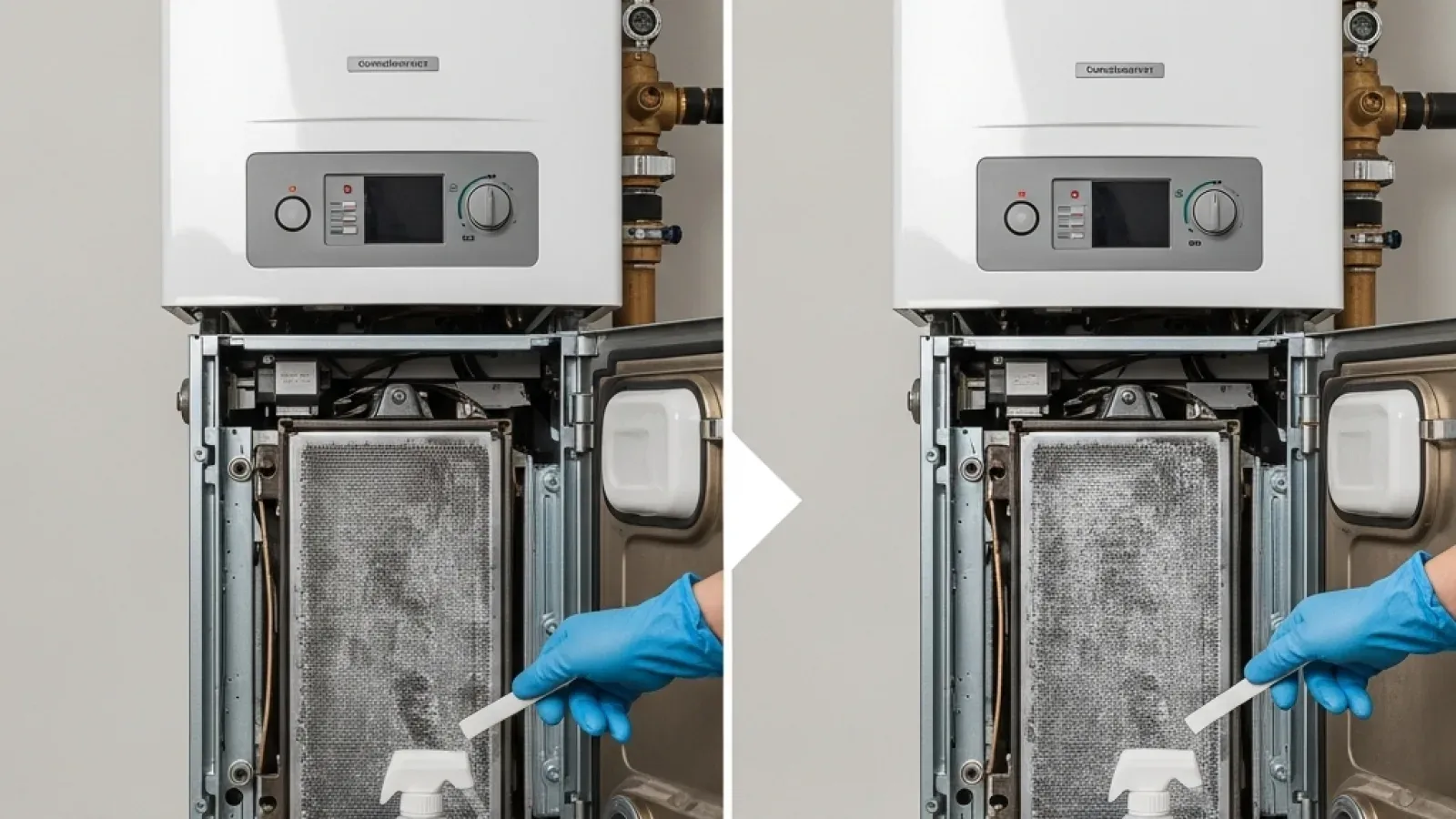
The most common option is a boiler cleaner liquid. It’s poured directly into the system, usually through a radiator or filling loop. The liquid circulates with the water, breaking down deposits and loosening sludge.
Some liquids are designed for quick cleaning, while others are left in the system for weeks before flushing. It depends on the product.
A tip I learned: always check Compatibility with your boiler type. Some cleaners are fine for combi boilers, others are better for traditional systems.
Boiler Cleaner and Inhibitor
Cleaning is one part of the job. Preventing future buildup is the other. That’s where a boiler cleaner and inhibitor comes in.
An inhibitor is added after cleaning. It coats the inside of pipes and radiators, slowing down corrosion and limescale. Think of it as a protective layer.
I’ve found that using an inhibitor makes a noticeable difference. Radiators stay hotter for longer, and the system feels smoother. It’s not a miracle cure, but it helps.
Central Heating Cleaner
Sometimes people use the term central heating cleaner instead of boiler cleaner. They’re basically talking about the same thing. The cleaner circulates through the whole heating system, not just the boiler itself.
Central heating cleaners are especially useful if you’ve just installed new radiators or replaced parts. They flush out debris that might otherwise clog things up.
Best Boiler Cleaner: What to Look For
So, what’s the best boiler cleaner? Honestly, it depends on your situation.
Things to Consider
- Strength: Some cleaners are aggressive, designed for heavy sludge. Others are gentler.
- Ease of use: Liquids are straightforward, powders less so.
- Time: Quick cleaners work in hours, long-term ones circulate for weeks.
- Aftercare: Always follow up with an inhibitor.
I’ve tried a few brands over the years. Some worked faster, others felt more thorough. There isn’t a single winner, but there are reliable names.
Sentinel Boiler Cleaner
One of the most recognized products is the Sentinel boiler cleaner. Sentinel has a range of cleaners and inhibitors, often recommended by heating engineers.
Their cleaners are designed to tackle sludge without damaging the system. I’ve used Sentinel before, and it did the job. Radiators that were half-cold warmed up again after flushing.
It’s not the cheapest option, but it’s trusted. That counts for something.
Boiler Cleaner Screwfix
If you’re looking for convenience, boiler cleaner Screwfix is a common search. Screwfix stocks several brands, including Sentinel and Fernox.
The advantage of buying from Screwfix is accessibility. You don’t need to hunt down specialist suppliers. Plus, their website often has reviews from everyday users, which can be more helpful than technical specs.
How to Use Boiler Cleaners
Here’s a simplified version of the process I’ve followed:
- Add the cleaner: Pour into the system via a radiator or filling loop.
- Run the heating: Let it circulate for hours or days, depending on instructions.
- Flush the system: Drain the water, removing loosened sludge.
- Refill with inhibitor: Protects against future buildup.
It sounds straightforward, but the flushing part can be messy. I once underestimated how much dirty water would come out—it was black and thick. Having buckets ready is a must.
Signs You Need a Cleaner
Not sure if your system needs attention? Look for these signs:
- Radiators take ages to heat.
- Uneven warmth across the house.
- Boiler making strange noises.
- Water discolouration when bleeding radiators.
If you notice any of these, a central heating cleaner might help.
DIY vs. Professional Cleaning
You can add cleaners yourself, but full system flushing is often done by professionals. They use power flush machines that push water through at high speed.
I tried a DIY flush once. It worked, but not as thoroughly as a professional job. If your system is heavily clogged, calling an engineer might be worth it.
Personal Observations
One thing I’ve noticed: cleaning isn’t a one-time fix. It’s maintenance. Using a boiler cleaner liquid every few years, plus keeping inhibitor in the system, keeps things running smoothly.
Skipping maintenance usually means bigger problems later. I learned that the hard way when a clogged system led to a pump failure.
Balancing Cost and Value
Boiler cleaners aren’t expensive compared to repairs. A bottle of cleaner might cost £15–£30. An inhibitor is similar. A professional flush, though, can run into hundreds.
I see cleaners as preventative care. Spending a little now saves a lot later.
Final Thoughts
Boilers are easy to ignore until they misbehave. Using a boiler cleaner—whether it’s a quick liquid, a central heating cleaner, or a trusted brand like Sentinel boiler cleaner—helps keep the system healthy.
If you’re shopping, places like boiler cleaner Screwfix make it easy to find options. Just remember: clean, flush, and protect with an inhibitor.
It’s not glamorous work, but it makes a difference. Warm radiators, lower bills, fewer breakdowns. And honestly, peace of mind when winter hits.