






Cleaning aluminum isn’t glamorous, but it’s one of those jobs that makes a huge difference once it’s done. Whether you’re dealing with dull wheels, boat fittings, or even industrial equipment, aluminum tends to lose its shine over time. Oxidation, grime, and just everyday exposure to the elements can leave it looking tired. That’s where an aluminum cleaner and brightener comes in.
Table Of Content
- Why Aluminum Needs Special Care
- What an Aluminum Cleaner and Brightener Actually Does
- Choosing the Best Aluminum Cleaner and Brightener
- Things to Consider
- Aluminium Cleaner SCREWFIX
- Aluminium Brightener UK Options
- Using Aluminum Cleaner Acid Safely
- Aluminum Cleaner and Brightener Near Me
- Step-by-Step: How I Usually Clean Aluminum
- When to Avoid Strong Cleaners
- Alternatives to Chemical Brighteners
- The Balance Between Shine and Safety
- Final Thoughts
I’ve used a few different products over the years, and while none of them are magic potions, the right one can save you hours of scrubbing. This guide is going to walk through what these cleaners do, how they’re used, and some thoughts on choosing the best option depending on where you live and what you’re cleaning.
Why Aluminum Needs Special Care
Aluminum is lightweight, durable, and resistant to rust. That’s why it’s everywhere—from car parts to kitchen gear. But it has one weakness: oxidation. Instead of rusting like steel, aluminum develops a dull, chalky layer.
That layer isn’t harmful, but it looks bad. And if you’re working with something like polished wheels or decorative trim, appearance matters.
I’ve noticed that once aluminum starts to dull, regular soap and water don’t cut it. You can scrub all day and it still looks cloudy. That’s when you need something stronger, like an aluminum cleaner acid formula or a dedicated brightener.
What an Aluminum Cleaner and Brightener Actually Does
Most products marketed as aluminum cleaners use a mix of acids and detergents. Don’t let the word “acid” scare you—it’s controlled and diluted. The idea is to break down oxidation and stains, then lift them off the surface.
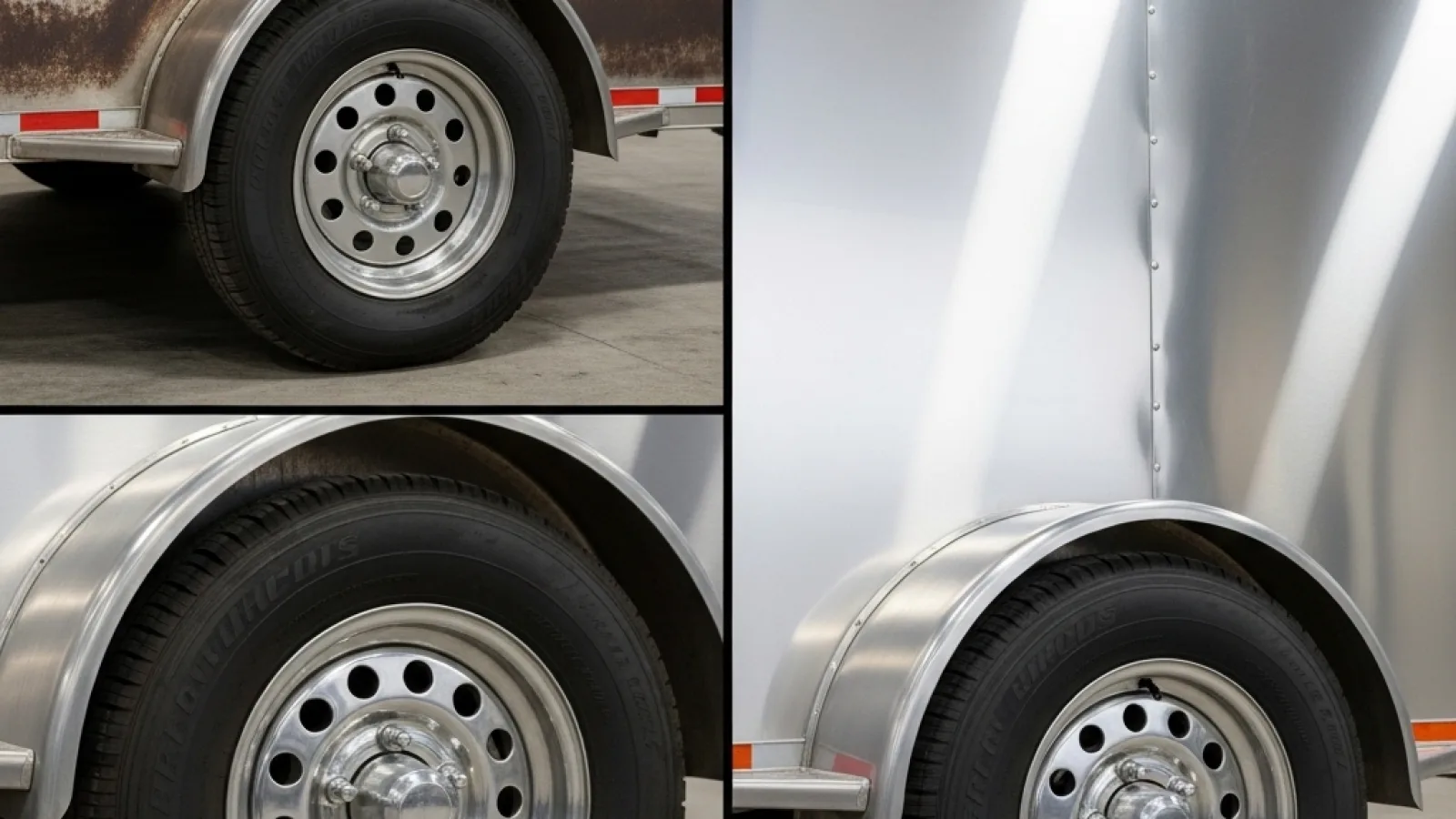
When applied correctly, the cleaner reacts with the dull layer and leaves behind a brighter finish. Some even restore a near-polished look.
But here’s the catch: you have to use them carefully. Too much product, or leaving it on too long, can etch the surface. I learned that the hard way once when I left a cleaner sitting on a trailer rim. It came out blotchy. Lesson learned—always follow the instructions.
Choosing the Best Aluminum Cleaner and Brightener
There isn’t a single “best” product for everyone. The best aluminum cleaner and brightener depends on what you’re cleaning, how often you’ll use it, and whether you care more about shine or protection.
Things to Consider
- Strength: Acid-based cleaners work fast but can be harsh.
- Ease of use: Some come ready to spray, others need dilution.
- Safety: Gloves and eye protection are a must with stronger formulas.
- Availability: If you’re in the UK, you’ll see different brands than in the US.
I’ve tried a few that were labeled “professional strength.” They worked great on industrial parts but felt overkill for household use. On the other hand, lighter cleaners sometimes need multiple applications.
Aluminium Cleaner SCREWFIX
If you’re in the UK, you’ve probably seen Aluminium Cleaner SCREWFIX listed online or in stores. Screwfix is known for practical, no-nonsense products. Their aluminum cleaner is usually aimed at tradespeople—think builders, mechanics, or anyone dealing with metal surfaces regularly.
From what I’ve heard, it’s effective but not fancy. No glossy packaging, just a straightforward product that does the job. That’s kind of the Screwfix style.
Aluminium Brightener UK Options
For those searching specifically for aluminium brightener UK, there are a handful of brands that pop up often. Some are marketed toward car enthusiasts, others toward marine use. Boats, in particular, take a beating from saltwater, so brighteners designed for that environment tend to be stronger.
I’ve seen people debate which is the best aluminium cleaner UK, and honestly, it comes down to preference. Some swear by acid-based formulas, while others prefer gentler cleaners that take longer but feel safer.

Using Aluminum Cleaner Acid Safely
Let’s talk about the acid part. Aluminium cleaner acid products are powerful. They usually contain phosphoric or hydrofluoric acid. These chemicals cut through oxidation quickly, but they’re not something you want on your skin.
Tips I’ve picked up:
- Always wear gloves.
- Don’t use them indoors without ventilation.
- Rinse thoroughly after application.
- Test on a small area first.
I once used an acid cleaner on a set of old alloy wheels. The shine came back, but I had to be careful not to let it sit too long. A quick spray, light scrub, and rinse worked best.
Aluminum Cleaner and Brightener Near Me
If you’re searching for aluminum cleaner and brightener near me, you’ll probably find a mix of auto shops, hardware stores, and online retailers. Local availability matters because shipping chemicals can be expensive.
I’ve had better luck picking up cleaners at automotive supply stores. They usually carry brands tailored for wheels and trim. Hardware stores lean more toward industrial products.
Step-by-Step: How I Usually Clean Aluminum
Here’s my typical routine when I tackle aluminum surfaces:
- Rinse first: Get rid of loose dirt.
- Apply cleaner: Spray or wipe on, depending on the product.
- Wait briefly: Usually 30 seconds to a minute.
- Scrub lightly: Use a soft brush or cloth.
- Rinse thoroughly: Don’t leave residue.
- Dry: Prevent water spots.
It’s not complicated, but patience helps. Rushing usually leads to streaks or uneven shine.
When to Avoid Strong Cleaners
Not every aluminum surface needs an acid-based cleaner. For example, anodized aluminum has a protective coating. Using harsh chemicals can damage it. Same goes for cookware—stick to gentler cleaners there.
I once tried a brightener on an anodized bike frame. Big mistake. The finish dulled instead of shining. That’s why it’s worth checking what type of aluminum you’re dealing with before grabbing the strongest product.
Alternatives to Chemical Brighteners
Some people prefer natural methods. Vinegar and lemon juice are mild acids that can clean aluminum, though they’re slower. Baking soda paste works for light stains.
I’ve tried vinegar on small kitchen items. It worked, but it took more scrubbing than a commercial cleaner. For big jobs, I still lean toward specialized products.
The Balance Between Shine and Safety
The tricky part is balancing effectiveness with safety. The best aluminum cleaner and brightener for one person might feel too harsh for another.
If you’re cleaning car wheels every month, a strong acid cleaner might be fine. If you’re just polishing a decorative piece once a year, a gentler option makes more sense.
Final Thoughts
Aluminum is everywhere, and keeping it bright takes effort. Whether you’re searching for aluminium brightener UK, checking out Aluminium Cleaner SCREWFIX, or just typing “aluminum cleaner and brightener near me” into Google, the key is finding a product that matches your needs.
I don’t think there’s a single perfect cleaner. Some are fast, some are safe, some are cheap. The best choice depends on what you’re cleaning and how much effort you want to put in.
Personally, I keep one strong cleaner for tough jobs and a mild one for everyday use. That way I don’t risk damaging delicate surfaces but still have something powerful when I need it.
At the end of the day, aluminum cleaning isn’t complicated—it’s just about knowing your options, using them carefully, and accepting that sometimes “good enough” is fine. A little shine goes a long way.